Convict Cichlid Care: Tough, Feisty, and Fascinating
General information
Convict Cichlid is a compact, charismatic freshwater fish that has earned a reputation as one of the most adaptable and opinionated species an aquarist can keep. You will notice that this fish is not shy: it defends territory, investigates every corner of the tank, and pairs for life under the right conditions. Originating from Central America, the Convict Cichlid combines ease of care with surprising behavioral complexity, making it a favored subject for hobbyists who enjoy watching personality-driven fish.
Many aquarists appreciate the Convict Cichlid for its hardiness and predictable breeding, which make it a useful species for learning about cichlid behavior and parental care. Despite being labeled “aggressive” in some forums, this fish’s temperament is often straightforward: provide adequate space, strong hiding places, and careful tankmate selection, and the challenges become manageable. Detailed attention to substrate, flow, and social setup will reduce conflict and keep coloration strong.
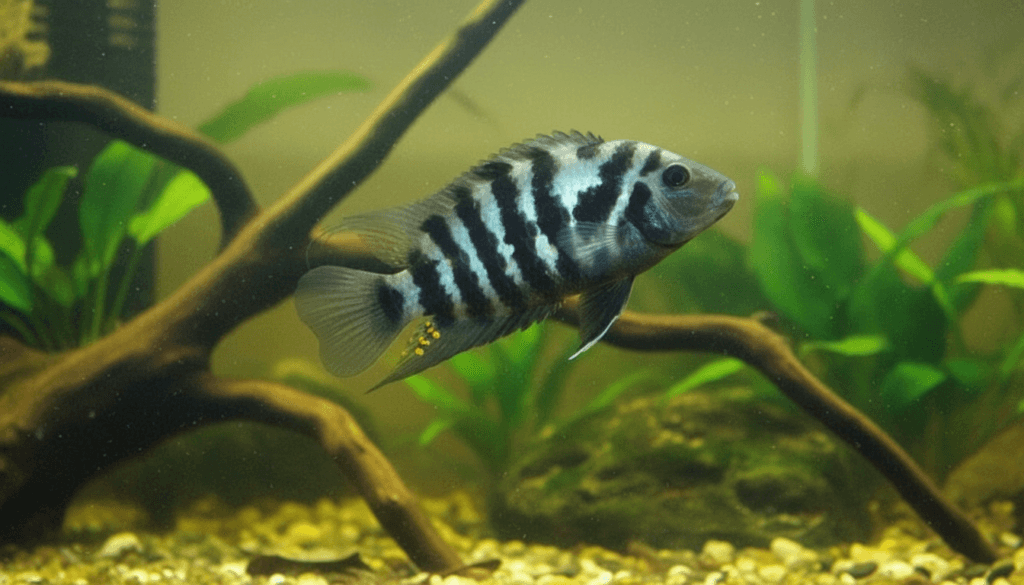
Unusual facts: Convict Cichlid has been used in studies of territoriality and mate choice because of its conspicuous banding and bold displays. Some captive-bred lines show muted bands or a “white convict” morph; wild-type specimens, however, display the classic black vertical bars that are so recognizable. Also notable: this species tolerates a range of water chemistries and even slight brackish conditions for short periods, which explains its success in diverse habitats across Central America.
Appearance
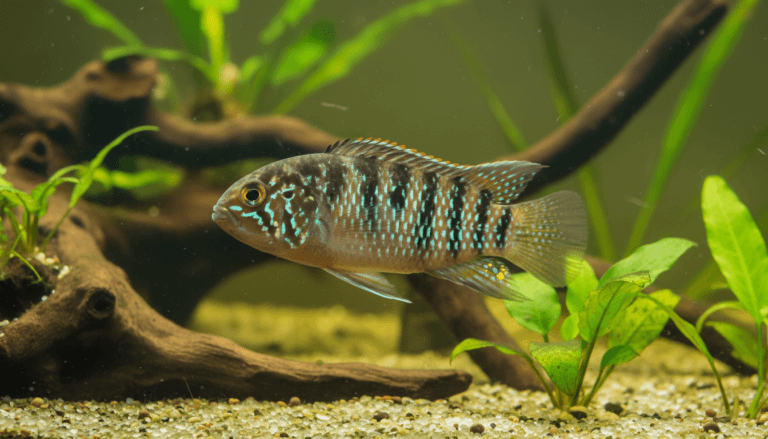
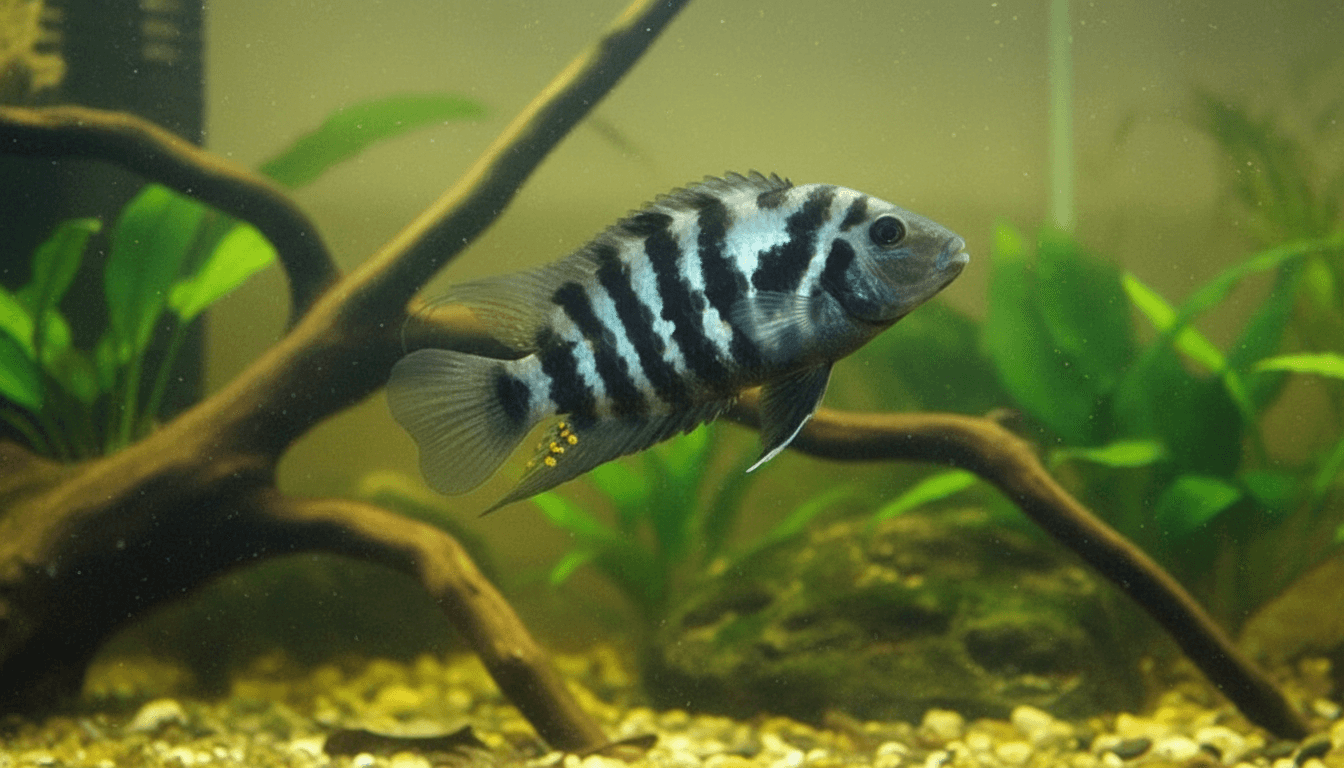
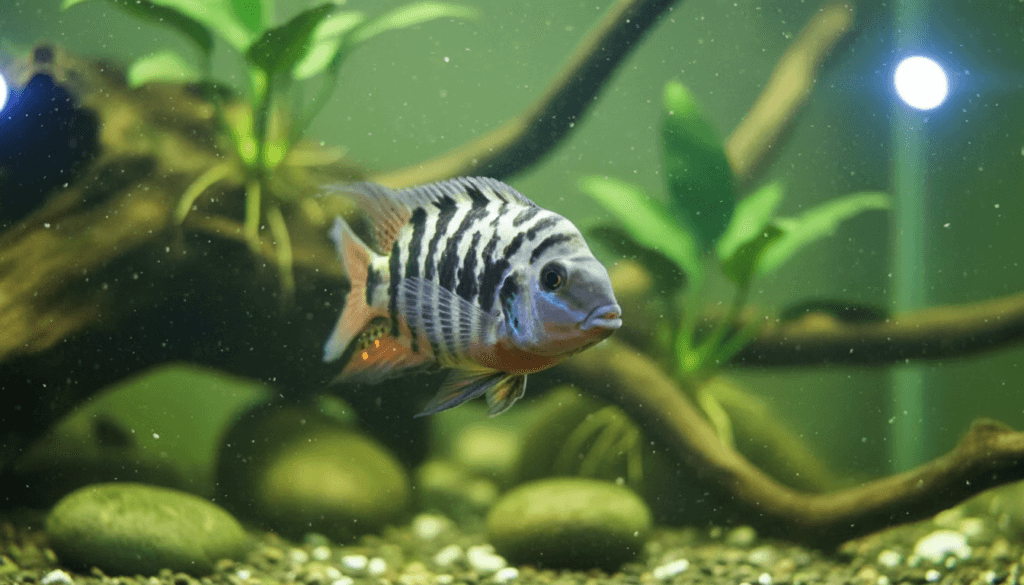
The standard Convict Cichlid shows a silver-gray body marked by 6–8 vertical black bars. Sexual dimorphism is present but subtle: males often grow larger, develop elongated dorsal and anal fin tips, and may show a faint nuchal hump when dominant. Females frequently develop a pink to reddish belly during spawning, a color change useful for sexing if paired with size differences. Juveniles display intense vertical bars that may fade slightly with age in some captive strains.
Color variants include albino and melanic forms bred in captivity, as well as the smaller, heavily barred and later-named Amphilophus species sometimes confused with true Convict Cichlid. Scale texture is typical for cichlids—robust and slightly rough to the touch—which helps this species tolerate accidental substrate shifting. Eye placement and jaw structure lend a purposeful, almost investigative look as these fish sift sand and rearrange pebbles.
Habitat
In nature, Convict Cichlid inhabit rocky lakes, streams, and river margins with moderate flow and a mixture of sand and gravel. They favor areas with crevices and broken rock where juveniles can hide and adults can claim a nest. Seasonal shifts in water level influence their breeding cycles in the wild; in captivity, providing plenty of shelter and stable water encourages spawning year-round.
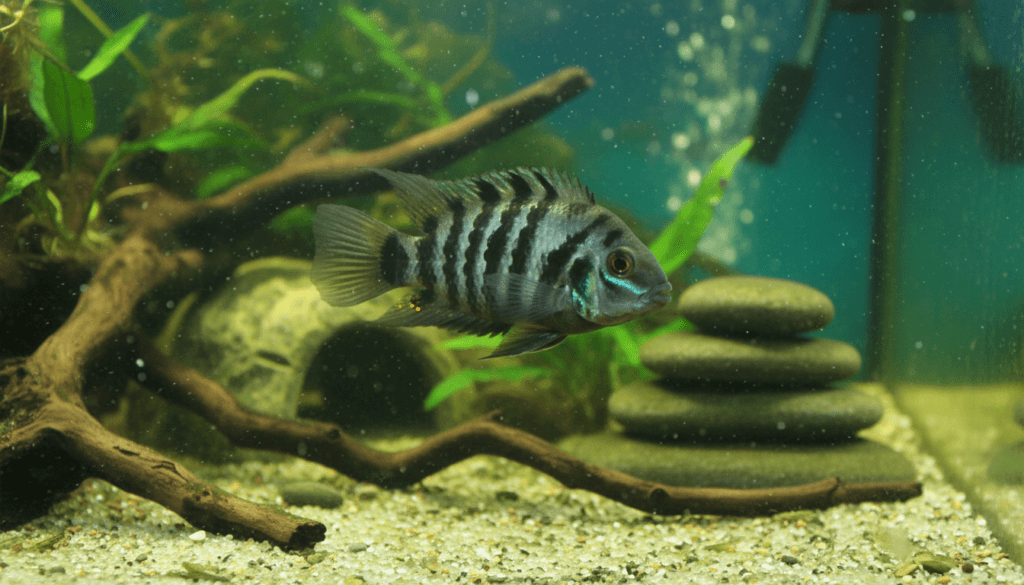
Replicating natural habitat in the aquarium means mimicking rock gardens, caves, and thin layers of leaf litter where possible. Gravel or sand substrates allow natural digging and nest building. In rivers with clearer water, subdued lighting and taller plants in the background are common features; in murkier margins, trunks and leaves create tannin-rich microhabitats that Convict Cichlid readily use.
Сare and maintenance
Water parameters
Temperature: 24–28°C (75–82°F). pH: 6.5–8.0 with a neutral range around 7.0 preferred for stable coloration. General hardness (GH): 5–15 dGH. Convict Cichlid tolerate variations but sudden swings in pH or temperature stress them quickly. Soft, slightly acidic water can be acclimated to gradually if replicating a specific biotope, but most hobbyists find stable, neutral conditions easiest for day-to-day care.
Tank size
Minimum volume: 75 liters (20 gallons) for a single adult pair; 150 liters (40 gallons) recommended for community setups or multiple pairs. Length-over-height recommendation: prioritize length—a tank at least 90 cm (36 inches) long and roughly 45 cm (18 inches) tall gives room for territories and chasing without causing constant stress. Taller tanks can be used but provide horizontal room for dominance displays.
Filtration and water flow
Filter type: canister filters or hang-on-back filters with mechanical and biological stages are ideal. Sponge filters are beneficial in breeding setups to protect fry. Preferred flow intensity: moderate; avoid brutal currents. Convict Cichlid appreciate oxygenated water but will become agitated in high-velocity flows that remove their ability to control territory near cave entrances.
Substrate and decor
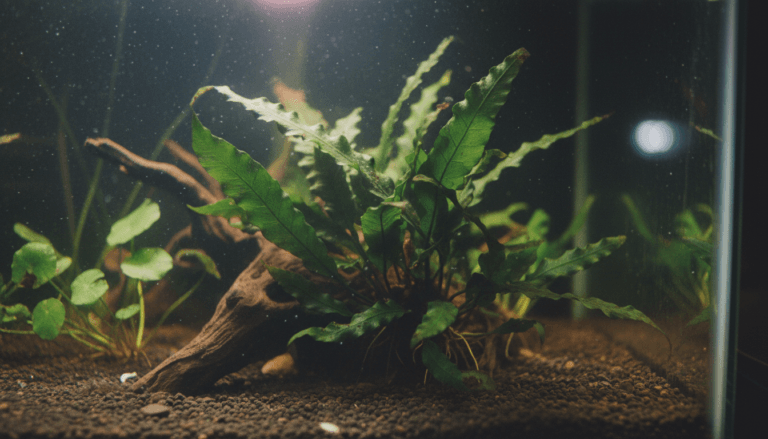
Substrate type: sand or fine gravel, as they love to dig. Driftwood and rocks: provide stable rockwork and interlocking stones for caves and crevices; secure stacks to prevent collapse during digging. Plants: hardy species like Java fern, Anubias, and Vallisneria can be attached to rock or wood, while potted stem plants survive if protected in heavier pots. Leaf litter: blackwater-style leaves create beneficial tannins and microfauna for fry; add oak or Indian almond leaves sparingly for a natural touch.
Lighting
Intensity: low to moderate. Duration: 8–10 hours daily to mimic natural daylight cycles. Shade: provide shaded areas with overhangs and dense rockwork; prolonged bright lighting increases stress and may intensify territorial displays. Use dimming timers or plant tall background species to create relief from direct light.
Water changes
Frequency: 20–30% weekly in established systems. In heavily stocked tanks or during breeding, increase to 30–40% weekly to maintain water quality. When performing large changes, match temperature and pH closely to avoid shock; slow partials are safer than sudden full changes.
Lid or cover
Convict Cichlid rarely jump but will bolt during aggressive displays or if startled. A tight-fitting lid with small ventilation gaps is recommended to prevent escapes and to stabilize humidity and light. Secure lids also keep cats, curious children, and debris out of the aquarium.
Social behavior and group size
Minimum group size: for observation, keeping one pair is common. Social structure: territorial and monogamous during breeding; communal juveniles can be kept in groups if tank size allows. When housing multiple adults, provide separate territories with rock partitions and hideouts. A single male with staggered female territories often reduces constant conflict but careful monitoring is required.
Additional behavioral care tips
Provide multiple identical caves to reduce conflict over prized shelters; consider “mirror caves” where the layout is symmetrical so two pairs can establish adjacent territories without continuous invasions. Monitor for scale-nipping after feeding times—separate injured fish promptly. Rotate decorations periodically to prevent permanent territorial monopolies and to re-establish hierarchy without physical harm.
Compatibility
Convict Cichlid compatibility hinges on size, temperament, and tank arrangement. Suitable tankmates are robust, similarly sized Central American cichlids that can hold their own and occupy different water columns—examples include Firemouths and certain medium-sized Herichthys. Avoid small schooling fish that can be harrassed or large, hyper-aggressive species that will escalate fights to dangerous levels.
Community tanks require careful planning: provide escape routes, multiple caves, and thick midground planting to reduce line-of-sight aggression. Avoid slow-moving, long-finned species that attract nips. When introducing tankmates, quarantine and acclimate slowly, and expect increased territoriality during breeding periods. If an experiment in mixed-species keeping is attempted, have a separate tank ready for injured or stressed individuals.
Feeding the Convict Cichlid
Convict Cichlid are omnivores with a hearty appetite and a tendency to excavate for food. Offer a base diet of high-quality sinking pellets or granules designed for omnivorous cichlids. Supplement with live and frozen foods such as bloodworms, brine shrimp, and daphnia twice weekly to encourage color and condition. Include vegetable matter: blanched spinach, spirulina flakes, and shelled peas will reduce the risk of soft-tissue issues and provide essential fiber.
Feeding schedule: two small feedings per day rather than one large meal helps maintain water quality and reduces aggression associated with rushed feeding. During breeding, increase protein slightly to support egg production and fry development, but avoid overfeeding—excess food quickly degrades water quality and can trigger aggression around piles of uneaten food.
Unusual feeding tip: place food inside cave entrances to train pairs to feed safely away from high-traffic zones; this reduces competition and encourages natural foraging behaviors. Also, occasionally offering live snail treats can satisfy the species’ tendency to pick at hard surfaces, though caution is advised as some snails can carry parasites.
Reproduction
Breeding Convict Cichlid is straightforward for hobbyists who maintain stable water and provide appropriate substrates. Pairs clean a flat rock or excavate a shallow pit for spawning. Eggs are adhesive and laid in clusters; both parents typically guard eggs and fry aggressively. Expect 100–400 eggs per spawn depending on female size and diet quality.
To encourage breeding, slightly raise temperature to the upper part of the preferred range (around 27–28°C/80–82°F) and increase feeding with high-protein foods for several weeks prior to conditioning. Offer multiple cave choices and flat stones to let the pair select a preferred site; once the site is chosen, minimize disturbances. After hatching, parents shepherd fry to prepared pits and may move them to multiple hideouts—observe without interfering unless severe stress or injury occurs.
If raising fry artificially, remove eggs or fry to a separate rearing tank with sponge filtration to avoid parental agitation during transport; however, note that parental care in Convict Cichlid is effective and often results in higher fry survival when left intact. When fry reach about 1–2 cm, gradually introduce finely crushed flakes and newly hatched brine shrimp, increasing portion sizes as they grow.
Reproductive note: hybrids occur in mixed-species tanks; to preserve pure lines, separate similar cichlid species during breeding. Also, sexing becomes easier after the first spawn—males often remain larger and develop broader heads, whereas females retain deeper bodies and brighter belly coloration while guarding fry.