Top 10 African Cichlid Species for Home Aquariums
Introduction
If you’ve spent any time wandering the hobby forums or staring into a well-lit fish store, you’ve probably been seduced by the colors and drama of African cichlids. These rock-dwelling dynamos carry personality, color, and behavior in spades, and in this guide I’ll introduce ten species that have earned a permanent place in my tanks over the years. Along the way I’ll share practical tips, oddball facts, and personal observations that aren’t in the quick-reference sheets. Whether you’re a seasoned cichlid wrangler or curious about your first aggressive community, African cichlids reward effort with stunning displays and fascinating social dynamics.
Why African cichlids are irresistible
African cichlids evolved in the rift lakes — Malawi, Tanganyika, and Victoria — environments that shaped bold coloration, strong territorial instincts, and intricate breeding behaviors. The term “African cichlids” covers a wide ecological range, from small peacocks that look like living neon signs to stoic shell-dwellers that behave like miniature knights on patrol. In my experience, the key to success is matching species temperament, tank architecture, and water chemistry. Get those three right and you’ll have a living art installation that’s equal parts behavior study and aquarium therapy.
Top 10 African cichlids to keep
Below are ten species I recommend, listed with their quirks, minimum tank sizes, recommended tankmates, and a few unusual facts I’ve picked up by keeping and observing them over the years.
- Pseudotropheus socolofi (Socolofi Mbuna)Minimum tank: 30–40 gallons. These energetic mbuna are modestly colored compared to some peacocks, but they’re fantastic community builders in rock-heavy setups. They’re best kept with other mbuna-size fish and will spare plants if you give them plenty of rocks. A personal tip: provide flat stones for territory markers — they’ll use them like tiny plazas to display.

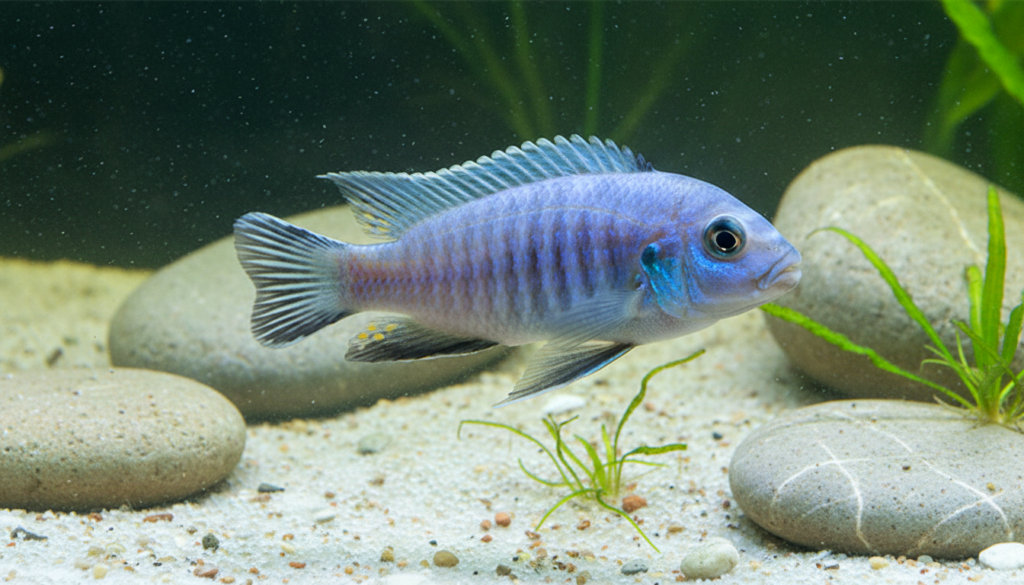
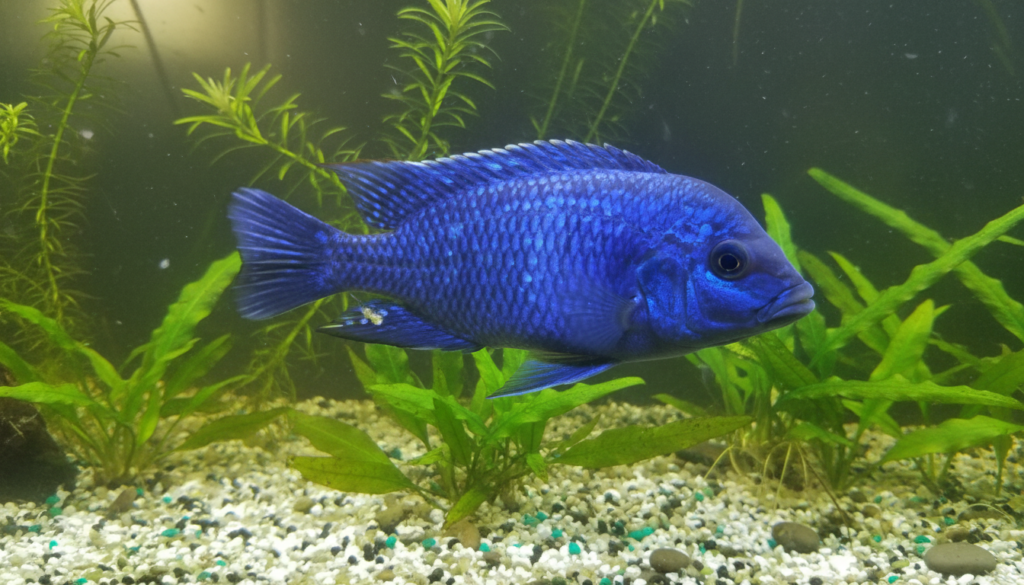
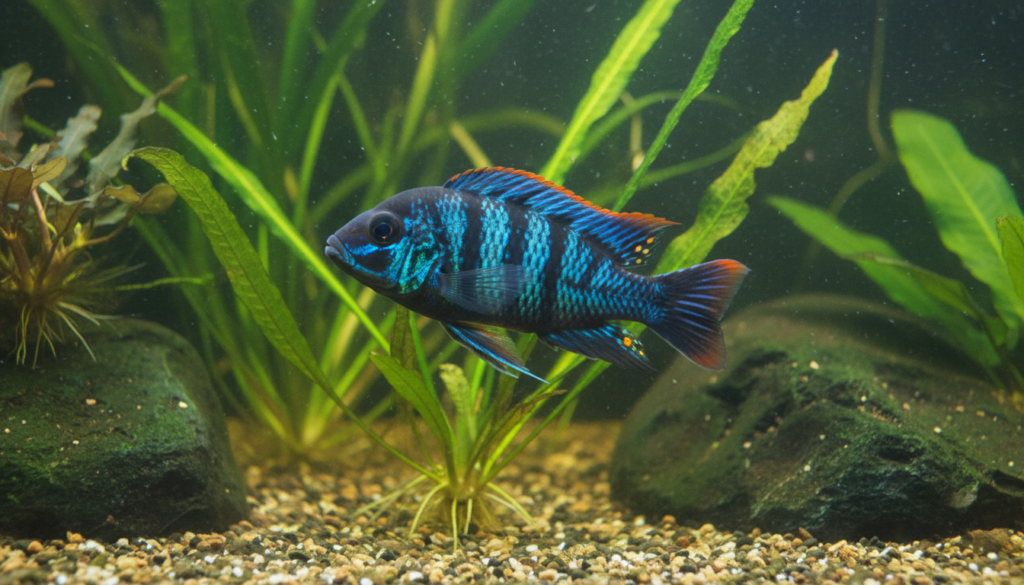
- Aulonocara (Peacock cichlids)Minimum tank: 55+ gallons. Aulonocara species are famous for luminous males and comparatively peaceful temperaments. They prefer sandy substrates and scattered caves rather than dense rockwork. I’ve found that pairing them with calmer mbuna or larger Haps reduces constant squabbling. An interesting note: peacocks are visual feeders and will learn to take food from your fingers if you’re patient.
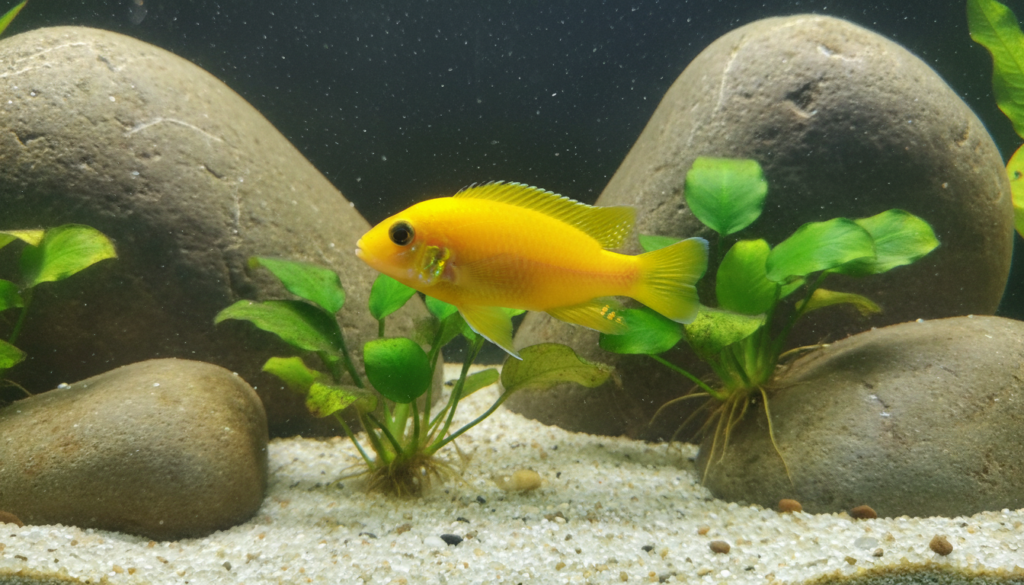
- Labidochromis caeruleus (Electric Yellow)Minimum tank: 30–40 gallons. This delightful yellow mbuna is small, hardy, and often recommended for beginners. They can be surprisingly bold and will explore every crevice. My wife’s favorite trick with electric yellows was dropping a floating leaf of romaine — they treated it like a forage patch and chased insects that landed on it.
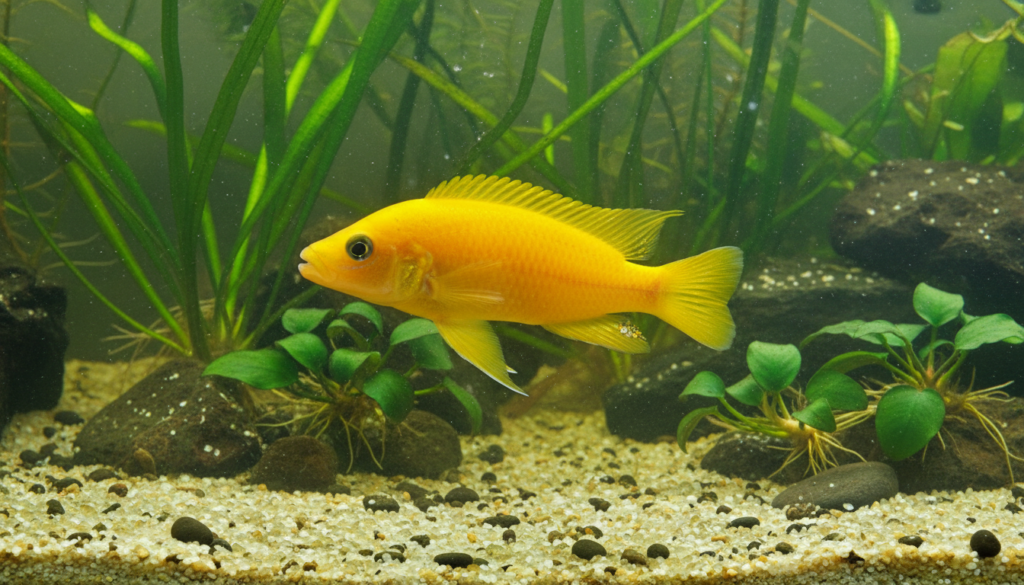
- Neolamprologus leleupi (Lemon Cichlid)Minimum tank: 30–40 gallons. From Lake Tanganyika, these lemon-hued fish are charismatic and territorial. They thrive with shells and broken pottery used as caves. I once watched a pair convert a discarded snail shell into an elaborate nursery — the male parked guard duty and the female shuttled fry like a proud ferry captain.
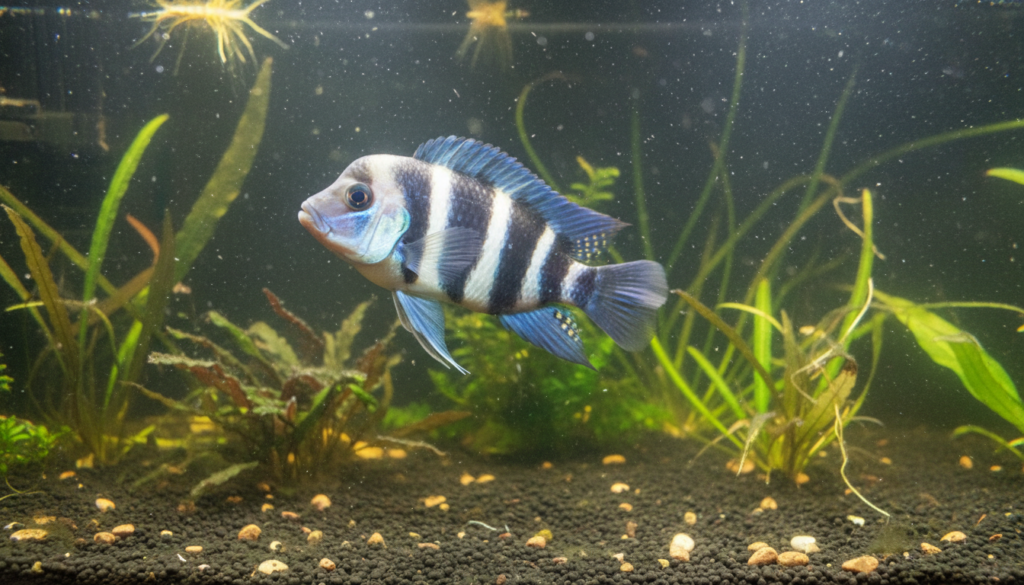
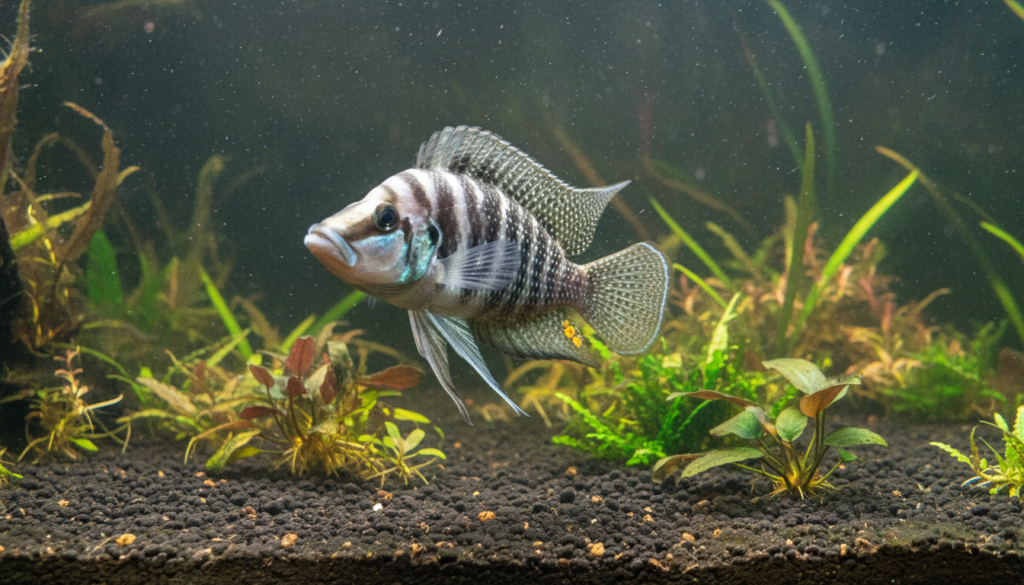
- Cyphotilapia frontosa (Frontosa)Minimum tank: 180+ gallons. Frontosas are slow-moving, deep-bodied giants from Lake Tanganyika. They prefer stable, cool-ish water and larger groups to establish a clear hierarchy. I keep mine in dimmer lighting with tall rock formations; they seem to appreciate shaded crevices where they can stage ambushes on sinking pellets.
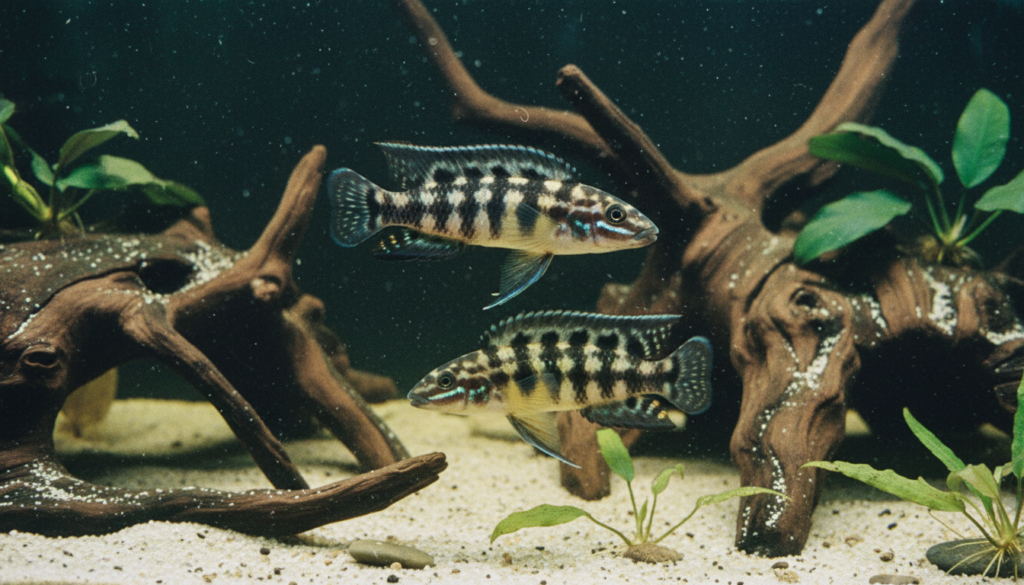
- Julidochromis (Julies)Minimum tank: 20–30 gallons for pairs. These slender, stripey Tanganyika natives form lifelong bonds and display fascinating pair-bonding behaviors. Their body shape allows them to dart through narrow fissures in rock. A practical tip: secure rock stacks well — Julies are industrious and will rearrange unstable piles searching for tighter crevices.
- Placidochromis phenochilus (Phenochilus)Minimum tank: 75+ gallons. Less common than peacocks, this open-water predator has subtle coloration and a calm demeanor. It prefers a mix of rock and open swimming space. I appreciate phenochilus for adding a different movement dynamic — they patrol like silent officers, breaking up the frantic energy of smaller mbuna.
- Altolamprologus calvusMinimum tank: 55–75 gallons. A sculpted, laterally-compressed Tanganyikan with interesting hunting behavior — they’ll wedge themselves between rocks and snap at passing prey. They can coexist with Julies and small Haps if space and caves are ample. Fun fact: their body shape seems built for working crevices like a tiny guillotine.
- Tropheus mooriiMinimum tank: 90+ gallons. Tropheus feed constantly and have a very particular social structure; they can be aggressive if overcrowded or kept in mixed feeding groups. They respond well to a strict herbivorous diet and slow water changes to keep levels stable. I treat Tropheus tanks almost like a separate mini-ecosystem due to their unique needs.
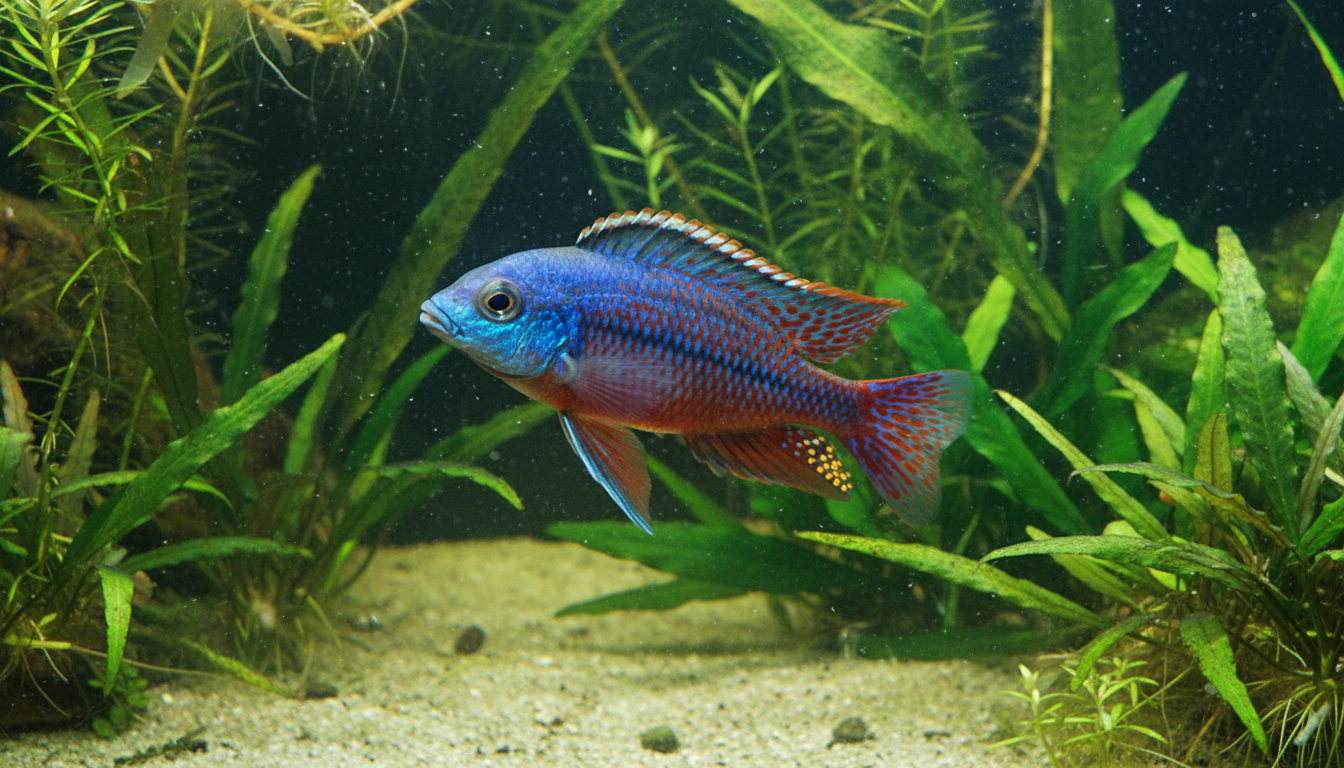
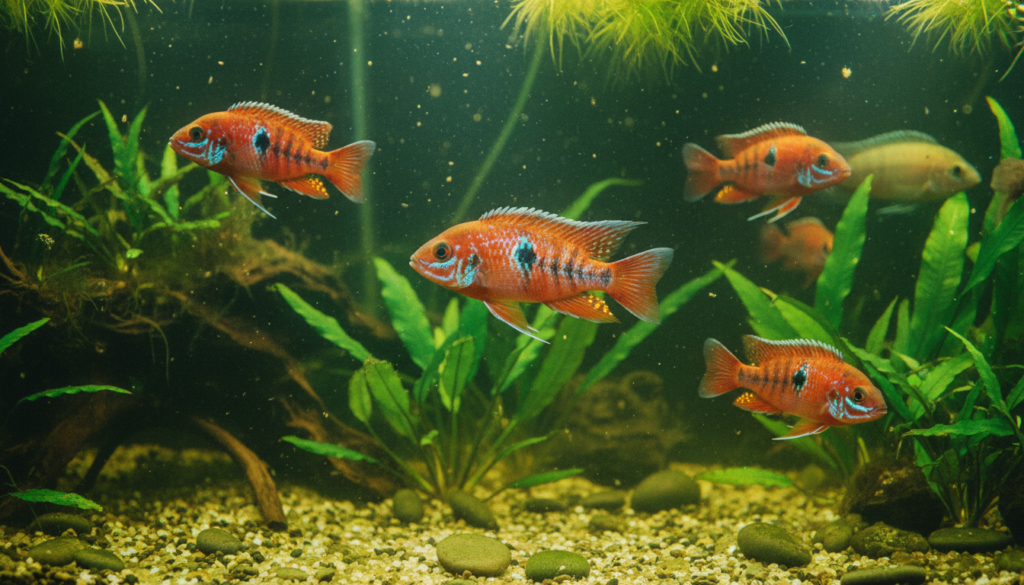
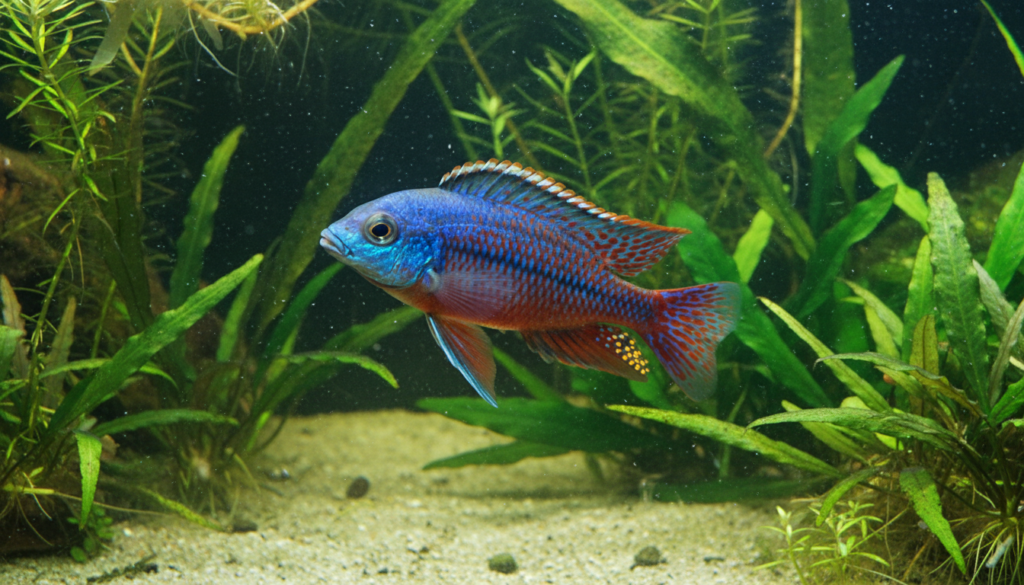
- Protomelas taeniolatus (Red Empress)Minimum tank: 55–75 gallons. A versatile Malawi cichlid with rich red and blue hues in males. They’re adaptable to different aquascapes and can be more forgiving around plants. Red Empress are great for hobbyists who want a dramatic centerpiece without the extreme territoriality of some mbuna.
Habitat and tank setup for African cichlids
Setting up a tank for African cichlids is as much about architecture as it is chemistry. Most Lake Malawi species prefer harder, alkaline water (pH 7.8–8.6) while Tanganyikan fish often want slightly warmer and very stable parameters. Hard substrate and crushed coral under the sand can help buffer pH, but I prefer large aragonite sand beds with rockwork that mimics natural fissures and overhangs. Rocks must be stacked securely — a toppled rock can crush a fish and ruin your hard work. Lighting can be moderate; too-bright light stresses shy species and fades the vivid colors of more sensitive peacocks.
Feeding, health, and compatibility
African cichlids span herbivores, omnivores, and carnivores. Species like Tropheus and many mbuna need mostly vegetable matter — spirulina flakes, algae wafers, and blanched veggies — while peacocks and larger Haps accept meaty fare like krill and mysis. Overfeeding is a common mistake; frequent small portions reduce aggression at feeding time and keep water cleaner. For health, maintain steady water changes, use a good mechanical and biological filter, and watch for typical cichlid ailments such as Malawi bloat; early detection and diet adjustment are often enough to avert escalation.
Breeding and behavior notes
One of the most entertaining aspects of African cichlids is their breeding behavior. Many are maternal mouthbrooders: females incubate eggs and fry in their mouths, cycling out for breaths and occasionally foraging. Shell-dwellers bury themselves in snail shells and raise fry inside guarded capsules. My favorite breeding memory is a peacock male that would perform tiny “shudders” to coax a female from her cave — a small choreography that felt like a secret handshake.
Equipment checklist
- Sturdy rockwork and hiding places
- Reliable filtration (canister or sump recommended)
- Heater and stable temperature control
- Aragonite sand or crushed coral for buffering
- Test kits for pH, ammonia, nitrite, nitrate
FAQ
- Q: Are African cichlids suitable for beginners?A: Many species like Labidochromis caeruleus are great for beginners, but success depends on tank size, water stability, and correct diet. Start with hardy mbuna or Aulonocara and avoid mixing overly aggressive species until you’re comfortable.
- Q: How many African cichlids can I keep in one tank?A: It depends on species and tank volume. Mbuna are territorial and do better in higher numbers in larger tanks to diffuse aggression (e.g., 10–15 in 75 gallons with plenty of rock), while frontosas and larger Haps need more space and fewer companions. Overcrowding is not a solution — strategic stocking and compatible groupings are key.
- Q: What water parameters suit African cichlids?A: Most Malawi species prefer pH 7.8–8.6, dGH 10–20+, and temperatures 24–28°C (75–82°F). Tanganyikan species often want slightly higher pH and very stable chemistry. Regular testing and gradual adjustments avoid shock.
- Q: Can African cichlids live with other tropical fish?A: Some community fish tolerate cichlids if sized and tempered appropriately, but many peaceful tetras or danios are bullied. It’s safer to mix within cichlid-compatible groups or choose robust companions like certain catfish and larger plecos that can handle a bit of heat.
Conclusion
African cichlids are a thrilling avenue for aquarists who appreciate color, behavior, and the challenge of crafting a mini-ecosystem. From rock-obsessed mbuna to regal frontosas, there’s a species suited to almost every tank size and temperament. My parting advice: research the specific habits of the species you’re interested in, prioritize stable water chemistry and secure aquascaping, and embrace the social storytelling these fish provide. Keep experimenting, take notes (I still do), and you’ll find a handful of African cichlids that feel like old friends in your living room.