Top 5 Acara Species Every Hobbyist Should Know
Introduction: Why acara species deserve your attention
If you’ve ever wandered the aisles of a fish store and paused at a display of chunky, expressive cichlids, chances are an acara species caught your eye. These fishes bridge the gap between bold color and manageable temperament, making them favorites of intermediate aquarists who want cichlid personality without extreme aggression. In this guide I’ll share hands-on observations, unusual facts, and practical tips that helped me keep and breed several acara species over the years. Whether you’re curious about tankmates, water chemistry, or the subtle differences between lookalikes, you’ll find the details here.
What makes acara species special?
Acara species (most commonly members of the genera Aequidens, Cleithracara, and Andinoacara) are versatile, often peaceful cichlids with interesting social behaviors. They flaunt a range of colors—from metallic blues to olive greens—and many are cooperative parents. Unlike hyper-territorial midas or flowerhorn cichlids, acara species tend to be more tolerant of tankmates, yet still exhibit the confident, curious demeanor that makes cichlids so addictive to keep.
Top 5 acara species in home aquariums
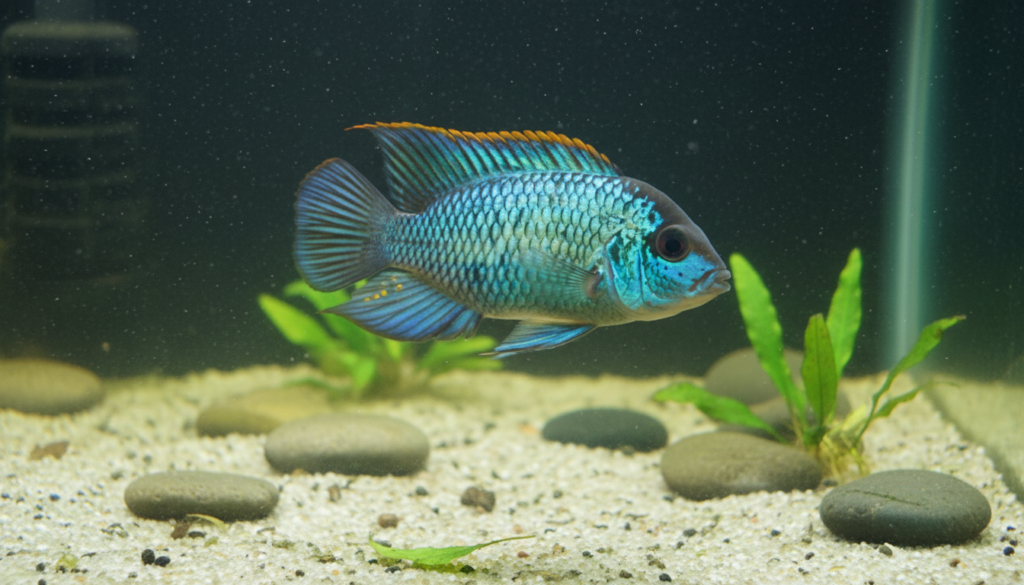
- Blue Acara (Andinoacara pulcher)
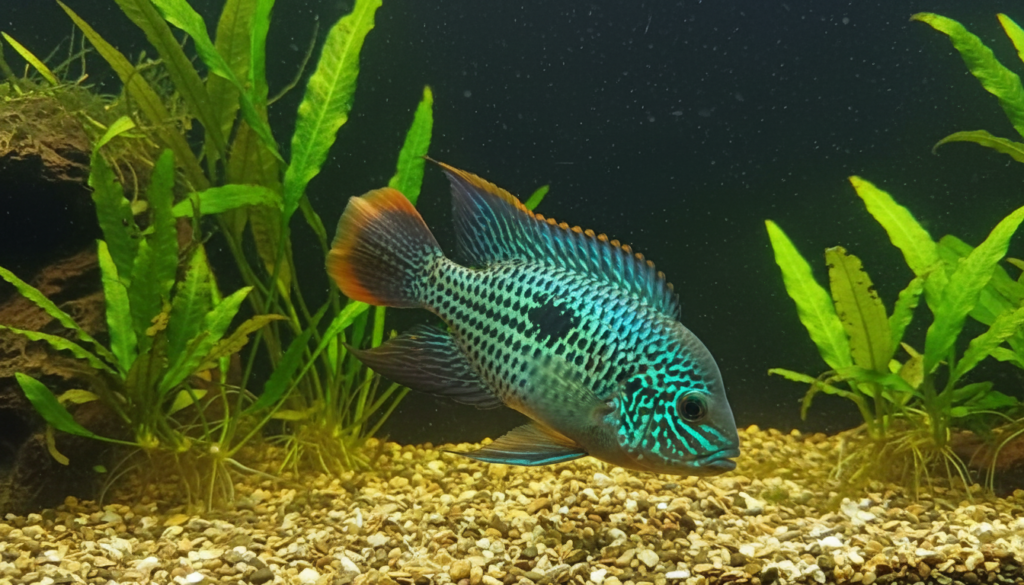
My first experience with acara species was a Blue Acara that learned to beg for food at the glass. They show stunning turquoise sheen under moderate lighting. Tank-wise, they appreciate a 30+ gallon setup, slightly acidic to neutral pH (6.5–7.5) and a sandy substrate. Keep them with peaceful bottom-dwellers like Corydoras and mid-sized tetras.

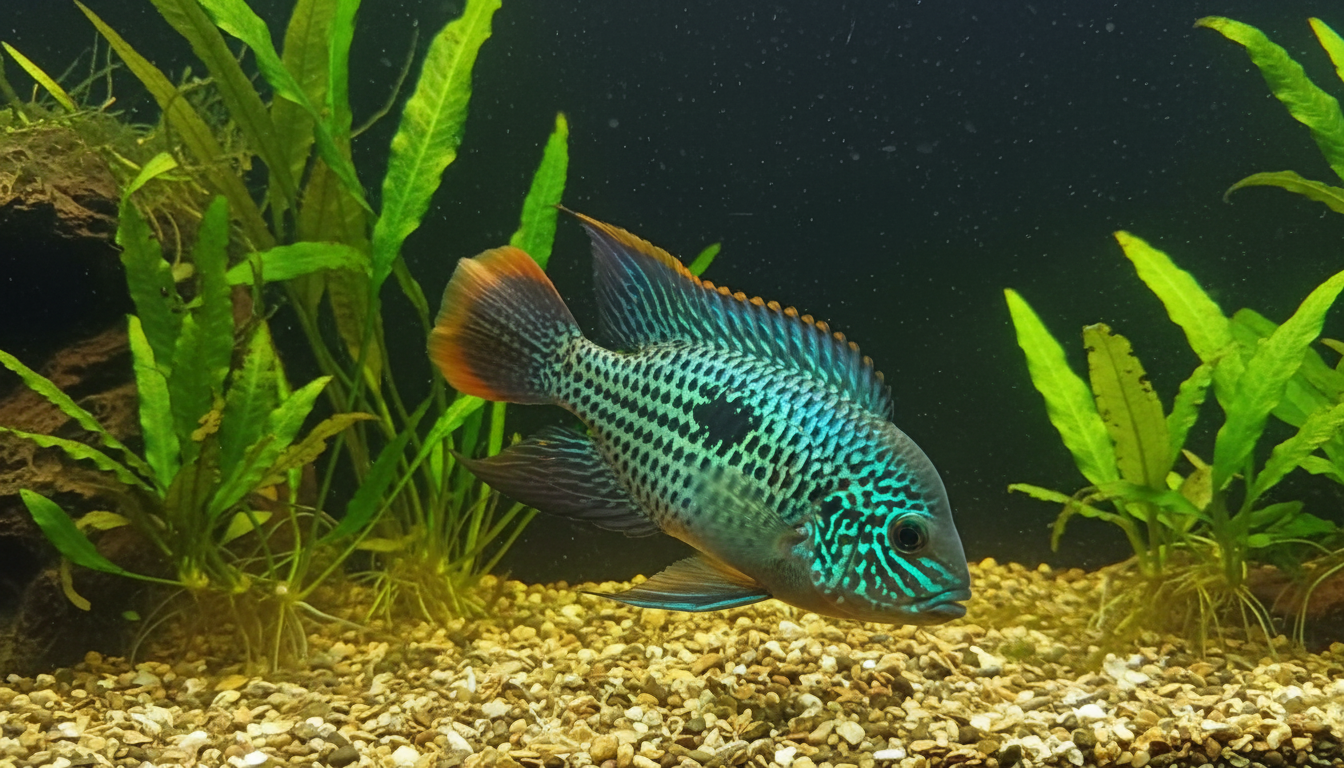
- Green Terror (Andinoacara rivulatus)
Despite its dramatic name, the Green Terror is manageable in a larger aquarium (75+ gallons) and grows robustly. It becomes more territorial during breeding, and males develop beautiful nuchal humps. I once watched a pair guard fry from a marauding group of platy juveniles—quite theatrical.
- Amazonia Acara (Aequidens pulcher)
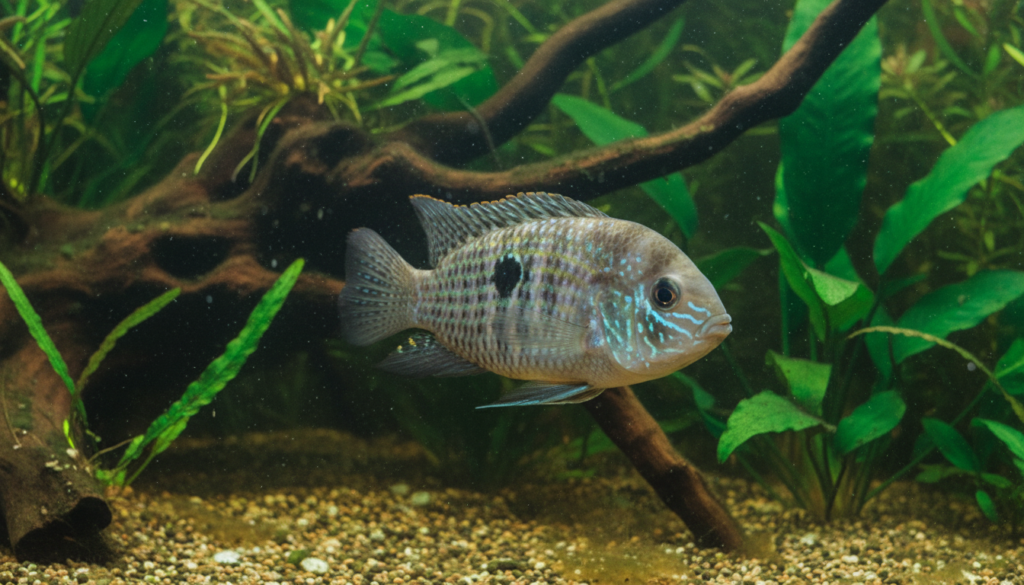
There’s taxonomic confusion in hobbyist circles, but many hobbyists still recognize certain Aequidens forms as attractive, hardy choices. These acara species variants tolerate a broad temperature range (72–82°F) and adapt to diverse diets.
- Cleithracara maronii (Checkerboard/Bystrous Acara)
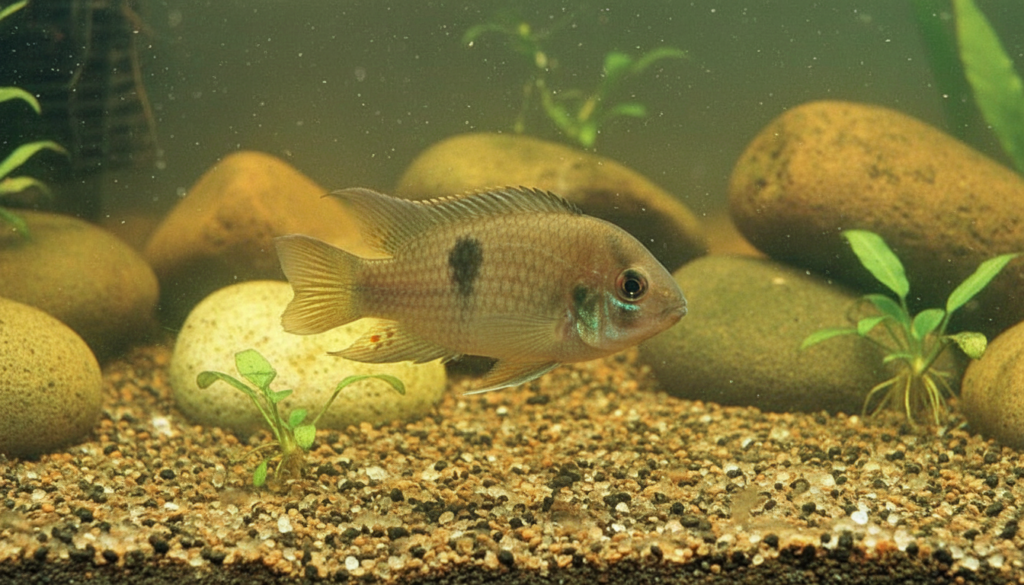
One of the most peaceful acara species, the Cleithracara is shy and displays a charming checkerboard pattern when stressed. They prefer heavily planted tanks and dim lighting. I keep one as a community tank ambassador; it retreats but bonds well once comfortable.
- Gold Acara (selectively bred variant)
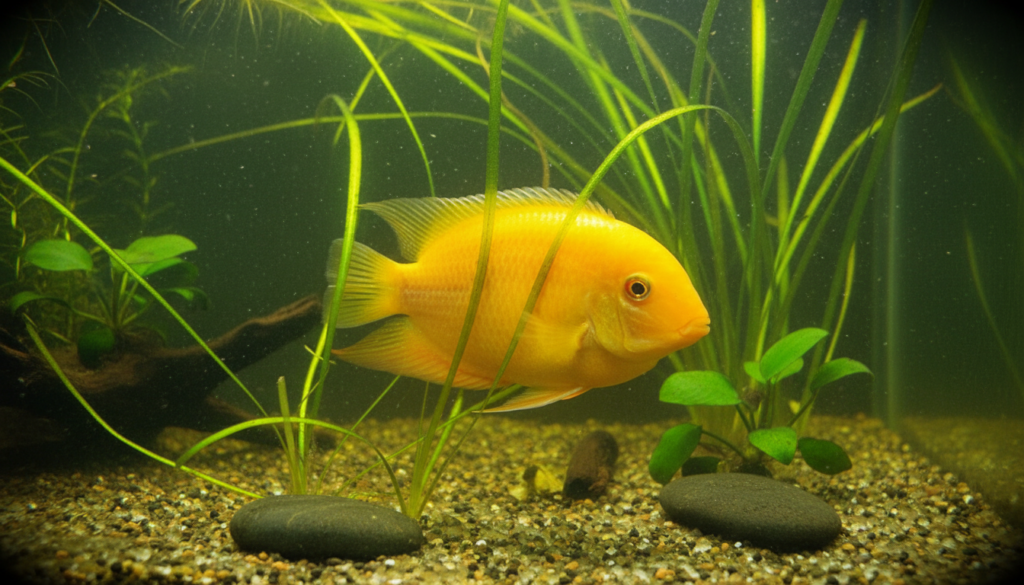
Selectively bred gold forms emphasize warm hues. They require high-quality proteins for color permanence—frozen shrimp or mysis help maintain vibrancy better than flake alone.
Care tips for acara species
Keeping acara species happy is straightforward once you nail three things: stable water, a balanced diet, and appropriate structure. Aim for these baseline conditions: temperature 74–82°F, pH 6.5–7.5, moderate hardness, and reliable filtration with gentle flow. Many acara species appreciate caves and flat rocks for spawning; avoid sharp decor that might damage their lips during territorial displays.
Feeding and nutrition
Acara species are omnivores with a protein lean—offer a rotating diet: high-quality pellets, frozen mysis or brine shrimp, and occasional vegetable matter like blanched spinach. I feed a pellet in the morning and a frozen mix in the evening. During breeding, boost protein for the male and female to build energy reserves for fry care.
Breeding behavior and raising fry
Most acara species are substrate spawners and devoted parents. Pairs clean a flat surface, lay adhesive eggs, and fiercely guard fry. In my tanks, parents will fan eggs and move fry in coordinated shuttles to safety. If you want to raise fry, provide fine-leaved plants or marbles to protect early-stage fry from being eaten, and start fry on infusoria or crushed flake before transitioning to baby brine shrimp.
Common health issues and prevention
Acara species are generally hardy but susceptible to common freshwater ailments when stressed—ich, bacterial ulcers, and swim bladder issues being the most common. Prevention is simple: maintain water quality with 20–30% weekly changes, avoid overcrowding, and quarantine new additions for two weeks. When disease appears, treat quickly with appropriate medications and maintain oxygenation during dosing.
Tank mates and community ideas
Choosing companions for acara species depends on their size. Blue Acara pairs coexist with robust tetras, larger rasboras, peaceful plecos, and larger Corydoras. Avoid tiny species that might be seen as fry or nipped fins like ornate guppies in small tanks. I’ve successfully kept acara species with dwarf angelfish in well-planted, tall aquaria—spacing matters, and visual breaks (plants, wood) reduce conflicts.
Unusual facts and personal anecdotes
Here are a few oddball observations from my years with acara species: I once watched a Blue Acara mimic the head-down posture of a corydoras to inspect a new rock—behavioral mimicry isn’t well-documented but can happen. Another time, a pair moved their fry into the outflow of a sponge filter, apparently using current to test fry strength. These quirky behaviors remind me why acara species are endlessly entertaining: they blend cichlid brains with adaptable temperaments.
Shopper’s checklist before buying acara species
- Observe the fish at the store for bright eyes and active fins; avoid lethargic individuals.
- Ask about tankmates and recent medications.
- Confirm the size of the specimen and plan tank space accordingly—some acara species grow substantially.
- Look for intact scales and no stringy feces (sign of internal parasites).
Frequently Asked Questions about acara species
- Q: Are acara species good for beginners?A: Many acara species are suitable for hobbyists with basic experience. They tolerate a range of conditions and are less aggressive than larger cichlids, but some species get large and need proper aquarium size and stable water.
- Q: Can different acara species be kept together?A: You can keep different acara species together if the tank is large enough and there are ample hiding spaces. Monitor for dominance displays; separate if aggression becomes persistent. Mixing similar-sized acara species often works best.
- Q: How do I tell male and female acara species apart?A: Sexual dimorphism varies: males often develop nuchal humps, are larger, and show stronger coloration. Females may appear rounder when ready to spawn. For some events, subtle behavior—males being more territorial—gives clues.
- Q: What water parameters suit acara species?A: Most acara species thrive in 74–82°F, pH 6.5–7.5, and moderate hardness. Consistency matters more than exact numbers; stable conditions keep stress low and colors bright.
Conclusion: Why I still recommend acara species
After years of keeping and observing a variety of cichlids, acara species remain among my favorite choices for a bright, interactive community tank. They offer personality without undoing your tank stability, display fascinating parental behaviors, and come in an array of colors and morphs. If you respect their space, provide steady water, and offer a varied diet, these fish repay you with loyalty, drama, and delightful daily interactions. Try one or pair a few compatible species, and you’ll soon understand why hobbyists keep returning to acara species as reliable, rewarding members of the aquarium world.