Top 10 Fascinating Gourami Species: Colors, Care, Tips and Behavior
Gourami species bring an irresistible mix of personality, color, and interesting behaviors to freshwater tanks — and if you’ve ever watched a male puff up to guard a bubble nest, you know why I’m hooked. In this guide I’ll walk you through the top 10 gourami species I recommend for hobbyists, from tiny sparkling beauties to the impressive giant gourami. Along the way I’ll share setup secrets, odd facts I’ve learned from years of keeping these fish, and realistic expectations for temperament and tank mates.
Why choose Gourami species for your tank?
There’s something unusually charming about gourami species: many sport a labyrinth organ that lets them sip air at the surface, they display vivid courtship colors, and some develop almost dog-like personalities. For aquarists seeking diversity — peaceful dither fish, territorial show-offs, or unique breeding behaviors — gourami species cover a lot of ground. They’re also great for planted tanks because several enjoy slow-flow, heavily planted aquascapes where they can hide and build bubble nests.
Top 10 Gourami species — quick overview
Below you’ll find a practical snapshot of each species: ideal tank size, temperament, water preferences, diet, and a few unusual facts or tips I’ve picked up. I arrange them from small to large so you can match fish to aquarium size.
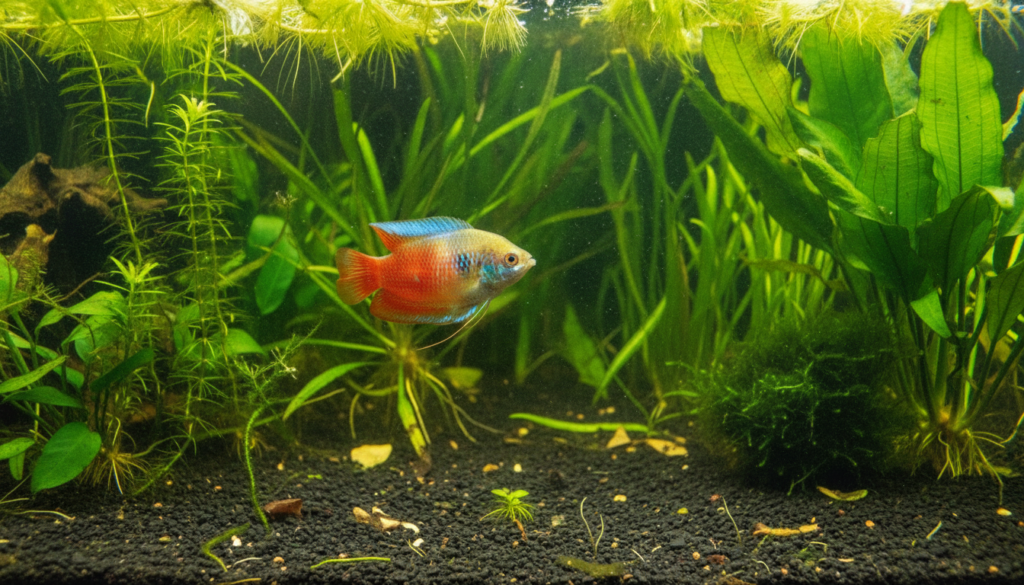
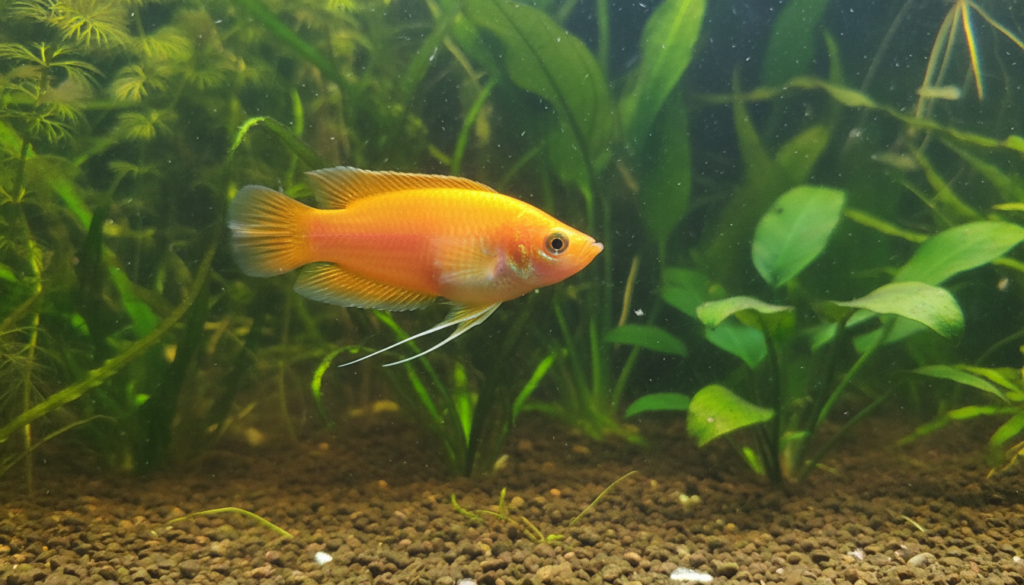
- Dwarf Gourami (Trichogaster lalius) — Tank: 10–20 gallons. Temperament: peaceful but males can be quarrelsome. Water: soft to moderate, neutral pH. Diet: flake, frozen, live. Unusual fact: dwarf gouramis are prone to an iridovirus — buy from reputable breeders and quarantine new arrivals.

- Honey Gourami (Trichogaster chuna) — Tank: 10–20 gallons. Temperament: one of the most peaceful, ideal for nano community tanks. Water: slightly acidic, soft. Diet: tiny live foods and plankton-style flake. Tip: males brighten noticeably with good water and live foods.
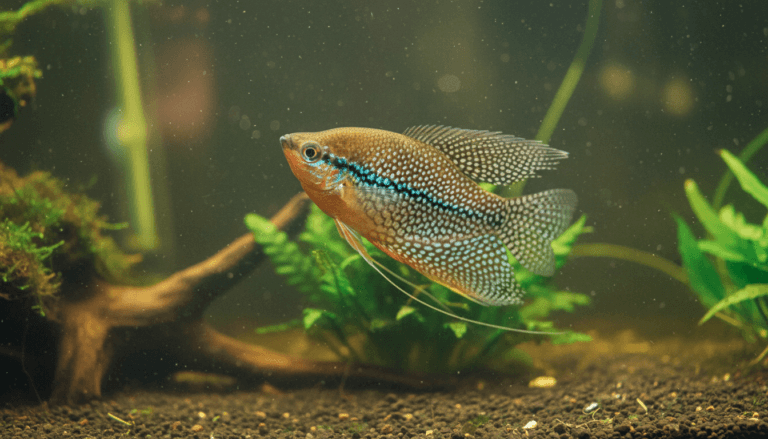
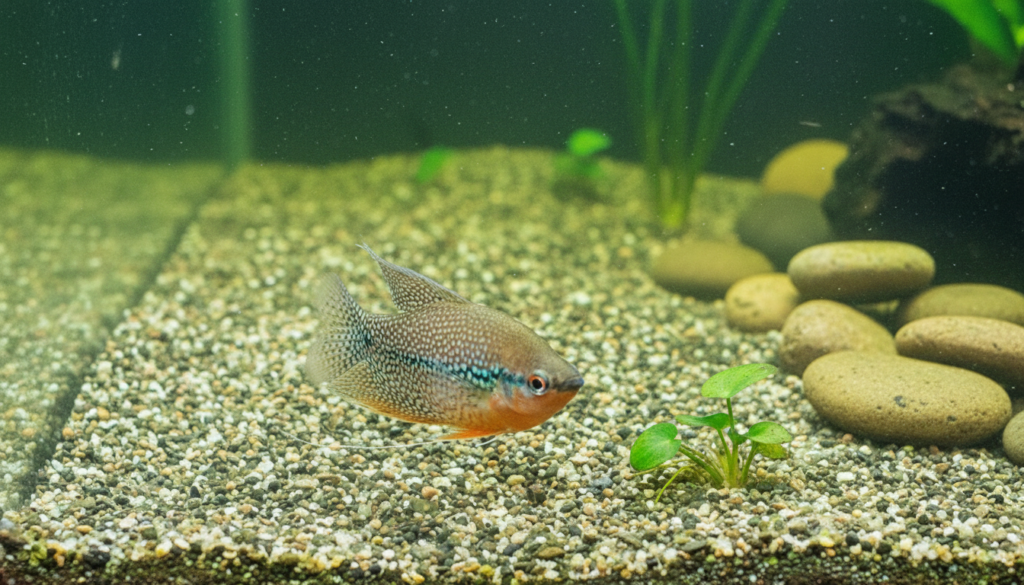
- Pearl Gourami (Trichopodus leerii) — Tank: 20–30 gallons. Temperament: semi-peaceful, males territorial during breeding. Water: soft to slightly acidic. Diet: varied omnivore. Personal note: the iridescent pearl pattern looks best under subdued lighting and tannin-stained water.
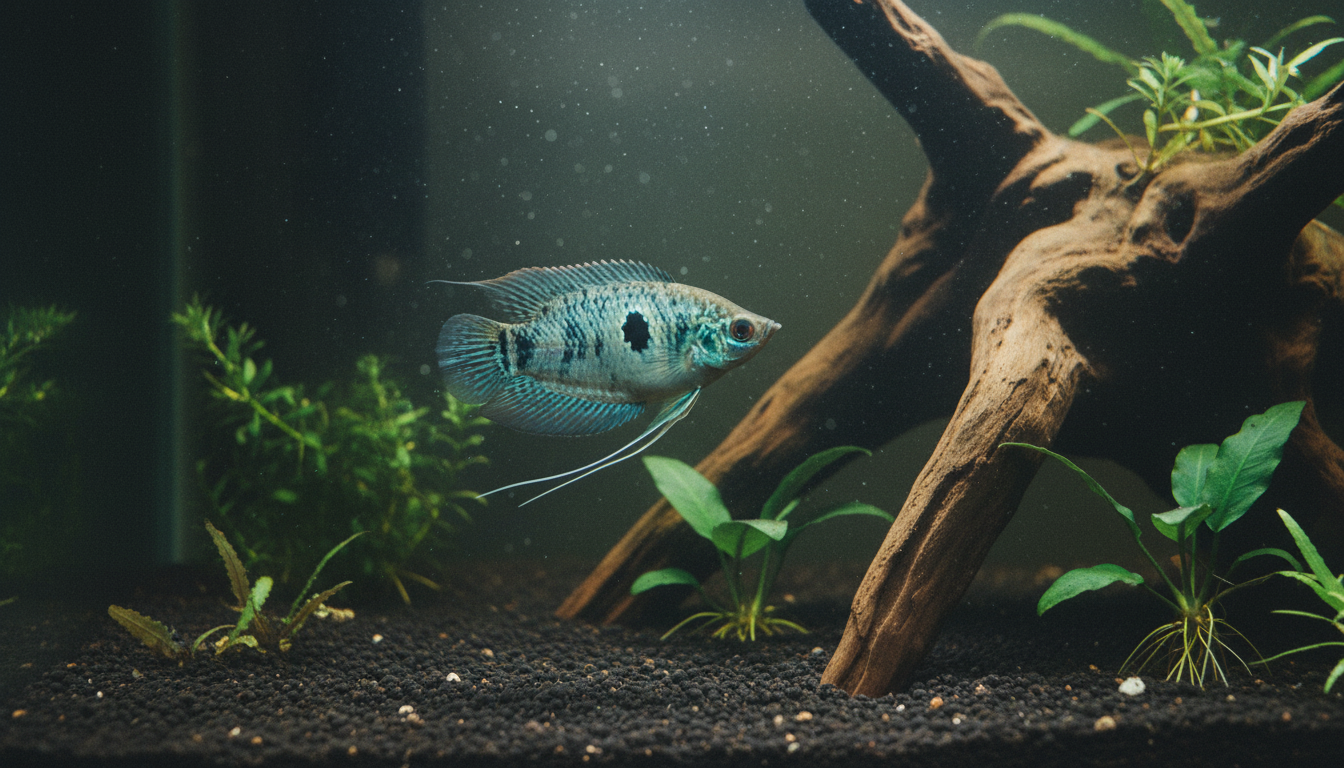
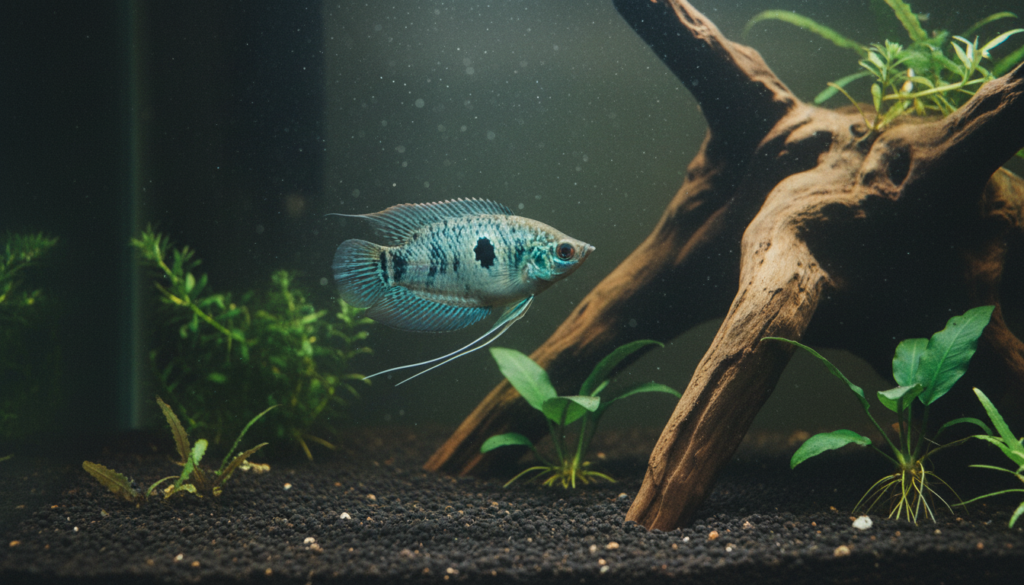
- Three-spot / Blue Gourami (Trichopodus trichopterus) — Tank: 20+ gallons. Temperament: hardy but assertive; males may flare at other labyrinths. Water: adaptable. Diet: omnivorous and not fussy. Unusual fact: originally called “three-spot” though the mid-body spot is subtle in many color morphs.
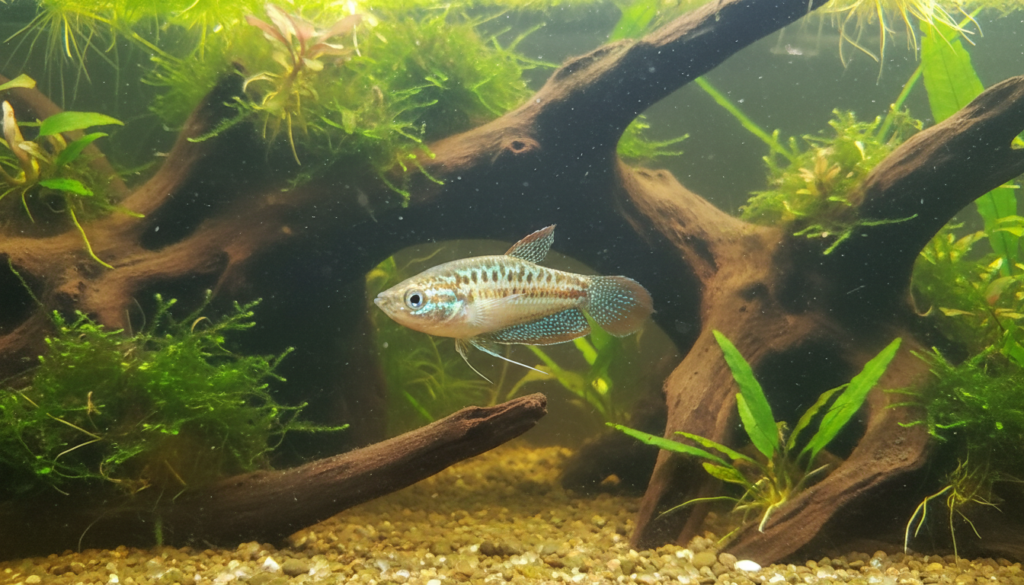
- Sparkling Gourami (Trichopsis pumila) — Tank: 5–10 gallons. Temperament: shy and delicate but peaceful. Water: soft, stable, well-oxygenated. Diet: small live foods (daphnia, microworms) shine here. Tip: these tiny gouramis will happily inhabit the upper levels and sometimes perform a faint clicking vocalization during courtship.
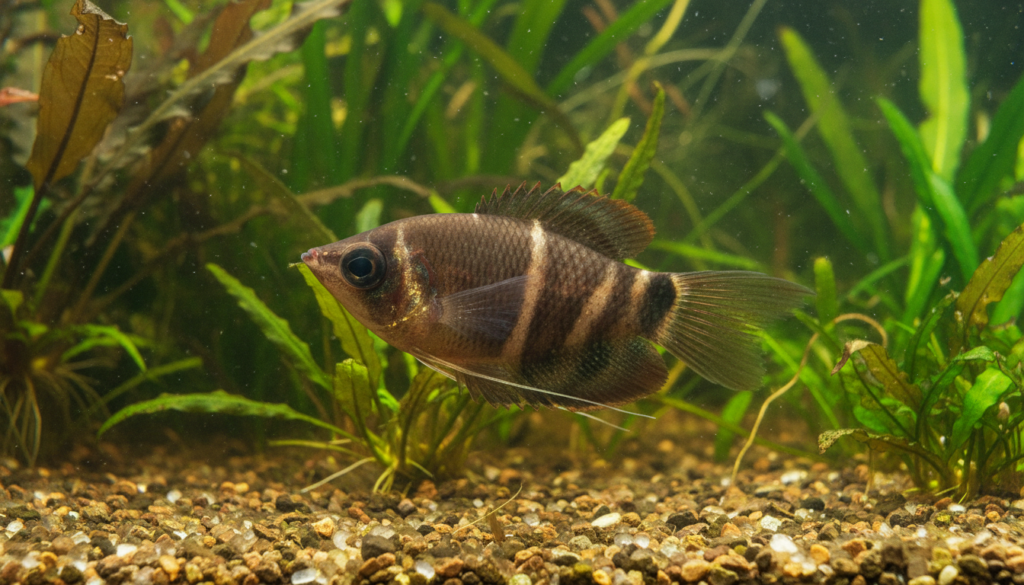
- Chocolate Gourami (Sphaerichthys osphromenoides) — Tank: 10–20 gallons (species-only recommended). Temperament: extremely shy and sensitive. Water: very soft, acidic, and dark (peat-enriched). Diet: frequent live foods. Unusual fact: chocolate gouramis are mouthbrooders or paternal caretakers depending on the species; they require pristine conditions to breed.
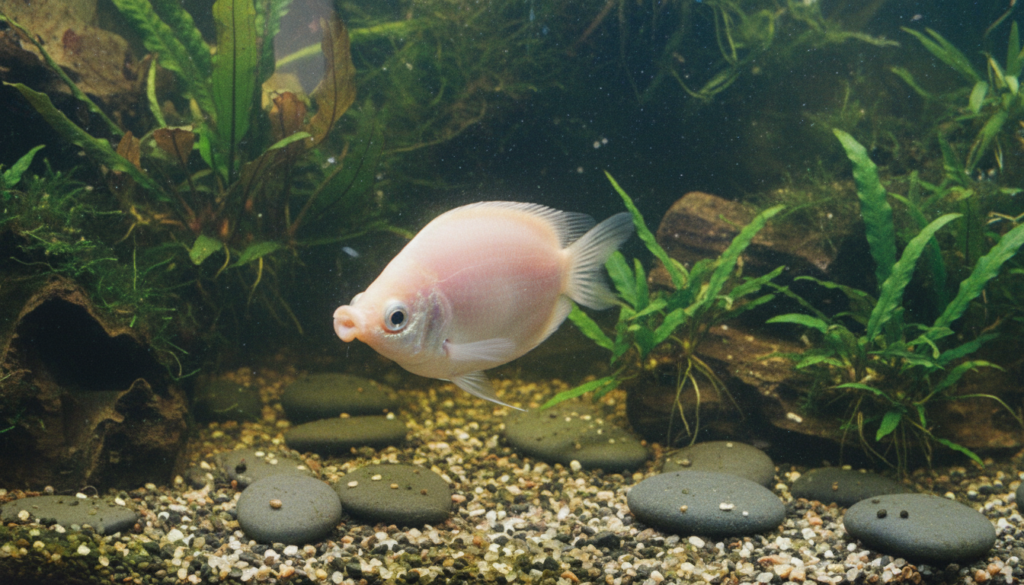
- Kissing Gourami (Helostoma temminckii) — Tank: 55+ gallons. Temperament: slow-moving but can be territorial with similar-sized fish. Water: warm, stable. Diet: omnivorous with a liking for algae. Curious behavior: the “kissing” is often a display of dominance — be cautious pairing with other big, slow tankmates.
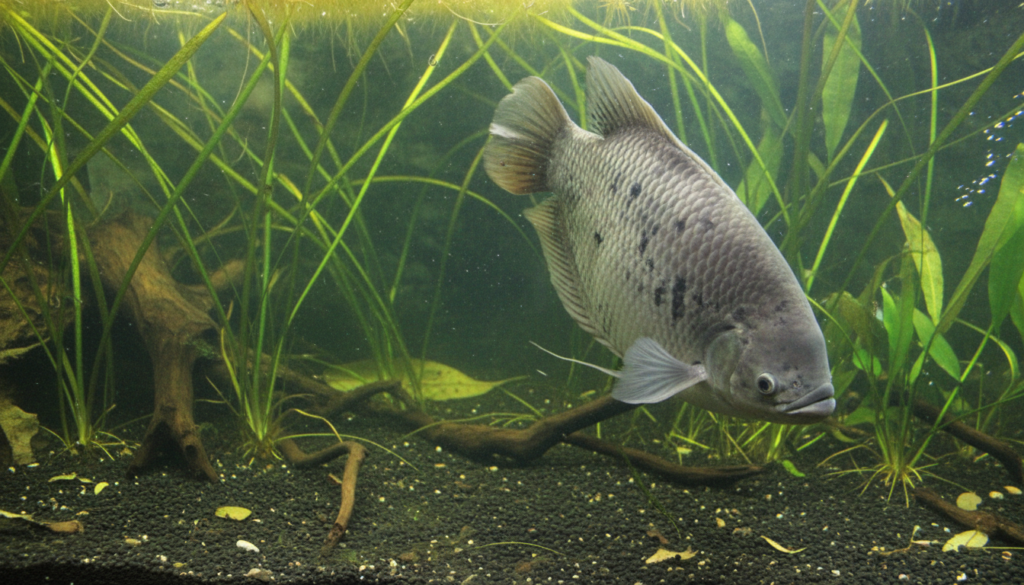
- Giant Gourami (Osphronemus goramy) — Tank: 200+ gallons for adults. Temperament: intelligent, sometimes gets bored and will rearrange decor. Water: warm and roomy. Diet: herbivorous tendencies — treats like lettuce and peas are appreciated. Personal story: I lost driftwood to a particularly curious giant gourami that chewed softer pieces like driftwood bark over weeks.
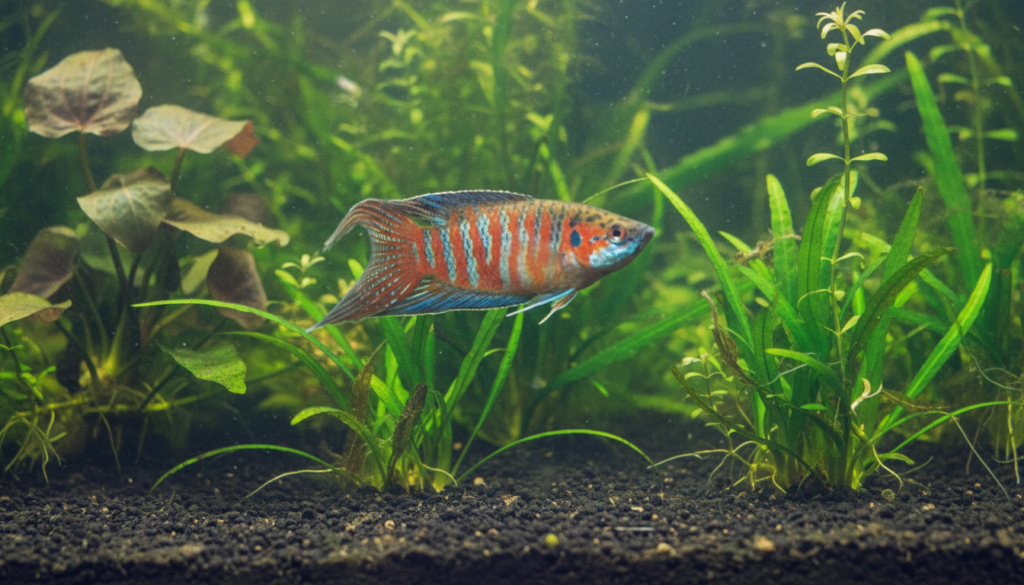
- Paradise Gourami (Macropodus opercularis) — Tank: 10–20 gallons. Temperament: feisty but gorgeous; males defend territories fiercely. Water: tolerant of a range but appreciates calm water for nesting. Diet: omnivorous and opportunistic. Useful trick: they’ll build floating bubble nests and can be surprisingly hardy in cooler setups.
- Snakeskin Gourami (Trichopodus pectoralis) — Tank: 30–50 gallons. Temperament: generally peaceful but large and active. Water: tolerant, prefers some current. Diet: omnivorous; accepts sinking pellets. Unusual note: prized in Southeast Asia as both a food fish and aquarium fish — their size and activity make them standout community members in larger tanks.
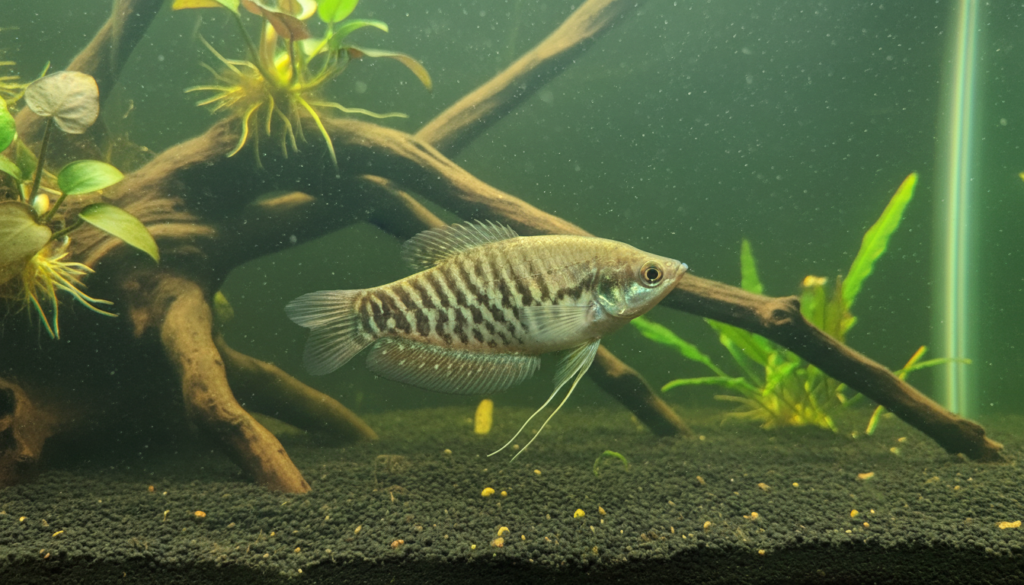
Tank setup tips for Gourami species
Matching the tank to the species is the single biggest factor in success. For small species like sparkling and honey gourami, a densely planted 10-gallon with floating plants and gentle filtration is idyllic. For mid-sized species like pearl and three-spot, aim for 20–40 gallons with open swimming zones and taller plants for shelter. Large gourami species — kissers, snakeskin, giant — demand very large aquariums, sturdy lids, and robust filtration.
Water chemistry matters: many gourami species come from soft, slightly acidic Asian blackwater systems. I often recommend adding a touch of peat to the filter or using Indian almond leaves for those species, which calms coloration and supports natural behaviors. But some species, especially three-spot and blue morphs, tolerate a broader range and are forgiving for beginners.
Feeding and nutrition advice for Gourami species
Most gourami species are omnivores; however, the balance shifts considerably. Giant gourami lean toward herbivory, while chocolate and sparkling gouramis thrive on live microfauna. I always keep a rotation: quality flakes or pellets, frozen brine shrimp, bloodworms, and some vegetable matter. For picky species, frequent small feedings mimic natural foraging and reduce aggression tied to hunger.
Breeding basics and behaviors among Gourami species
Bubble-nesting is the most recognizable gourami breeding behavior, performed by many Trichogaster and Trichopodus species. Males puff up, collect bubbles, and shepherd eggs and fry under the nest. Conversely, chocolate gouramis favor special parental roles that can include mouthbrooding or careful fry caretaking. Sparkling gouramis court with subtle fin displays and soft clicks — tiny but fascinating to watch. If you plan to breed gourami species, provide warm, calm water, floating vegetation, and a quiet, low-disturbance aquarium.
Common health issues and preventative care
Two recurring problems I see: poor water quality stress and viral infection in dwarf gouramis. Regular water changes, stable temperatures, and quarantine for new fish reduce the chance of disease. For labyrinth-bearing gouramis, surface access is essential — never hang the tank too high away from easy air access. Keep an eye on fins for nipping and on behavior for lethargy; many gourami illnesses reveal themselves in subtle changes first.
FAQ
- Q: Which gourami species are best for beginners?A: Honey gourami, three-spot/blue gourami, and paradise gourami are often the most forgiving. Honey gourami are gentle and small, three-spots are hardy, and paradise gourami tolerate a variety of water conditions.
- Q: Can different gourami species live together?A: Mixing gourami species is possible but requires care. Avoid putting multiple aggressive males in a small tank. Pair smaller species with peaceful community fish, and never mix very large species like giant gourami with delicate dwarfs.
- Q: Do gourami species breathe air — and does that mean poor water quality is acceptable?A: Gouramis have a labyrinth organ allowing air breathing, but this is not a substitute for clean water. It helps them tolerate low oxygen briefly, but they still need stable, clean conditions and proper filtration.
- Q: How do I tell if my gourami is stressed?A: Signs include faded color, clamped fins, gasping at the surface (beyond normal air-breathing), isolation, and lack of appetite. Address water quality, temperature, and aggression from tankmates promptly.
- Q: Are gourami species suitable for planted tanks?A: Absolutely. Many gourami species thrive in heavily planted aquariums with floating cover — it gives them building material for nests and hiding spots when they feel threatened.
Conclusion
Gourami species offer an incredibly diverse palette of sizes, colors, and behaviors. From tiny sparkling gouramis that whisper from among the plants to the stately giant gourami that will rearrange your driftwood, there’s a gourami for nearly every aquarist. My best practical advice is to match species to tank size, respect their water chemistry needs, and watch for social dynamics — a calm tank with predictable routines will bring out their best colors and most entertaining behaviors. If you’re new, start with hardy, mid-sized species and work up to the more delicate or large types as you gain experience. Happy fishkeeping — and don’t be surprised if a gourami ends up being the boldest personality in your aquarium!