Top 10 Aquarium Fish Species Perfect For Beginners
Introduction
If you’re standing in front of a glossy tank at a aquarium fish store or scrolling through aquarium Instagram feeds, the idea of keeping fish can be irresistible. As someone who started with a single 10-gallon setup and a curious goldfish decades ago, I remember how overwhelming choices can feel. This guide focuses on truly reliable beginner fish that resist common mistakes, teach basic water chemistry, and reward you with personality and color. Whether you have a desktop bowl or a planted community tank, I’ll share details you won’t always find in product blurbs—quirks, feeding tips, and little setup hacks that helped me keep my first tanks alive and vibrant.
Why beginner fish matter
Choosing the right beginner fish is about more than picking pretty colors; it’s about setting realistic expectations and building confidence. These early choices shape your routine. A hardy starter species lets you learn the rhythm of partial water changes, filtration, and feeding without heartbreak. From my experience, one calm, forgiving beginner fish species can save you weeks of troubleshooting and keep the hobby fun instead of frustrating.
How to choose beginner fish
When I advise newcomers I focus on several practical criteria: hardiness (tolerance for minor parameter swings), diet flexibility, temperament, size, and compatibility with other species. Look for fish that eat both flakes and frozen or live options, tolerate a range of temperatures, and don’t grow so large they outgrow your tank. In short: pick fish that give you a margin for error while still showing behavior that keeps you engaged.
Also consider aquarium dimensions. A 5-gallon tank is cozy for shrimp or a betta, but a small community of tetras or rasboras wants more horizontal swimming space. Lighting, plants, and filtration type influence choices too. I often recommend an inexpensive sponge filter for fragile beginner fish that prefer gentle flow—this small change prevents a lot of stress-related illness.
Top 10 aquarium fish species
Below are ten species I return to again and again when helping friends start tanks. Each entry includes why the fish is a great starter, unusual facts I’ve observed, and practical care tips that go beyond the basics.
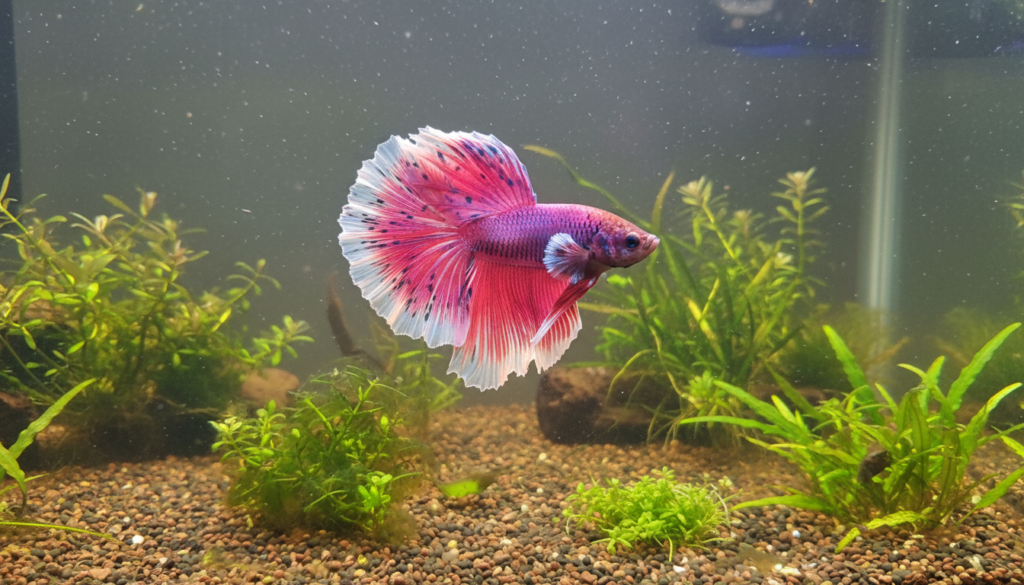
- Betta (Betta splendens)

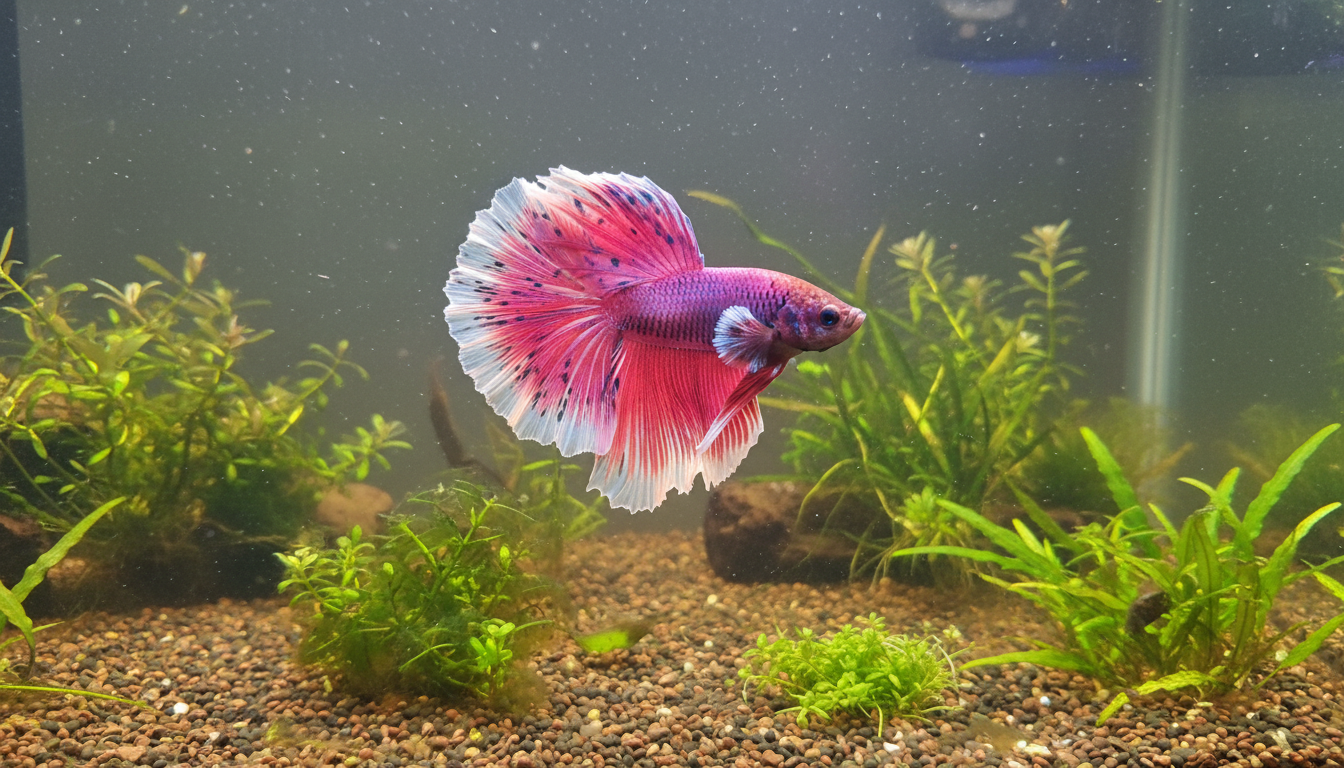
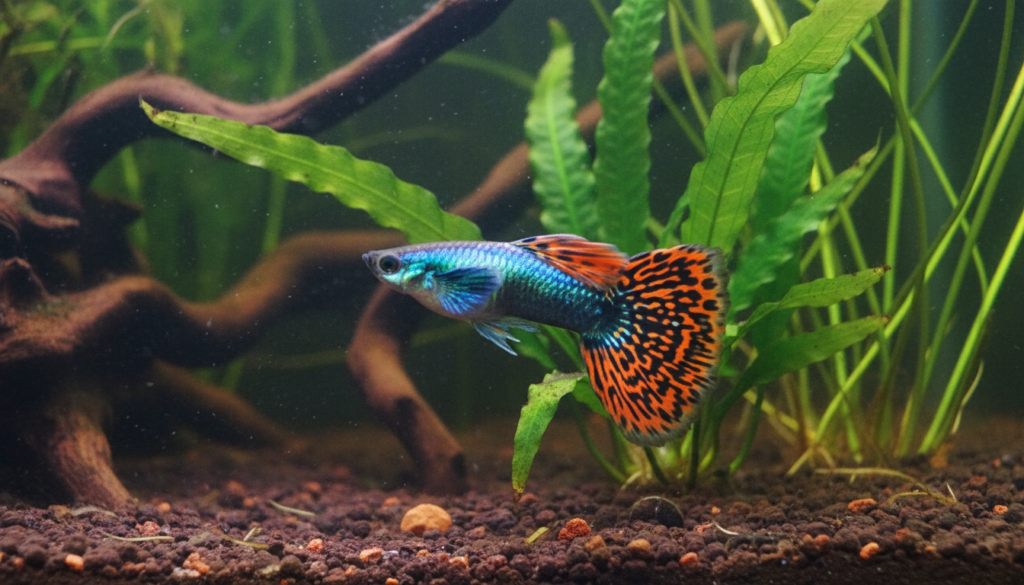
Why it’s great: Bettas are colorful, interactive, and comfortable in small tanks, making them a classic beginner fish choice. Unusual fact: a calm betta will “bubble nest” even in a filtered, planted tank—it’s a sign of contentment, not necessarily imminent breeding.Tips: Offer a varied diet (pellets, frozen daphnia, occasional bloodworms), keep temperature around 76–82°F, and provide hiding spots. Avoid strong currents and housed-with other fish only after careful compatibility checks—male bettas are best kept solitary. - Guppy (Poecilia reticulata)
Why it’s great: Guppies are prolific, colorful, and tolerant of a range of conditions. Unusual fact: males display unique tail patterns and can even “flair” at their reflection with distinct courtship dances.Tips: Keep a ratio favoring females to reduce male harassment. These fish thrive in planted tanks with moderate flow and appreciate regular feedings of both flakes and micro-pellets. - Pearl Gourami (Trichopodus leerii)
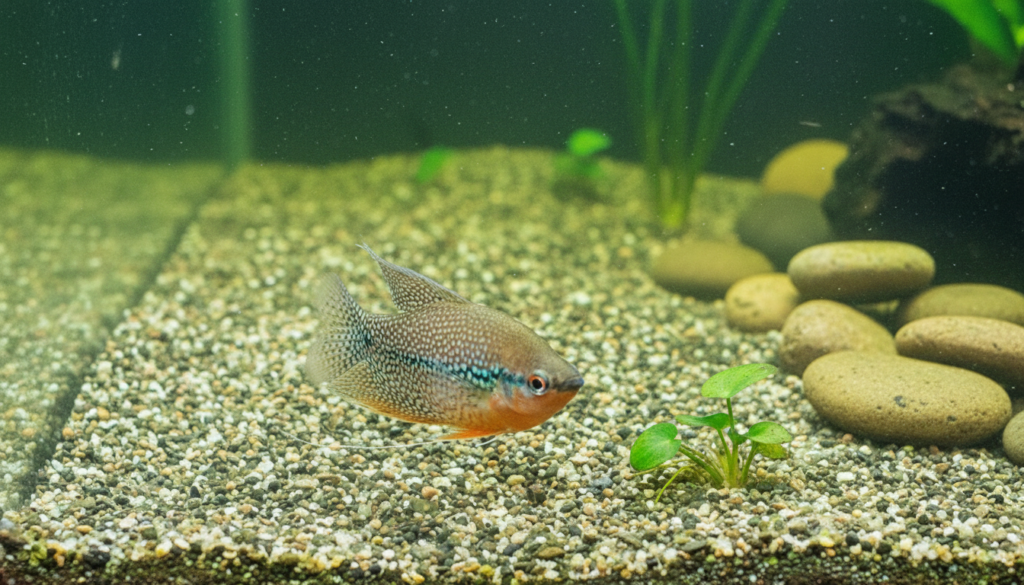
Why it’s great: Pearl Gouramis are graceful, hardy fish known for their shimmering, pearl-like pattern and calm temperament. Unusual fact: males intensify in color during breeding and perform slow, elegant courtship displays to attract females.
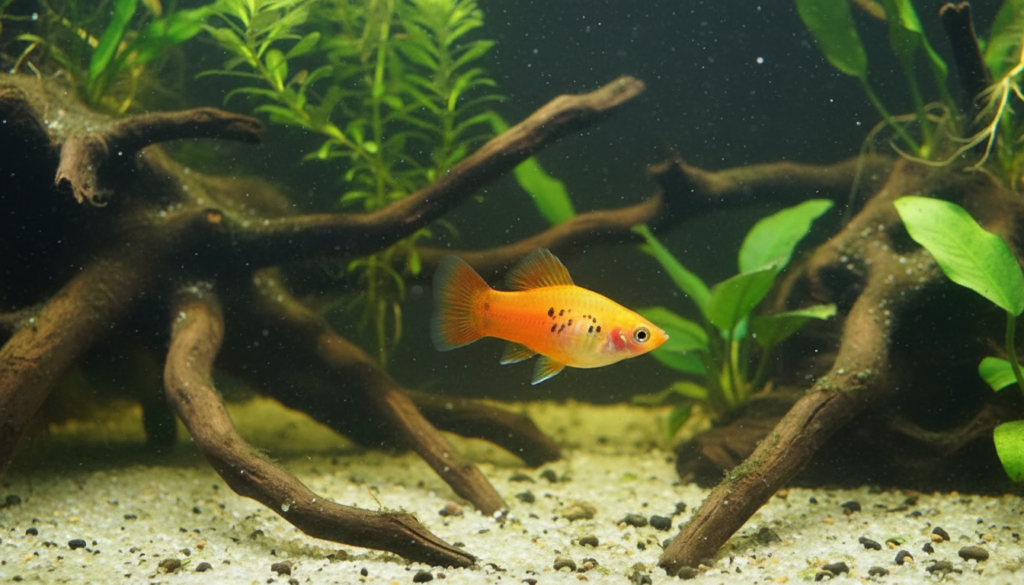
Tips: Keep a ratio favoring females to reduce stress and competition. These fish thrive in well-planted tanks with gentle flow and appreciate a varied diet of flakes, micro-pellets, and occasional live or frozen foods. - Platy (Xiphophorus maculatus)
Why it’s great: Platies are peaceful livebearers with a variety of colors, easy to breed and maintain—an excellent beginner fish for community tanks. Unusual fact: They can nudge each other gently when exploring plants, a behavior that never gets old to observe.Tips: Offer diverse foods including vegetable matter. Avoid overcrowding; platies breed quickly and population control may be necessary in small tanks. - Neon Tetra (Paracheirodon innesi)
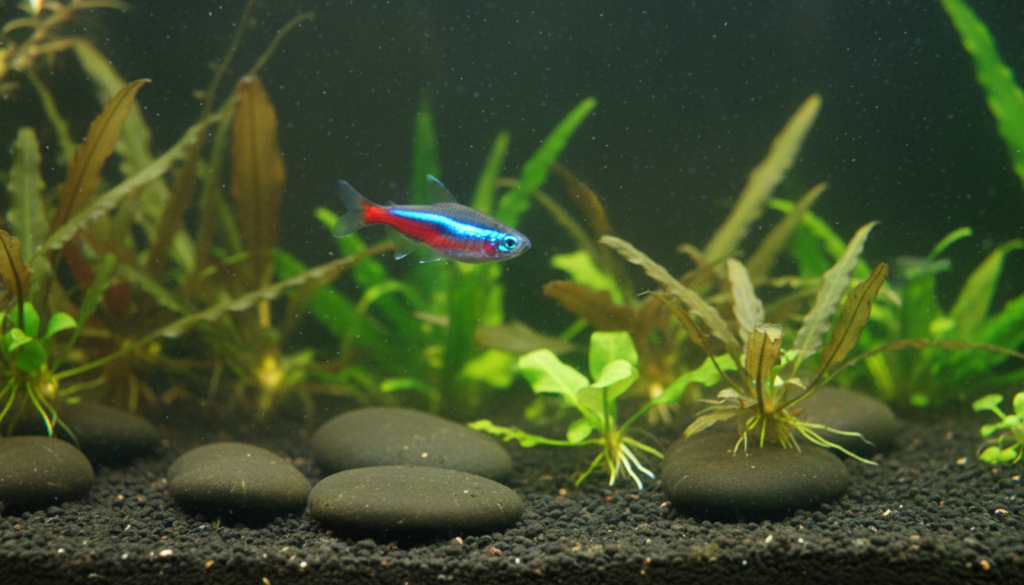
Why it’s great: Their electric stripe and schooling antics bring life to planted tanks. Neon tetras prefer stable, slightly acidic water and are a rewarding sight when kept in a healthy school.Tips: Keep at least 8–10 individuals for a stunning display. Avoid sudden parameter changes; they can be shy after transport but usually bloom in a well-cycled aquarium. - Corydoras Catfish (Corydoras spp.)
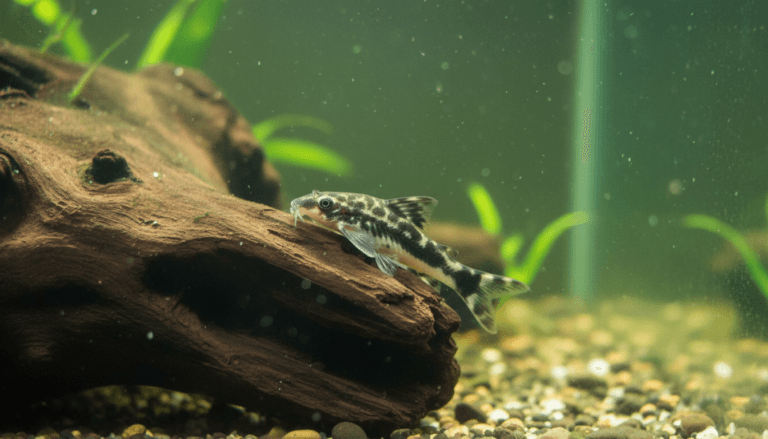
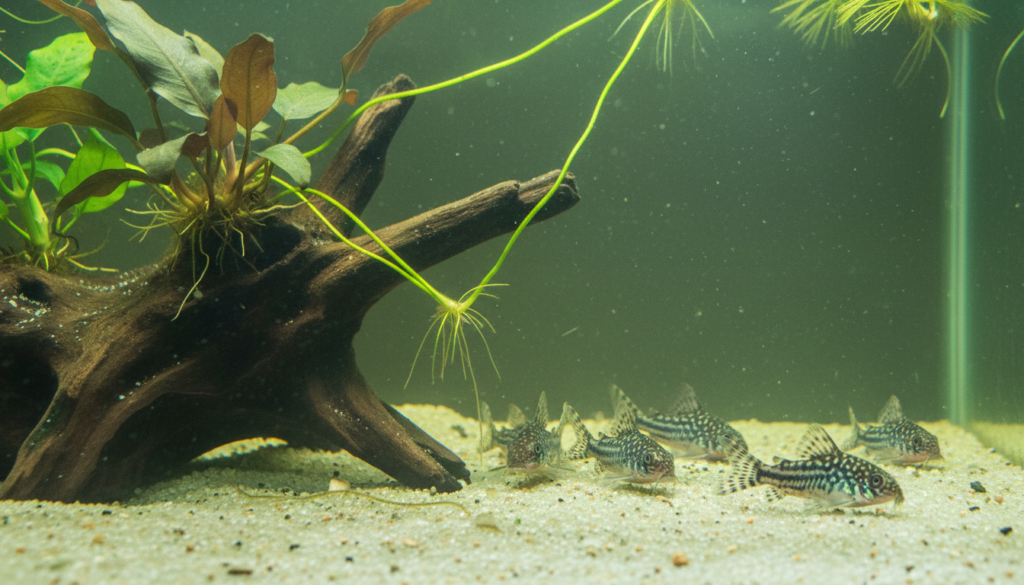
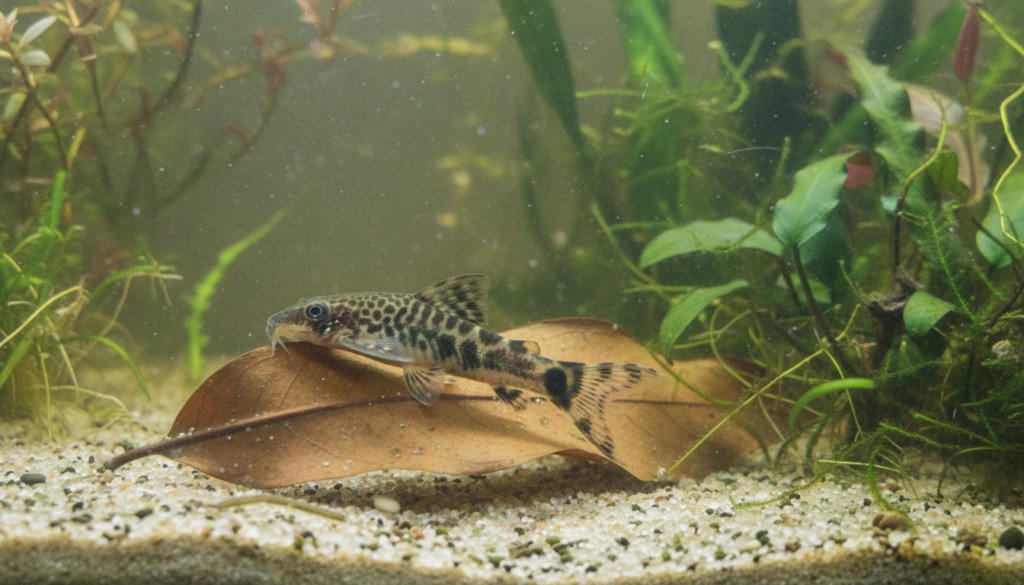
Why it’s great: These bottom-dwellers are excellent cleaners with gentle, curious personalities. Unusual fact: Corydoras can gulp air at the surface and absorb oxygen through their intestines—an odd but effective adaptation.Tips: Provide a soft substrate like sand to protect their barbels and keep them in groups of 4–6. Feed sinking pellets and occasional frozen treats. - Molly (Poecilia sphenops)
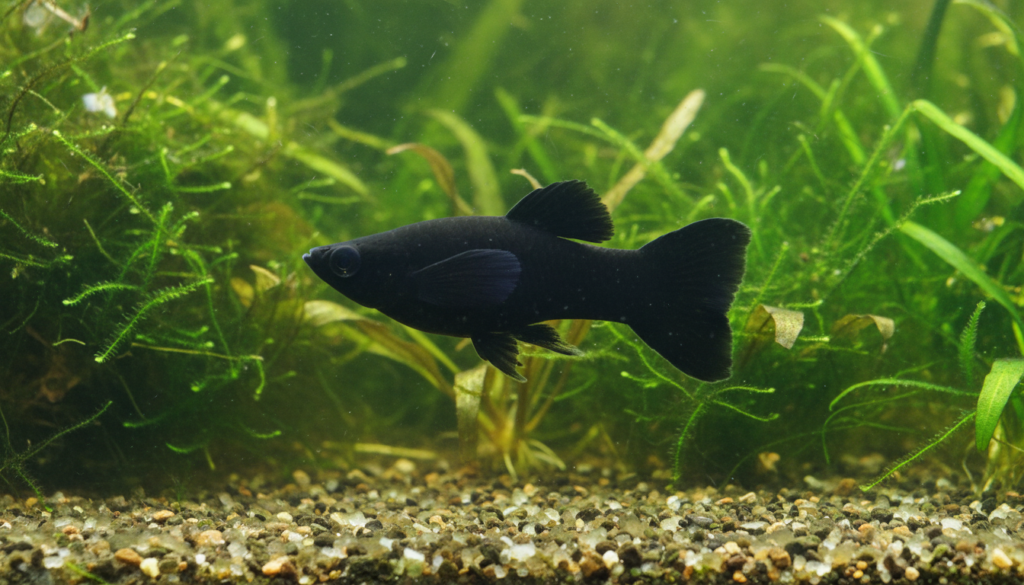
Why it’s great: Mollies tolerate a broad range of conditions and can even handle a bit of brackish water—useful if you’re experimenting with community brackish setups. They are peaceful and entertaining.Tips: Keep a mixed diet and regular water changes to manage algae that mollies enjoy grazing on. They’re livebearers like platies, so be prepared for fry if males and females mix. - Harlequin Rasbora (Trigonostigma heteromorpha)
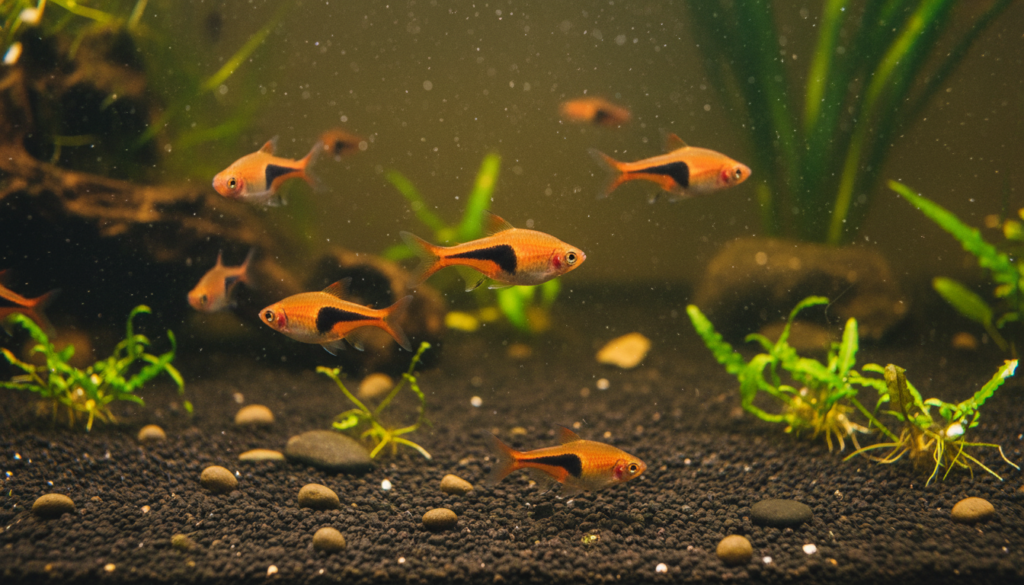
Why it’s great: These are calm, schooling fish that add a warm orange splash to mid-levels of the aquarium. They are forgiving of beginner mistakes and do well in planted tanks.Tips: Keep in groups of 8–10 and pair with other peaceful community species. They appreciate softer water and subdued lighting. - Cherry Barb (Puntius titteya)
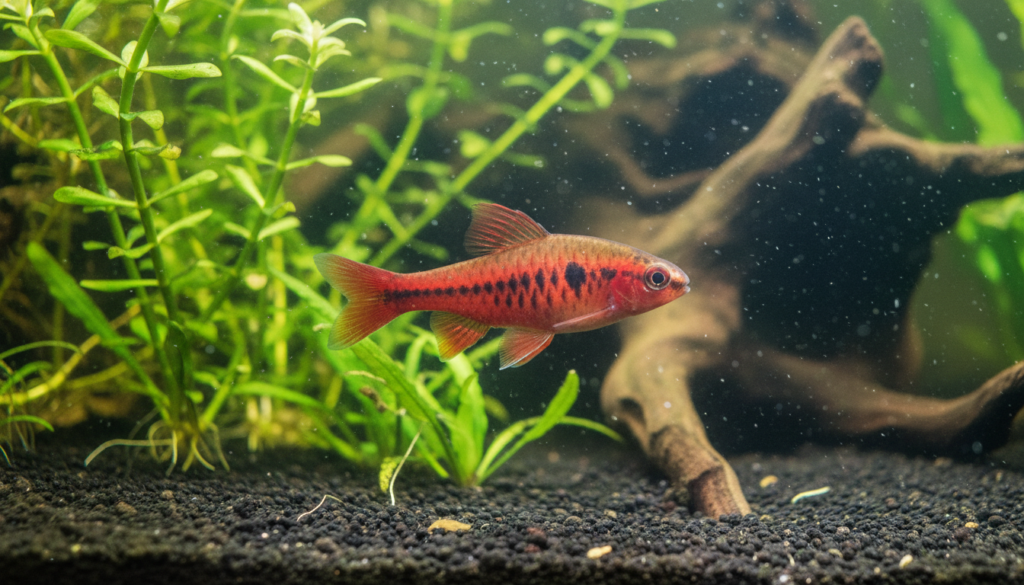
Why it’s great: Cherry barbs are small, colorful, and notably peaceful compared to other barb species. Males flush bright red when happy, which is a delightful reward for good tank maintenance.Tips: Provide plants and gentle flow. Keep males and females in balanced ratios to minimize squabbling. - Otocinclus Catfish (Otocinclus spp.)
Why it’s great: If you’re after algae control, otos are tiny, efficient grazers that prefer groups. They’re delicate during acclimation but become reliable workhorses in mature, planted tanks.Tips: Introduce them to a tank with established biofilm and algae, and keep them in groups of 4+. Provide blanched vegetables as a supplement when algae is scarce.
Common beginner fish mistakes and how to avoid them
Even with hardy species, hobbyists often stumble on predictable traps. Overfeeding is a top culprit—feed what the fish can finish in 2–3 minutes, once or twice daily. Skimping on cycling the tank is another; always cycle before adding fish or use quarantine and gradual stocking to avoid ammonia spikes. I tell newcomers to invest in a simple liquid test kit and the patience to act on readings rather than guessing. Finally, don’t overcrowd: even beginners sometimes assume tiny fish can share tiny tanks in large numbers—balance is key.
FAQ
- Q: How many beginner fish should I start with?A: Aim for a small, manageable number—two or three species in a 10–20 gallon tank. Start slowly and let the tank’s biological filter mature before adding more. For schooling species, buy a full small school (6–10) at once so behavior is natural.
- Q: Do beginner fish need live plants?A: Not strictly, but live plants improve water quality and provide hiding spots. Many beginner fish appreciate broad-leaved plants like Anubias or Java fern that tolerate low light and help keep fish stress down.
- Q: Can I mix all these beginner fish together?A: Most can be mixed if you match temperament and tank size. Avoid placing fin-nippers or highly territorial species with long-finned fish like bettas. When in doubt, set up a quarantine tank and observe interactions first.
- Q: What’s the easiest way to maintain water quality for beginner fish?A: Regular partial water changes (20–30% weekly), a properly sized filter, and not overfeeding will keep parameters stable. Test weekly at first, and learn to recognize signs of stress early—clamped fins, gasping, or lack of appetite.
Conclusion
Choosing your first fish is a memorable step into the aquarium hobby. Opting for hardy, sociable beginner fish will transform a steep learning curve into a satisfying, gradual discovery. These species teach you the fundamentals—filtration, feeding, compatible tankmates, and how to spot early signs of trouble—without punishing small mistakes. Keep notes, experiment carefully, and enjoy the charm each species brings to your tank. With patience and a few of these dependable companions, you’ll be well on your way to a thriving aquatic world.