Top 7 Loach Species Every Aquarist Should Know
Introduction
If you’ve ever watched a nimble fish sift through sand and thought, “I need one,” you’re already on the path to loving Loach species. These charming bottom-dwellers have a reputation for personality, persistence, and sometimes a flair for mischief. As someone who’s kept an ever-rotating cast of loaches over the past decade, I want to share practical tips, surprising facts, and hands-on advice to help you choose the right loach for your tank.
Why hobbyists love Loach species
Part of the loach appeal is their behavior: many species are social, active during twilight hours, and delightfully interactive with aquarists who pay attention. Loach species occupy niches other fish won’t touch — they sift sand, pick at biofilm, and can reduce snail problems if you pick the right type. In my experience, introducing a small group of loaches to a planted tank transformed the bottom half of the aquarium into a living, moving scene rather than static décor.
Top 7 Loach species — quick overview
Below are ten loaches I consider must-know for hobbyists, with care notes, temperament, and a few quirks you might not read in a standard care sheet. I list them in no particular order because the “best” loach really depends on tank size, water chemistry, and the personality you’re after.
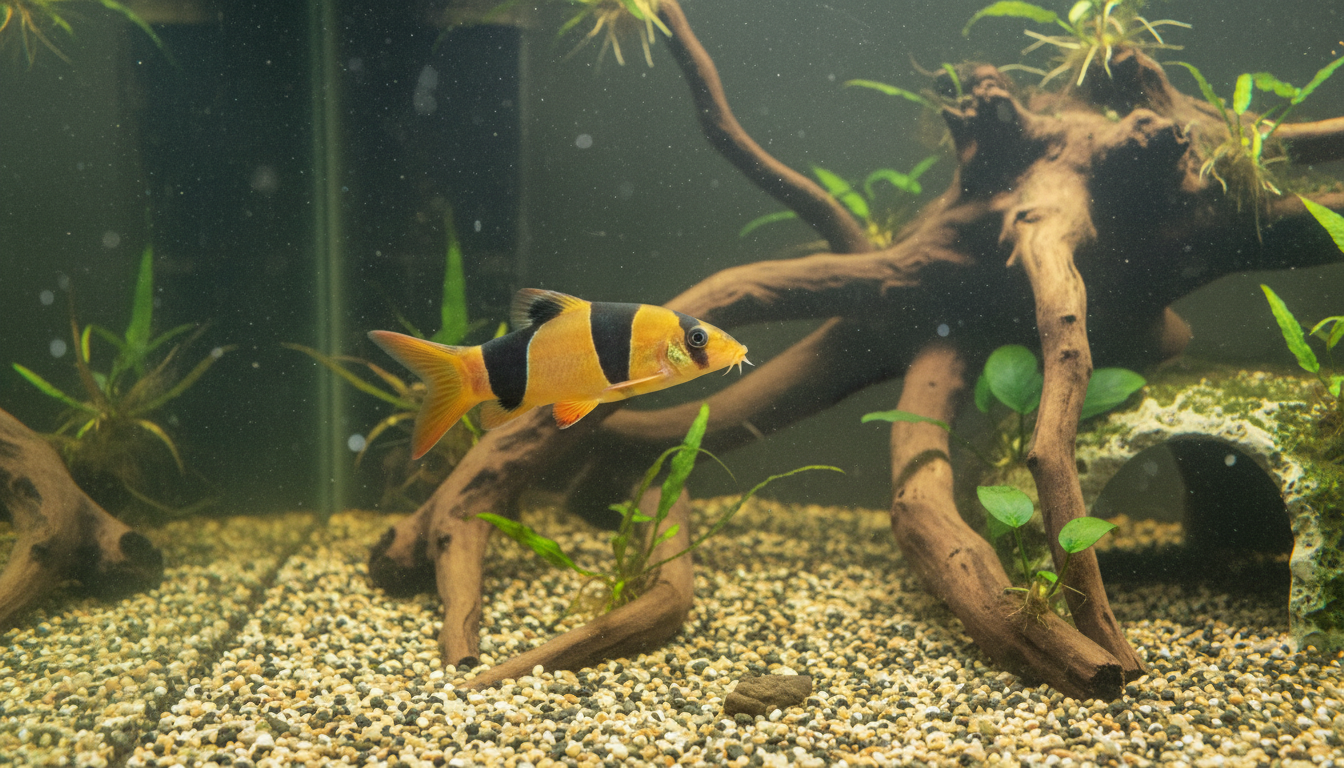
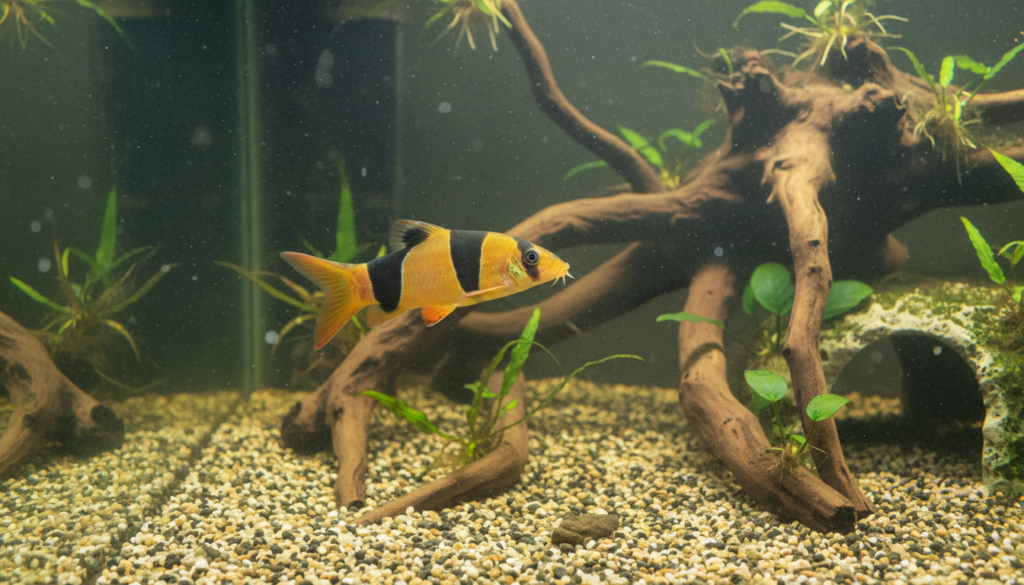
- Clown Loach (Chromobotia macracanthus) — Big, bold, and unmistakable with orange and black stripes. They grow large (up to 12 inches) and thrive in groups. You’ll want a big tank — at least 125 gallons for a small group — and robust hiding places. Clown loaches show a comical bouncing behavior when comfortable and can live 15+ years.

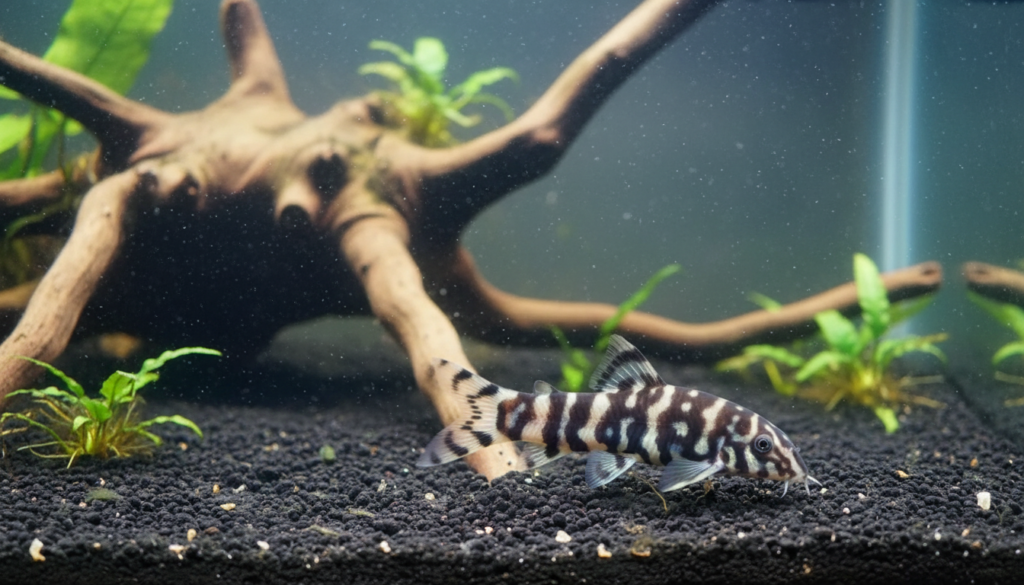
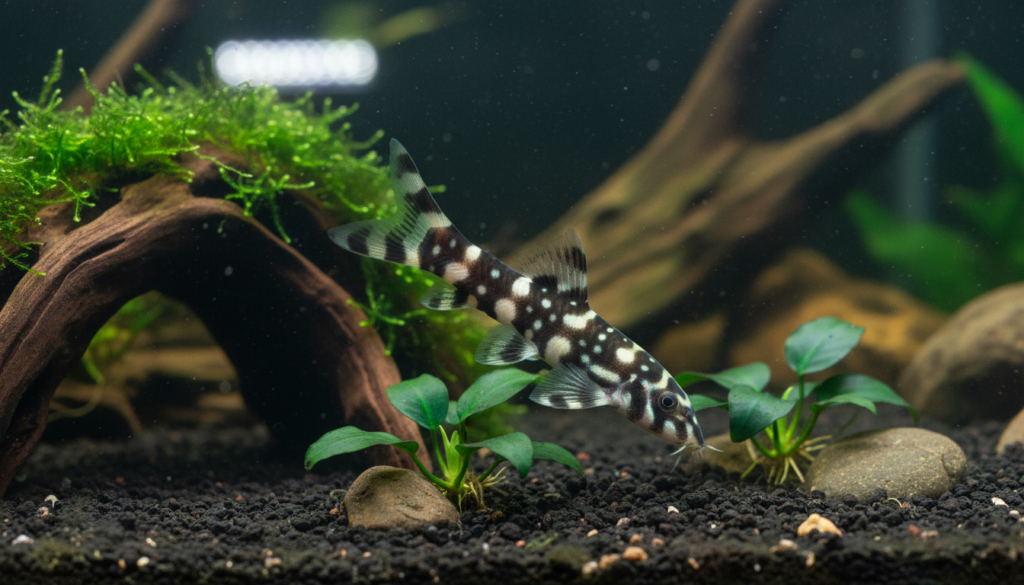
- Yoyo Loach (Botia almorhae) — Named for the yoyo-like pattern on its body, this species is energetic and can be a fin-nipper if understocked. They love caves and will rearrange small decorations. A group of five in a 55–75 gallon tank will keep them happy and reduce aggression.
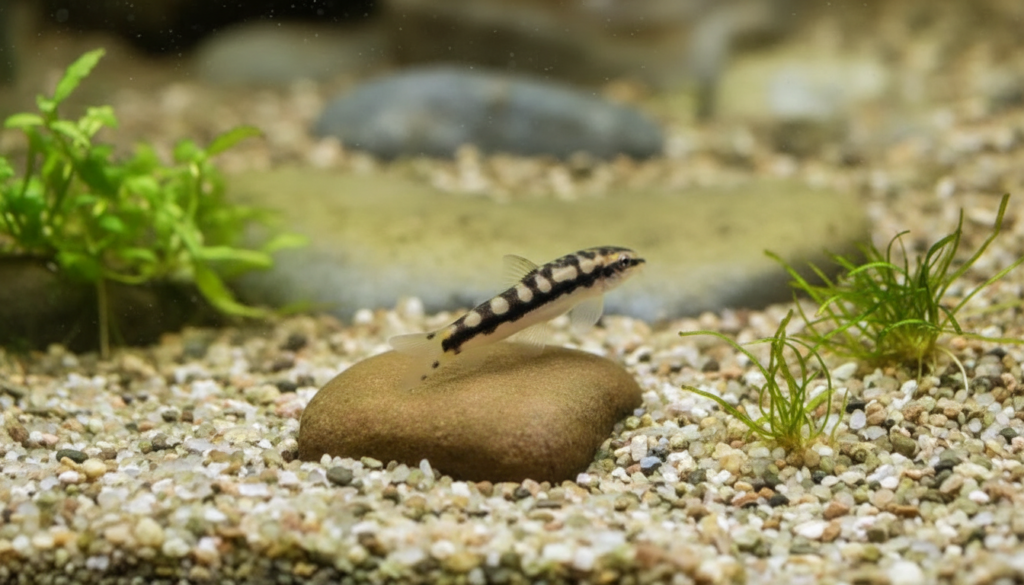
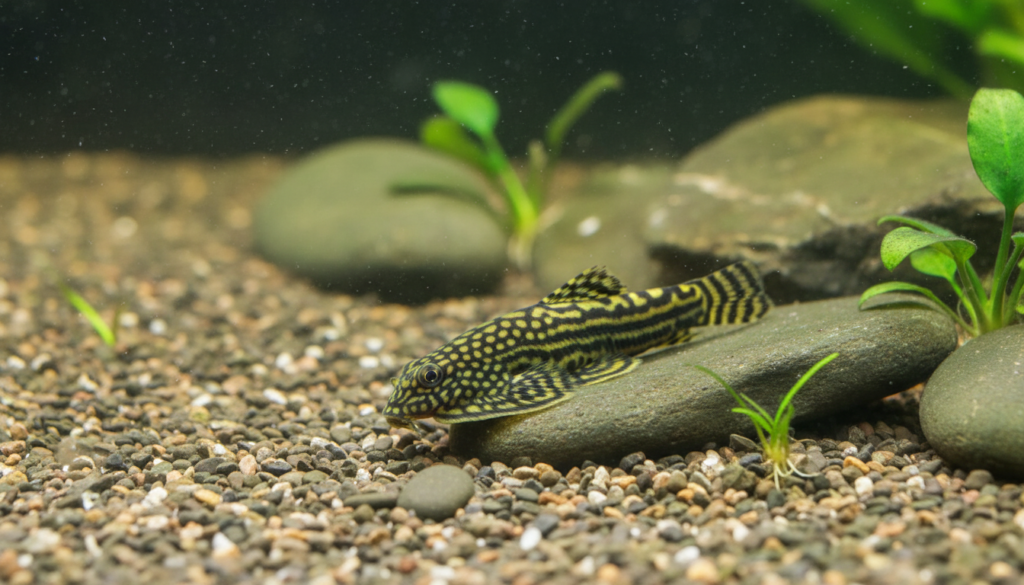
- Dwarf Chain Loach (Ambastaia sidthimunki) — Small and schooling, with a delicate chain pattern. These loaches are shy alone but very active in groups of six or more. They’re great for shrimp tanks if well-fed, but don’t expect them to ignore baby shrimp entirely.
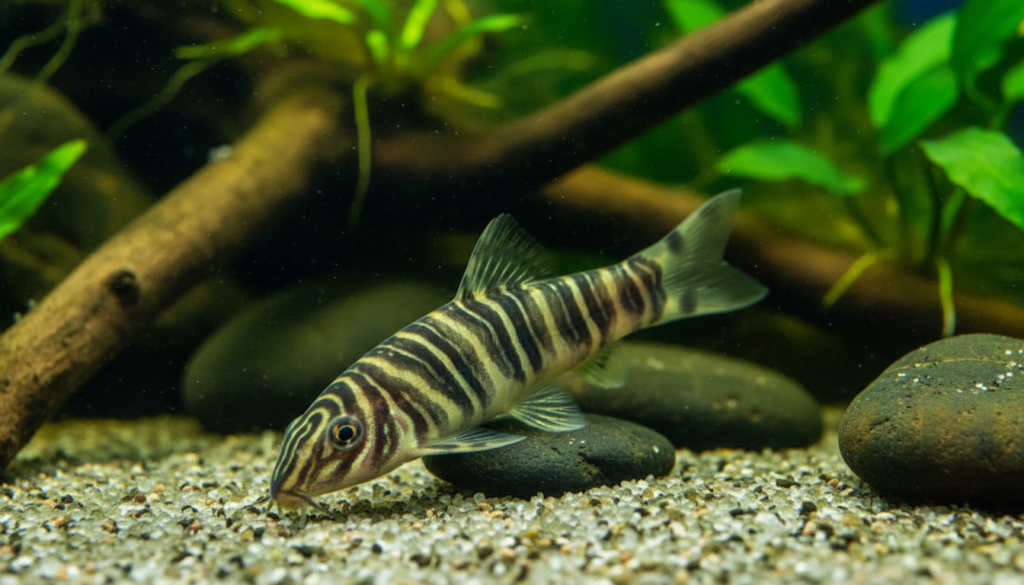
- Zebra Loach (Botia striata) — Sleek, zebra-striped, and hardy. Zebra loaches are slightly more tolerant of cooler water than tropical species, and their curious nature makes them fun to watch. Keep at least four; they become bolder as they settle in.
- Hillstream Loach (Sewellia spp. and others) — An entirely different silhouette: flattened bodies adapted to fast-flowing streams. Hillstream loaches are perfect for high-flow, well-oxygenated tanks and enjoy grazing on algae. They prefer cooler water and abundant smooth stones to cling to.
- Penguin/Yo-Yo Loach (Botia kubotai) — Sometimes called the Yoyo botia as well, this species is mischevious and very social. They keep aquarium life lively and are known to “sneak” food from other fish.
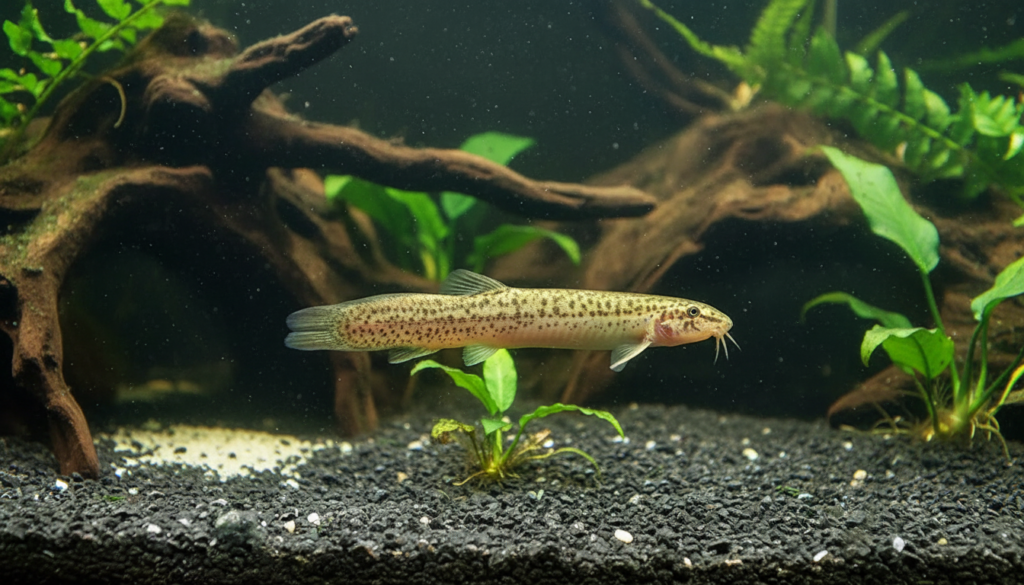
- Weather Loach (Misgurnus anguillicaudatus) — Also called dojo loach, they respond to barometric changes and become more active before storms — a quirky trait that made them popular in old-school aquaria. They’re cold-tolerant and can be kept outdoors in temperate climates.
Choosing tank setup for Loach species
Setting up a tank for loaches is about more than water parameters. While pH and hardness matter for some species, I find that structure and hiding places drive their well-being. Loach species need soft substrate for sifting (fine sand is ideal), caves or clay pipes to disappear into, and gentle to moderate flow depending on the species. For hillstream types give noticeable flow and flat stones; for clown or yoyo loaches provide taller caves and driftwood.
Water and feeding tips for Loach species
Most loaches appreciate clean, well-oxygenated water. Regular water changes and good filtration are non-negotiable. Feeding wise, loach species are omnivorous — a varied diet wins. Sinking pellets, frozen bloodworms, blanched vegetables, and occasional live foods will keep them plump and active. I always throw in a piece of zucchini or cucumber every few days; it’s a simple way to encourage grazing and to supplement plant matter. For algae-eating loaches, supplement with algae wafers and scrubbed surfaces so they have a steady grazing buffet.
Compatibility and tankmates
Loaches can be social with other peaceful community fish, but there are caveats. Many loach species do best in conspecific groups; they are often shy and develop the most interesting behaviors when kept with their own kind. Avoid tiny, delicate fish if you’re housing larger loaches like clown loaches. Also beware of fin-nipping tendencies — some loaches will pick at long-finned tankmates when stressed or bored. I once lost a pleco to an assertive group of yoyo loaches that took to exploring fins as interesting textures.
Breeding and lifecycle notes
Breeding loaches ranges from straightforward to obscure. Weather loaches and some botias have been bred in captivity with seasonal cues and increased water flow, but many species rarely spawn outside specialist setups. For most hobbyists, observing immature courtship behavior or finding fry can be a thrilling surprise. If you’re attempting breeding, mimic rainy season cues: slightly cooler water, soft rinses of fresh water, and added live foods can trigger spawning in certain species.
Conservation and ethical buying
Not all loach species are sustainably wild-collected. Some hillstream and rare botias come from sensitive habitats and are under conservation pressure. When possible, buy captive-bred fish and ask your retailer about the source. I favor suppliers who label captive-bred specimens — the color and health of captive-bred loaches often surpass wild-caught, and you’re reducing demand for destructive collection methods.
Common mistakes and how to avoid them
Two mistakes I see repeatedly: keeping loaches alone, and underestimating adult size. A single clown loach in a 40-gallon tank is a common mistake that becomes costly and sad. Another error is skimping on hiding spots; loach species will become reclusive and stressed without cover. Fix these by planning groups, sizing tanks conservatively, and building a diverse aquascape with caves, driftwood, and plant cover.
FAQ
- Q: How many loaches should I keep together?A: Most loach species are social — groups of 4–8 are common recommendations. Smaller species like chain loaches prefer larger schools, whereas larger species like clown loaches can be content in smaller groups but still need space.
- Q: Do loaches eat snails?A: Some loach species will eat snails (e.g., some botias), but results vary. If you rely on a loach to control a snail outbreak, don’t expect a complete solution — combine with manual removal and improved maintenance.
- Q: Can loaches live with shrimp?A: It depends on the species and tank setup. Small, peaceful loaches kept well-fed may coexist with adult shrimp, but many loaches will prey on baby shrimp. Provide plenty of hiding spots for shrimp to increase survival.
- Q: What water temperature do loaches prefer?A: Temperatures vary by species. Hillstream loaches like cooler, well-oxygenated water (68–74°F), while tropical botias and clown loaches prefer warmer conditions (75–82°F). Check species-specific needs and avoid extremes.
- Q: Are loaches noisy or disruptive?A: Not in a literal sense, but loaches can be disruptive to delicate aquascapes — they love to rearrange loose substrates and may dislodge plants if not stabilized. Use heavier stones or plant in pots to anchor delicate species.
Conclusion
Loach species bring personality, utility, and often delightful antics to an aquarium. Whether you want a playful clown loach that grows into an aquarium celebrity, a shoal of chain loaches that dances along the substrate, or a hillstream specialist gliding across rocks, there’s a loach to fit many setups. My single best tip: learn the adult size and social needs before buying, and prioritize group housing and structured tanks. Do that, and you’ll have loaches that are not just fish but daily sources of small aquatic theatre.