Rose Danio Guide: Care, Feeding, Breeding Tips
General information
Rose Danio is a compact, elegant cyprinid that blends lively schooling behavior with soft rosy coloration, making it a favorite for both beginners and experienced aquarists who want a splash of subtle color. Native to parts of Southeast Asia, this fish offers energetic displays without demanding a huge tank footprint. If planning a community micro-scape or a biotope corner, the Rose Danio delivers activity, personality, and dependability.
Expect the Rose Danio to occupy the mid to upper water column, dashing in small groups and investigating plant tips or floating cover. It is helpful to think of the Rose Danio as a social thermometer: their mood and health show in body sheen and schooling tightness. Rapid changes in behavior or a frayed dorsal edge usually signal water quality or social issues.
Unique fact: certain localized populations of Rose Danio can show faint lateral striping or an iridescent sheen that appears almost lavender in early morning light—an effect prized by hobbyists aiming for dynamic daytime displays.
Appearance
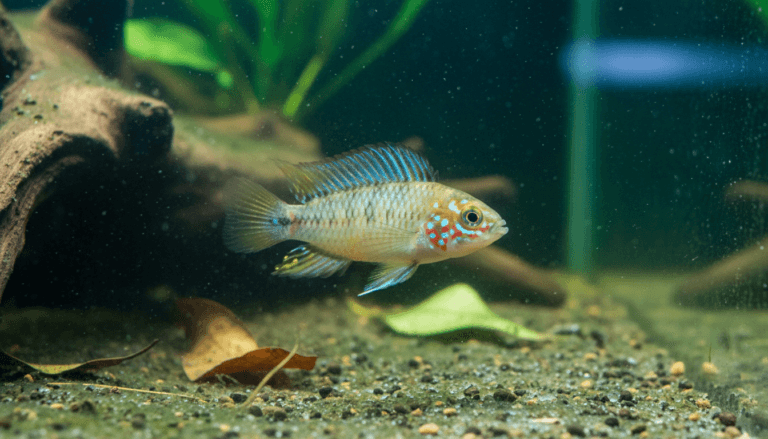
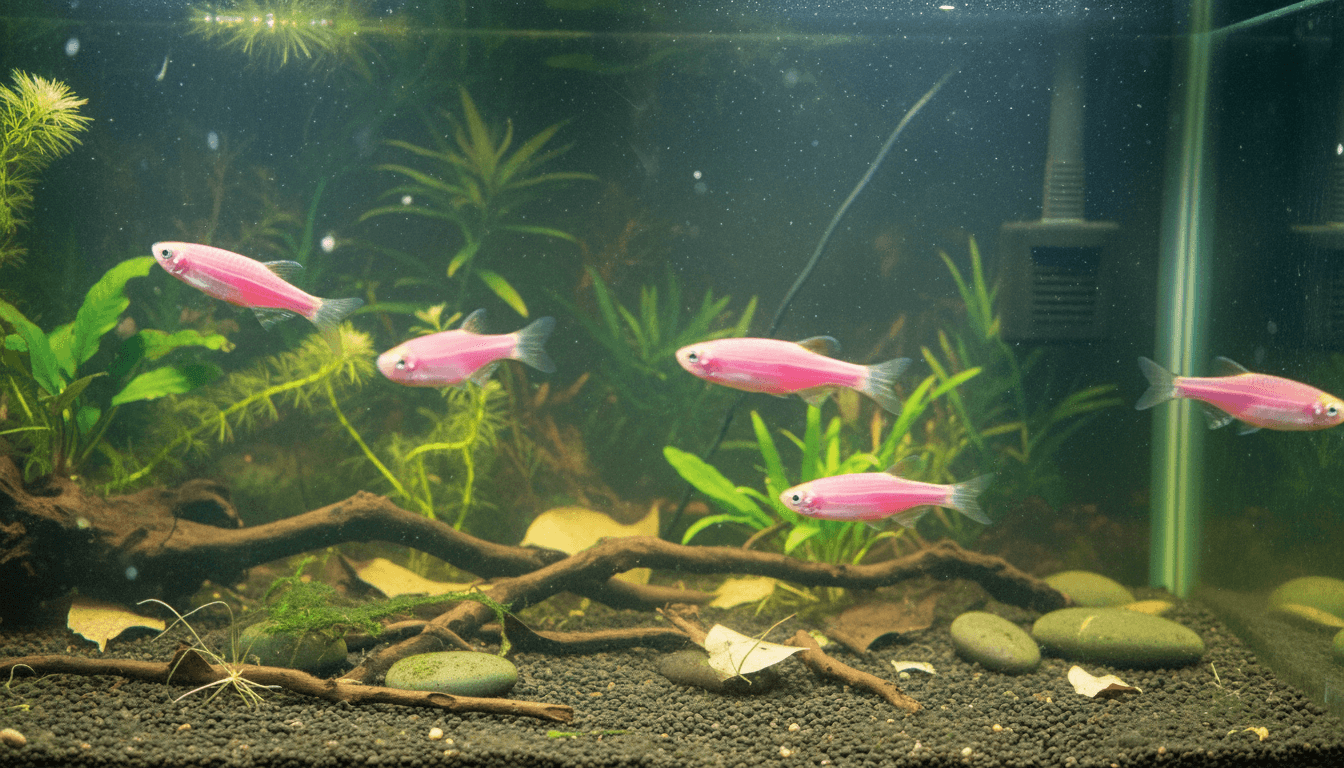
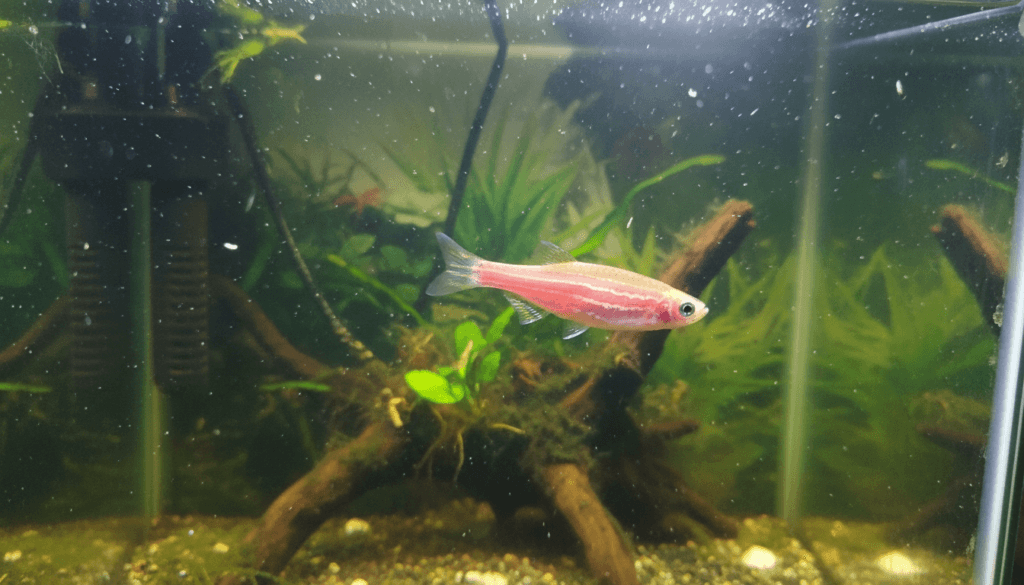
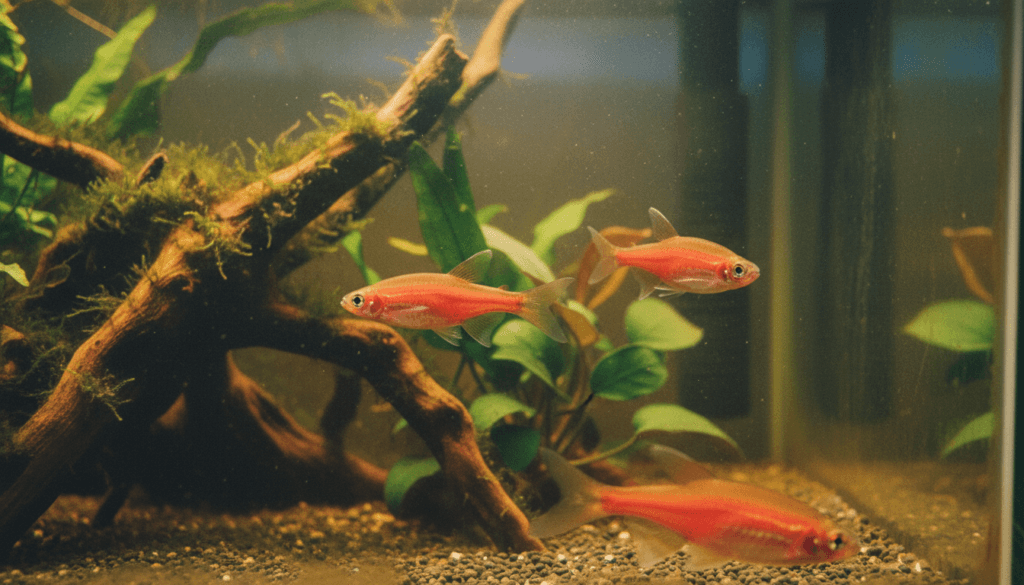
Rose Danio displays a delicate rose-pink to pale salmon body, often with a silvery undercast and subtle iridescence along the flank. Small, streamlined, and usually reaching around 3–4 cm (1.2–1.6 inches), the Rose Danio has a torpedo-shaped silhouette that supports quick, schooling movement.
Fin shape tends to be modest—rounded dorsal and forked caudal fins that flash when the fish accelerates. Males sometimes appear slightly slimmer and brighter than females, and gravid females show a softer belly contour. Color intensity can vary with mood, diet, and breeding condition: high-quality protein and live foods often deepen the rose hue.
Unusual detail: under low, reddish aquarium lighting the Rose Danio’s pink tones can appear amplified, giving the school a warm glow that complements tan driftwood and deep-green planted backgrounds. This makes them a useful aesthetic element in warm-toned aquascapes.
Habitat
In the wild, Rose Danio inhabits slow-moving streams, shaded pools, and marginal zones of larger rivers. Water tends to be tannin-stained, with leaf litter, submerged roots, and abundant aquatic vegetation. Replicating those conditions in the aquarium encourages natural behavior and enhances color.
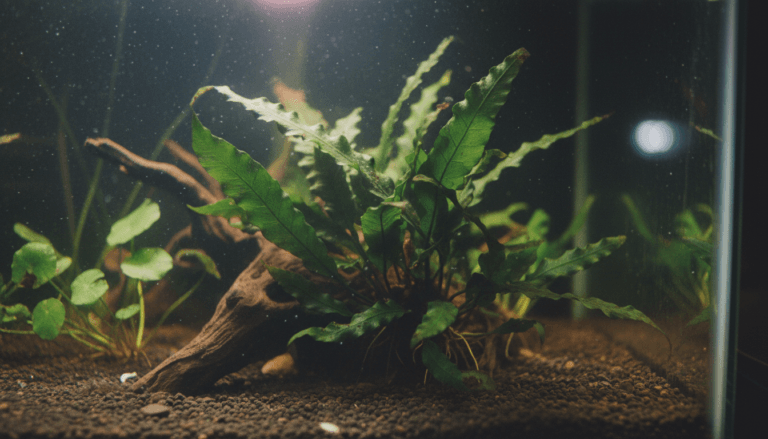
Recreating a biotope for Rose Danio benefits from soft substrate, scattered leaf litter, and fine-rooted plants like Cryptocoryne and Vallisneria. Occasional areas of open water allow energetic schooling, while low-light, sheltered pockets provide resting places. Many aquarists use Indian almond leaves or alder cones to simulate natural tannins and mild pH buffering that these fish appreciate.
Сare and maintenance
- Water parameters
Temperature: 22–26°C (72–79°F). pH: 6.0–7.5, with 6.5 often ideal. General hardness (GH): 2–12 dGH. Rose Danio tolerates a reasonable range but shows best coloration and breeding activity in moderately soft, slightly acidic to neutral water with stable readings. Avoid rapid swings; stability is more important than hitting a single “perfect” number.
- Tank size
Minimum volume: 40 liters (10 gallons). Recommended dimensions: length > height (e.g., 60 cm/24 in length over 30–35 cm/12–14 in height) to allow horizontal schooling. While tiny nano setups can house a very small school, a longer footprint ensures more natural behavior and reduces stress in shy individuals.
- Filtration and water flow
Filter type: sponge filter, hang-on-back (HOB), or canister with mechanical and biological media. Preferred flow intensity: low to moderate. Strong currents can stress Rose Danio; provide calmer pockets by directing outflow towards a rock or planting area. Sponge filters are excellent for fry rearing and gentle circulation.
- Substrate and decor
Substrate type: fine sand or smooth gravel; darker substrates enhance color contrast. Include driftwood, smooth rocks, and leaf litter to create microhabitats. Dense planting with mid-to-tall stems and floating plants gives cover and diffuses light; leave open swimming lanes. A scattering of alder leaves or Indian almond leaves mimics natural detritus and provides mild tannins.
- Lighting
Suggested intensity: low to moderate. Duration: 6–8 hours daily, with a gradual sunrise/sunset cycle if possible. Shade is beneficial—floating plants such as Salvinia or Riccia create dappled light and lower stress. Very bright lighting can make Rose Danio skittish and reduce visible color saturation.
- Water changes
Frequency: weekly to biweekly. Percentage: 20–30% weekly, or 30–40% biweekly. Regular partial changes maintain water chemistry and oxygenation. If a sponge filter is used and stable parameters exist, slightly reduced frequency can be acceptable, but never skip long periods without any water changes.
- Lid or cover
State whether the fish jumps and the need for a tight lid: Rose Danio may jump when startled; a tight-fitting lid with small gaps sealed is recommended. Provide floating plants to reduce stress and minimize jump attempts, but always secure electrical and filter intakes.
- Social behavior and group size
Indicate minimum group size and social structure: schooling; minimum group size 6–8 individuals. Rose Danio thrives in cohesive shoals where natural hierarchy is soft and non-aggressive. Small groups can become nervous and exhibit flash swimming or hiding.
- Additional behavioral care tips
Keep tankmates peaceful and swift rather than large and slow-moving. Rotate feeding styles between sinking and surface items to stimulate natural foraging. Observe for one or two bolder individuals that might nibble fins when stressed—adjust group size or add more hiding spots if this occurs.
Compatibility
Rose Danio is generally a peaceful community fish and pairs well with other small, non-aggressive species. Good tankmates include small cyprinids, peaceful rasboras, small tetras, Corydoras catfish, and dwarf shrimp in heavily planted tanks. Avoid larger, aggressive fin-nippers and slow-moving, long-finned species that can be stressed by quick danio movements.
Compatibility tip: choose tankmates that share similar water preferences—soft to moderately hard water and neutral to slightly acidic pH. Schools of Rose Danio can be unsettled by boisterous bottom-dwelling species that disturb substrate frequently; aim for a balance where midwater activity is the focal point.
Behavioral nuance: because Rose Danio are fast and curious, they sometimes outcompete very timid species at food time. Use multiple feeding locations and varied food types to ensure shy tankmates get access.
Feeding the Rose Danio
Diet is omnivorous and opportunistic. High-quality flake and micro-pellet diets form a solid staple. Supplement with frozen or live foods—daphnia, micro worms, and baby brine shrimp—to boost color, condition, and breeding readiness. Feed small portions 1–2 times daily, offering only what the school can consume in 1–2 minutes to avoid water fouling.
Feeding strategy: alternate protein-rich meals with vegetable-rich fare (spirulina flakes, mashed blanched spinach) to maintain a balanced gut microbiome. Observant feeding also reveals hierarchy: if a few fish consistently dominate, add dispersed feed locations or scatterers to reduce aggression during mealtimes.
Unusual tip: occasional live blackworm servings elicit courtship behavior and can trigger spawning within 24–48 hours; use these sparingly as a nutritional boost and breeding cue.
Reproduction
Rose Danio are egg scatterers with minimal parental care; adults do not protect eggs and may eat them. To breed successfully, prepare a dedicated breeding tank with fine-leaf plants, Java moss, or a mesh false floor to protect eggs from adults. Slightly softer, cooler water (22–24°C / 72–75°F) and higher oxygenation improves egg survival and stimulates spawning.
Procedure: condition males and females on high-protein live foods for 1–2 weeks, then move a group of conditioned fish into the breeding tank in the evening. Spawning usually occurs at dawn with multiple pairs or the entire group participating. Remove adults immediately after spawning or provide a dense moss bed where eggs can fall out of reach.
Egg care: eggs hatch in 24–48 hours depending on temperature. Feed newly hatched fry infusoria or commercial liquid fry food for the first 3–5 days, then transition to baby brine shrimp and finely crushed flake. Maintain pristine water with gentle filtration (sponge filter) and small, frequent water changes to maximize survival.
Interesting breeding note: Rose Danio fry can show a faint pink blush even before full coloration develops; selective rearing under slightly softer water can enhance this trait in captive lines over successive generations.