Black Molly Care: Secrets for Thriving Livebearer
General information
Black Molly are a striking and adaptable group of livebearing poeciliids often chosen by aquarists who want bold color and lively behavior without a lot of fuss. If a low-maintenance, interactive fish with personality is the goal, Black Molly fit the bill: hardy, social, and quick to breed. This guide covers actionable care instructions, uncommon facts, and practical tips so that every Black Molly in a home aquarium can thrive rather than merely survive.
Appearance
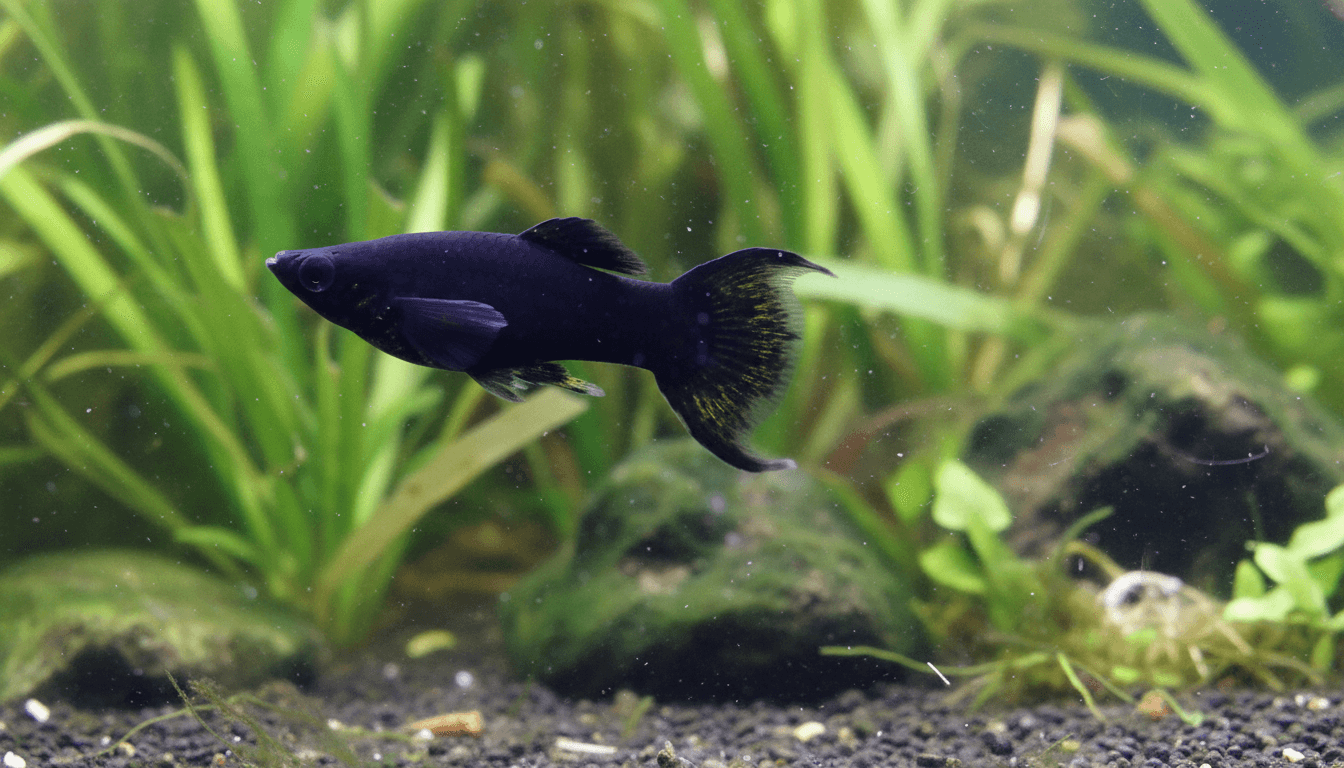
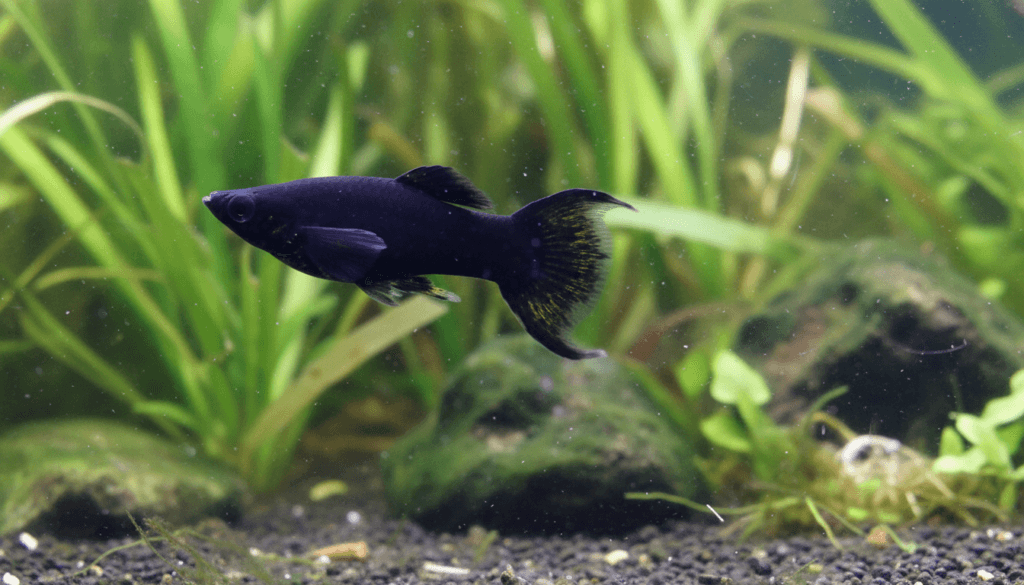
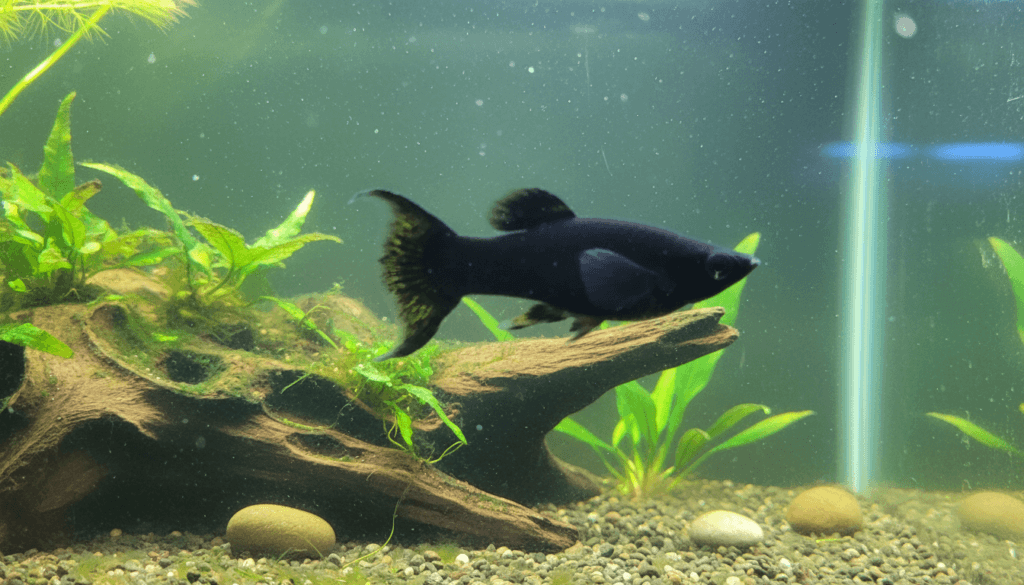
Black Molly presents as a deep, glossy black when healthy, but not every specimen is identical. The color results from a strong melanistic trait that can be expressed in different intensities depending on genetics and lighting. Some Black Molly display a charcoal sheen, others show velvet-black scales with subtle iridescence under specific light angles. Fin shape varies: common molly-type fins, sword-tails from hybrid lines, and the elongated fan of sailfin varieties are all possible within tanks labeled simply as Black Molly.
Adult Black Molly typically measure 4–10 cm (1.5–4 in) depending on variety and sex; females are larger and rounder, while males are slimmer and sport the modified anal fin called a gonopodium. Juveniles often show mottled dark patches before settling into a uniform black as pigment cells proliferate. Watch for scale sheen and eye clarity as quick health indicators: a glossy, evenly colored body and bright eyes usually mean good condition.
Habitat
In the wild, the ancestors of modern Black Molly occupied coastal streams, estuaries, and brackish lagoons from Mexico down through Central America. That heritage explains a key trait: tolerance for a range of salinities. Many Black Molly kept in freshwater thrive, but adding marine salt at low concentrations (or keeping a gentle brackish mix) often enhances coloration and reduces susceptibility to certain parasites.
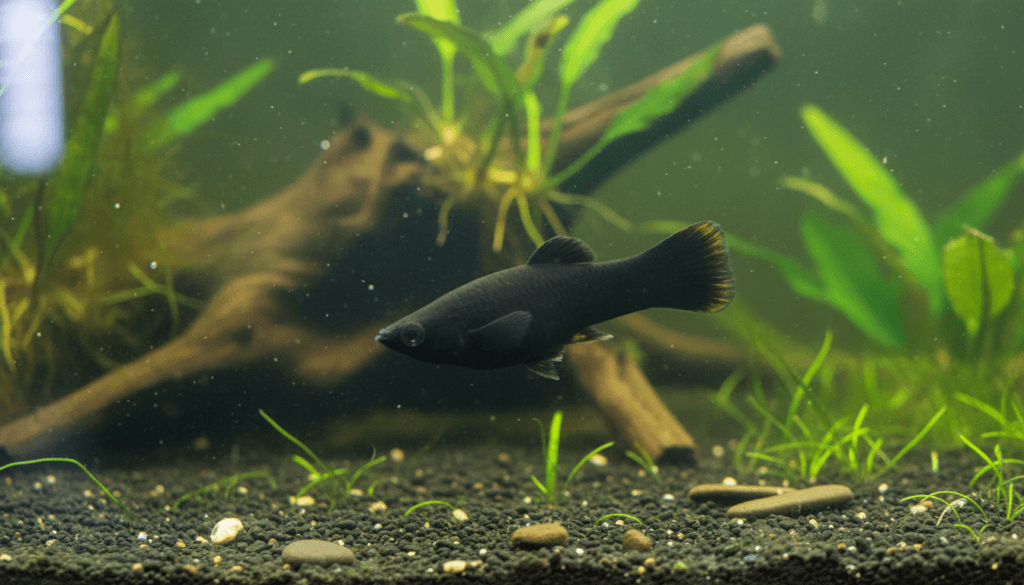
Recreate gentle shorelines in the aquarium: slow-moving water, lots of planted cover, and areas with leaf litter mimic the natural niches these fish prefer. They are surface to mid-water swimmers that appreciate open swimming lanes above a dappled substrate. Floating plants and driftwood provide shade and security; rocky caves or dense plants give shelter for timid individuals and fry.
Сare and maintenance
- Water parameters
Black Molly do best in a temperature range of 24–28°C (75–82°F), with pH between 7.5 and 8.5. General hardness (GH) should be moderately high; aim for 10–20 dGH. Slightly alkaline and mineral-rich water supports growth and enhances black pigmentation. When shifting from very soft to harder water, acclimate slowly over several days to prevent stress.
- Tank size
Minimum volume: 40 liters (10 gallons) for a small group; recommended dimensions: longer length over height — at least 60 cm (24 in) in length to provide horizontal swim space. Although juveniles might live in smaller setups, adults and breeding groups require more room to avoid aggression and poor water quality. For mixed-sex colonies or sailfin varieties, bump up to 80–120 liters (20–30 gallons).
- Filtration and water flow
Use a canister or hang-on-back filter with biological media for stable nitrification. Prefilter sponges protect fry and slow-moving individuals. Preferred flow intensity: low to moderate; avoid strong currents that force constant swimming. A gentle surface agitation helps oxygenation without exhausting the fish.
- Substrate and decor
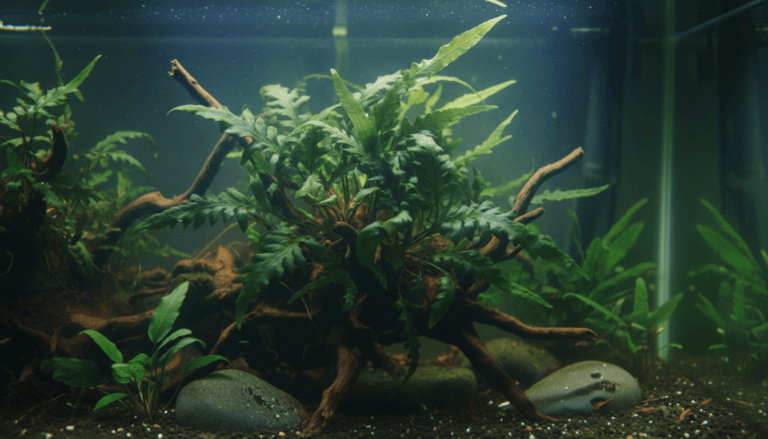
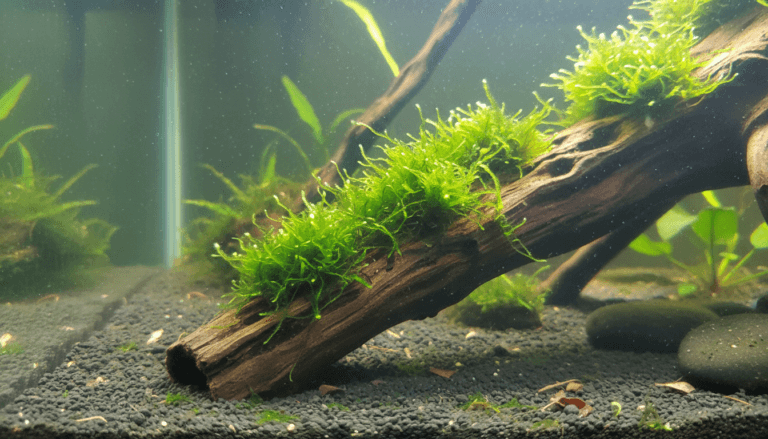
Fine gravel or sand works best; darker substrates make the Black Molly’s color pop. Add driftwood and smooth river rocks to create natural nooks. Dense planting with broad-leaf species and some floating cover is crucial; include Anubias, Java fern, and thicker-stemmed plants to mimic shaded margins. A small area of leaf litter ( Indian almond leaves or oak ) can reduce stress and introduce beneficial tannins.
- Lighting
Moderate intensity for 8–10 hours daily typically keeps plants healthy and prevents pigment bleaching. Provide shaded zones with floating plants; Black Molly appreciate dappled light rather than intense, constant illumination. Timed lighting cycles reduce stress and help maintain predictable feeding and breeding behavior.
- Water changes
Weekly water changes of 25–40% are a good practice. In heavily stocked or breeding setups, increase to twice weekly with 30% changes. Use a dechlorinator and match temperature and pH as closely as possible to avoid shocks.
- Lid or cover
Black Molly can jump, especially when startled or during feeding frenzies. Use a tight-fitting lid or canopy with small ventilation gaps to prevent escapes. A gapless lid is especially useful in racks or rooms with drafts or pets.
- Social behavior and group size
Minimum group size: 6 individuals to distribute male attention and reduce stress on females. Social structure: loosely schooling with no strict hierarchies, but males can harass females if outnumbered. Maintain a ratio of at least two to three females per male to protect females from constant pursuit.
- Additional behavioral care tips
Provide hiding pockets for pregnant females and fry. Rotate decorations occasionally to prevent territorial fixation and to stimulate exploration. If aggression increases, temporarily separate the most aggressive male or add more plants and visual barriers to diffuse interactions.
Compatibility
Black Molly are community-friendly but not universally compatible. Peaceful tankmates such as small tetras, rasboras, platies, and non-aggressive gouramis generally work well. Avoid fin-nipping cyprinids like tiger barbs and very boisterous cichlids. Because Black Molly tolerate brackish conditions, full-marine species are not suitable, but other brackish-tolerant livebearers can be mixed cautiously.
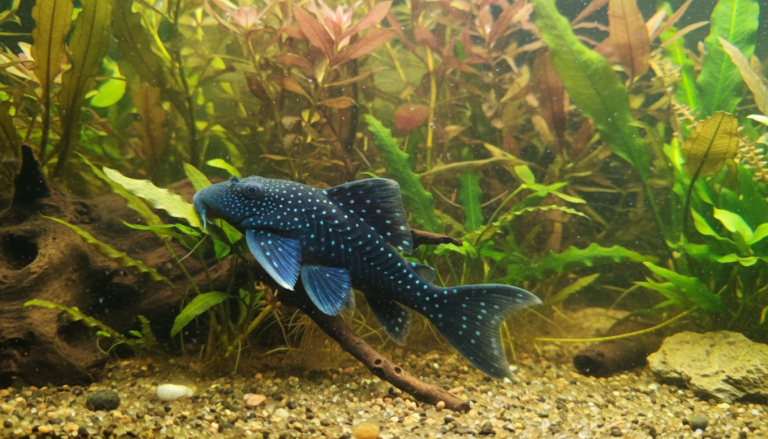
When selecting companions, prioritize similar water-parameter needs: alkaline, moderately hard water. Bottom-dwelling catfish such as Corydoras can be excellent additions, though ensure the substrate and water chemistry suit both groups. Shrimp and delicate snails may be harassed or eaten; treat invertebrates as conditional companions rather than guaranteed mates.
Feeding the Black Molly
Black Molly are omnivores with a plant-forward preference. Provide a varied diet including high-quality flake or pellet food, supplemented with vegetable matter like blanched spinach, zucchini, or spirulina-based flakes. Occasional live or frozen treats—brine shrimp, daphnia, and micro-worms—support growth and coloration, but should not dominate the menu.
Feed small portions 1–2 times daily, ensuring all food is consumed within two minutes to avoid water fouling. For optimal black pigment, include chlorophyll-rich vegetables and spirulina. During pregnancy, increase feeding frequency slightly and offer protein-rich live foods to support fry development. Overfeeding leads to bloating and poor water quality; keep feedings controlled and observe for residual food.
Reproduction
Black Molly reproduce as livebearers, which means fry hatch internally and swim free as fully formed miniature fish. Breeding is straightforward: males transfer sperm with the gonopodium and females can store sperm, producing multiple broods from one mating. Gestation lasts roughly 4–6 weeks depending on temperature and nutrition.
To give fry the best survival odds, either provide heavy planting and refuges in the main tank or move pregnant females to a breeder tank. Newborn fry are about 6–10 mm; feed newly free-swimming fry with infusoria or commercially available fry food until large enough for microworms and crushed flake.
Selective breeding can intensify color and fin shape, but avoid inbreeding over several generations as it increases deformities and reduces vitality. If keeping both sailfin and short-finned varieties, expect mixed offspring with a range of fin shapes and black pigmentation; careful selection over generations produces stable strains.
Uncommon but useful tip: adding a pinch of aquarium salt (around 1–2 g/L) during breeding seasons often reduces fungal infections in fry and can heighten contrast in adult pigmentation. Use salt cautiously and only when all tankmates tolerate higher salinity.
Black Molly are rewarding, energetic, and flexible fish that respond well to thoughtful husbandry. With stable alkaline water, varied diet, space to swim, and plenty of plant cover, these livebearers will display their best color, behavior, and reproductive prowess. Keep an eye on water chemistry, manage male-to-female ratios, and provide refuges—those few practical steps will yield a vibrant community aquarium full of striking Black Molly.