Bala Shark Care Guide: Tank, Diet, Compatibility
General information
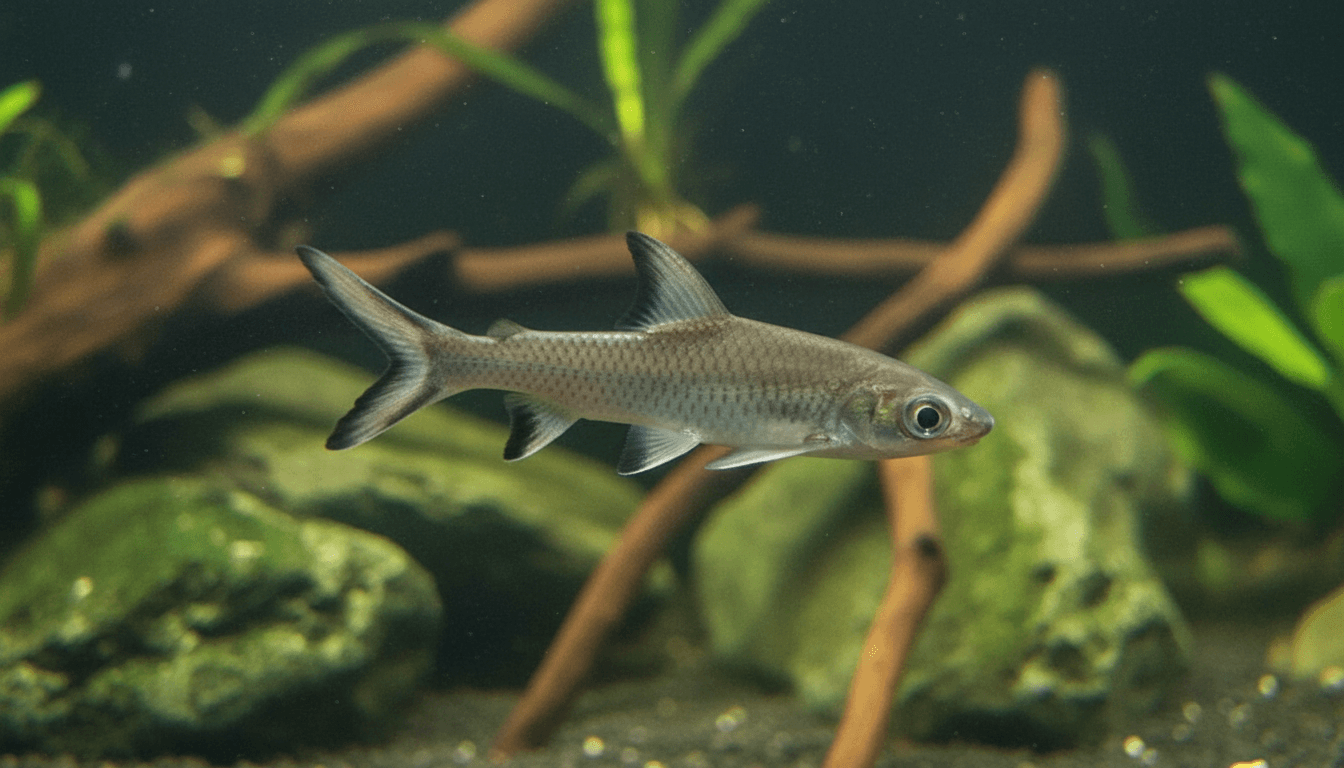
The Bala Shark (Balantiocheilos melanopterus) is a large, schooling cyprinid prized for its sleek, torpedo-shaped body and high-contrast fins. You will notice a peaceful temperament in the right conditions, but size and schooling needs make this species a commitment. The name “shark” is a misnomer; this is not a predator but a midwater grazer and omnivore that can reach roughly 30–35 cm (12–14 inches) in captivity.

Wild populations face pressure from habitat change and collection, so sourcing captive-bred specimens is recommended where possible. The fish’s silver body with black-edged fins gives dramatic motion in a large aquarium, and schooling behavior is key to maintaining confidence and natural activity.
Appearance
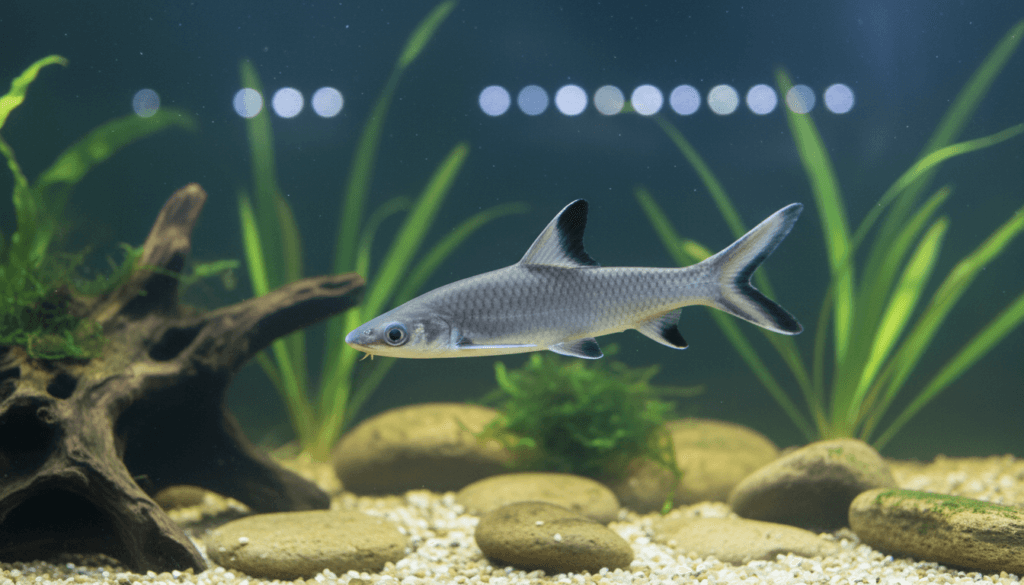
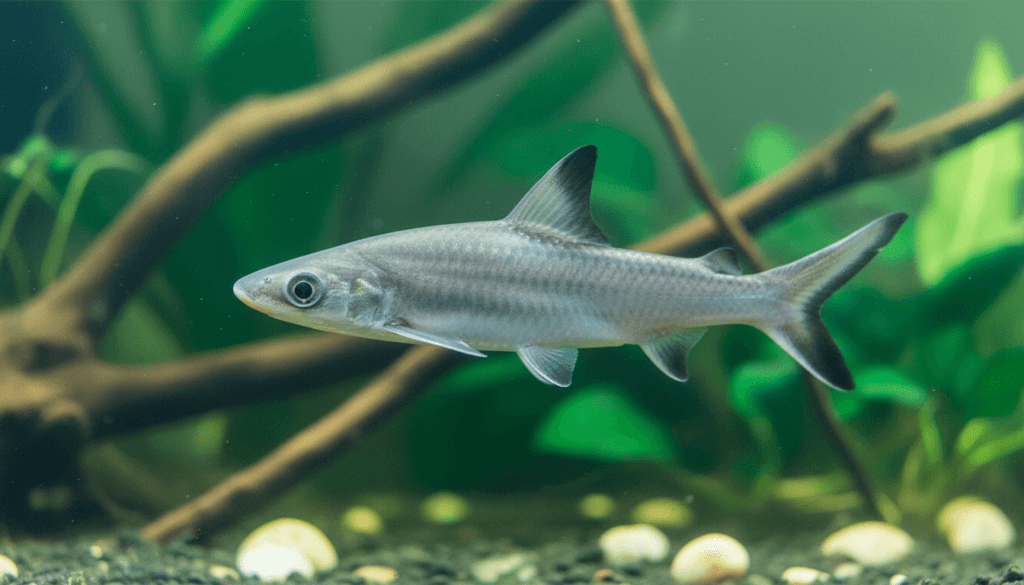
Streamlined and deep-bodied, the Bala Shark has a distinctly forked caudal fin and tall dorsal and anal fins that show bold black margins. Juveniles often appear more compressed with proportionally larger eyes. Look for:
- Body color: metallic silver
- Fin edges: black on dorsal, caudal, anal, and pelvic fins
- Size at maturity: about 30–35 cm (12–14 in)
- Sexual dimorphism: males may be slightly slimmer and show more intense fin contrast during spawning season
Habitat
Native range includes large rivers and lowland lakes of Southeast Asia, especially the Malay Peninsula, Sumatra, and Borneo. In the wild this species inhabits open, well-oxygenated waters with moderate currents and scattered submerged vegetation. Replicating that sense of open midwater space with strong water quality and good oxygenation will mimic the natural environment most effectively.
Сare and maintenance
Water parameters
| Parameter | Recommended range |
|---|---|
| Temperature | 24–28 °C (75–82 °F) |
| pH | 6.5–7.5 |
| General hardness (GH) | 5–15 dGH |
Keep temperature stable within the listed range. Bala Shark tolerates neutral to slightly acidic water but does not like rapid swings in pH or hardness. Oxygenation is essential; ensure surface agitation from filters or powerheads. If local tap water is very soft or very hard, use RO water mixed with tap to reach the target GH level rather than making large instant changes.
Tank size
| Parameter | Recommended value |
|---|---|
| Minimum volume | 200 liters / 50 gallons (minimum single specimen); 500+ liters / 130+ gallons recommended for a proper school |
| Recommended dimensions | Length over height: prioritize length; at least 150 cm (60 in) long by 45–60 cm (18–24 in) high |
Do not underestimate the need for horizontal swimming space. A 200-liter tank might temporarily hold a juvenile, but a true adult school needs a significantly larger system. When planning, prioritize length so fish can cruise without frequently turning.
Filtration and water flow
Use a high-capacity canister filter or a sump with mechanical, biological, and chemical stages. Aim to turn over the tank volume 6–10 times per hour for adults; juveniles can tolerate slightly lower turnover during acclimation. Flow should be moderate—noticeable current that creates open-water swimming lanes without blasting fish into decor. A pre-filter sponge on the intake protects fry and reduces suction on fins.
Substrate and decor
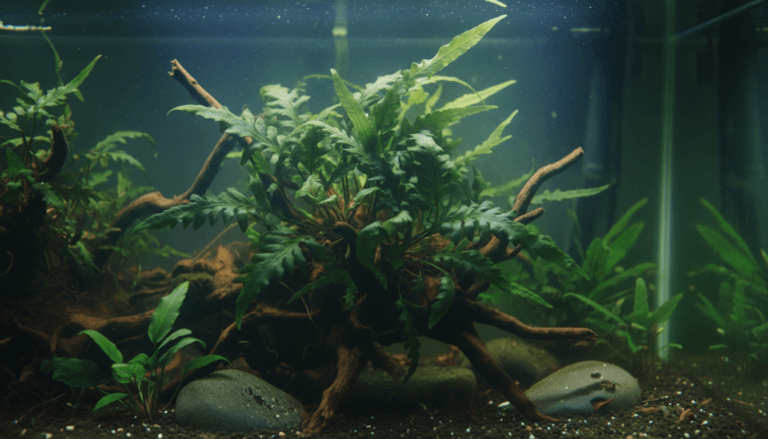
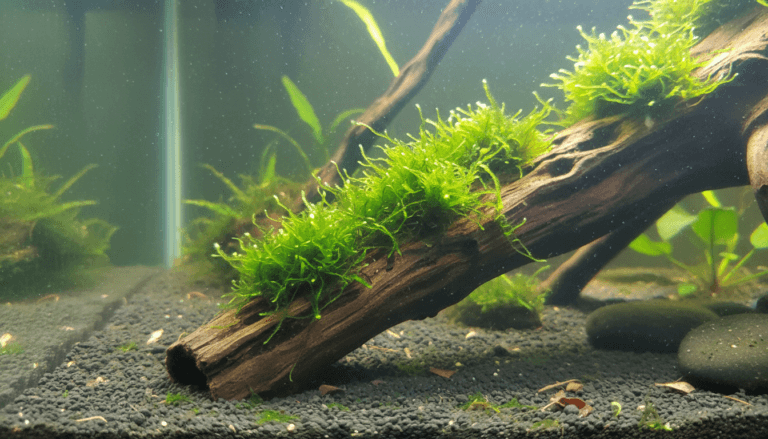
Open midwater is the priority. Choose a smooth gravel or sand substrate to simplify cleaning. Include driftwood and rounded river rocks to create sightlines and break strong currents. Use tall background plants such as Vallisneria, Cryptocoryne, or Sagittaria to provide vertical structure while keeping the central swimming area open. Floating plants like Salvinia or Limnobium can offer shade and diffuse bright lighting.
Lighting
Moderate lighting—about 0.5–1 W per liter equivalent with LED fixtures—is ideal; duration of 8–10 hours per day mimics natural photoperiods. Provide areas of shade with floating plants or overhangs. Too-intense lighting stresses Bala Sharks, triggering skittish behavior; filtered, indirect light yields calmer fish.
Water changes
Perform regular partial water changes of 25–40% every 1–2 weeks depending on bioload. For heavily stocked or large schools, weekly 30–40% changes help keep ammonia and nitrate in check. When doing changes, match temperature and pH closely and add water slowly to avoid shocking the fish.
Social behavior and group size
Minimum group size: 5–6 individuals for stable schooling behavior; larger groups are better. Bala Sharks are schooling fish and display more natural, confident behavior in groups. In small numbers fish tend to be stressed, hide, or show timidness. There is no strict territorial aggression, but dominant individuals may chase weaker schoolmates temporarily.
Additional behavioral care tips
- Provide a mix of open water and visual cover so shy individuals can escape momentarily.
- A sudden rearrangement of decor often triggers stress; move items gradually and keep swimming lanes clear while fish adjust.
- Use a secure lid; Bala Sharks are active swimmers and can jump when frightened.
- When introducing new fish to a community tank, quarantine for 2–4 weeks to avoid transmitting parasites that will stress Bala Sharks.
Compatibility
| Tankmate | Compatible or not | Note |
|---|---|---|
| Other Bala Sharks (same size) | Compatible | Best kept in groups of 5–10 to reduce stress and promote schooling |
| Rainbowfish (Melanotaeniidae) | Compatible | Similar activity level and water needs; choose larger species like Boesemani |
| Silver Dollar (Metynnis spp.) | Compatible | Peaceful midwater herbivores that occupy the same swim zone |
| Large peaceful barbs (e.g., Barbus spp.) | Compatible | Avoid small, nippy barbs; choose similarly sized, calm barbs |
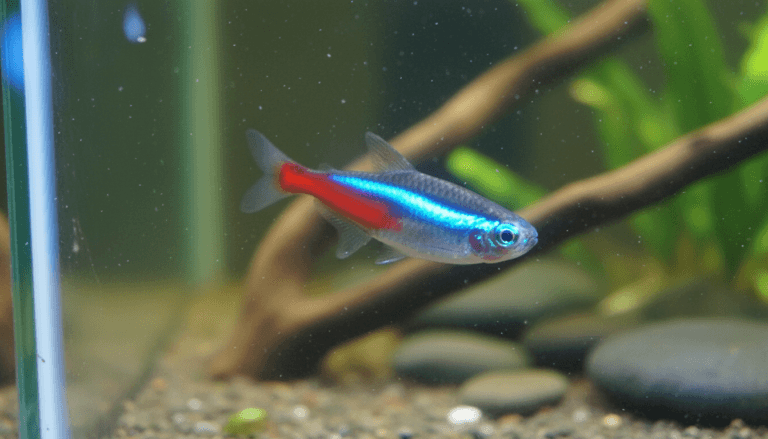
| Small tetras (Neon, Cardinal) | Not recommended | Risk of being outcompeted for food and eaten when Bala Sharks reach adult size |
| Betta and long-finned fish | Not recommended | Active Bala Sharks may nip fins; bets do poorly with large, fast swimmers |
| Large cichlids (aggressive) | Not compatible | Aggressive cichlids may bully or injure Bala Sharks |
| Bottom-dwelling catfish (Plecos, larger Corydoras) | Compatible | Make good tankmates if tank is large and oxygenation is good |
Feeding the Bala Shark
Dietary flexibility is one advantage. Bala Sharks accept a mix of high-quality flakes, sinking pellets, and a variety of frozen and live foods. Aim for a balanced mix to support growth and color.
- Staples: high-protein tropical pellets and flakes formulated for omnivores
- Frozen/live: bloodworms, brine shrimp, daphnia, mysis shrimp for variety and protein boost
- Vegetable matter: blanched zucchini, peas, spinach, or spirulina-based flakes to add fiber
- Feeding frequency: 1–2 times daily; offer only what is consumed within 2–3 minutes
For juveniles, feed smaller portions 3 times daily to support rapid growth. Avoid overfeeding; leftover food quickly degrades water quality. If aiming for bulk growth, use high-protein pellets during juvenile stages and taper protein in adults to maintain good body condition without excess waste.
Reproduction
Breeding Bala Sharks in a home aquarium is uncommon and challenging. The species is an egg-scatterer; spawning typically occurs in large, seasonal rivers in the wild and is often triggered by flooding and temperature shifts. Captive breeding has been achieved mainly by commercial breeders or with hormone injections in controlled conditions.
If attempting breeding as a hobbyist, consider these practical points:
- Use a large breeding tank (200+ liters) with fine-leaved plants or a mesh/gravel substrate that allows eggs to fall out of reach of adults
- Simulate seasonal change by slightly lowering temperature for a few weeks then raising it 2–3 °C to mimic rainy-season warming
- Remove adults immediately after spawning to protect eggs; Bala Sharks do not guard eggs
- Fry require very small first foods: infusoria or commercially available liquid fry foods, then progress to newly hatched Artemia and finely crushed flake
Realistic expectation: success requires experience or collaboration with a breeder. For most hobbyists, purchasing captive-bred juveniles is the practical route.
FAQ
Can Bala Sharks live with goldfish?
Not recommended. Goldfish prefer cooler water and produce heavy bioload; Bala Sharks need warmer temperatures and more oxygenation.
How big will a Bala Shark get in a home aquarium?
Adults typically reach 30–35 cm (12–14 inches). Growth depends on genetics, diet, and tank size.
Are Bala Sharks jumpers?
Yes. Provide a secure lid because Bala Sharks can leap when startled or while exploring.
Is this fish suitable for beginners?
Only if the beginner is ready for a large tank commitment. Juveniles may appear easy to keep, but adult size, schooling needs, and water-quality demands make Bala Shark a better match for those prepared to maintain a large, well-filtered aquarium.