Neon Tetra Care Guide: How many neon tetras in a 10 gallon tank
General information
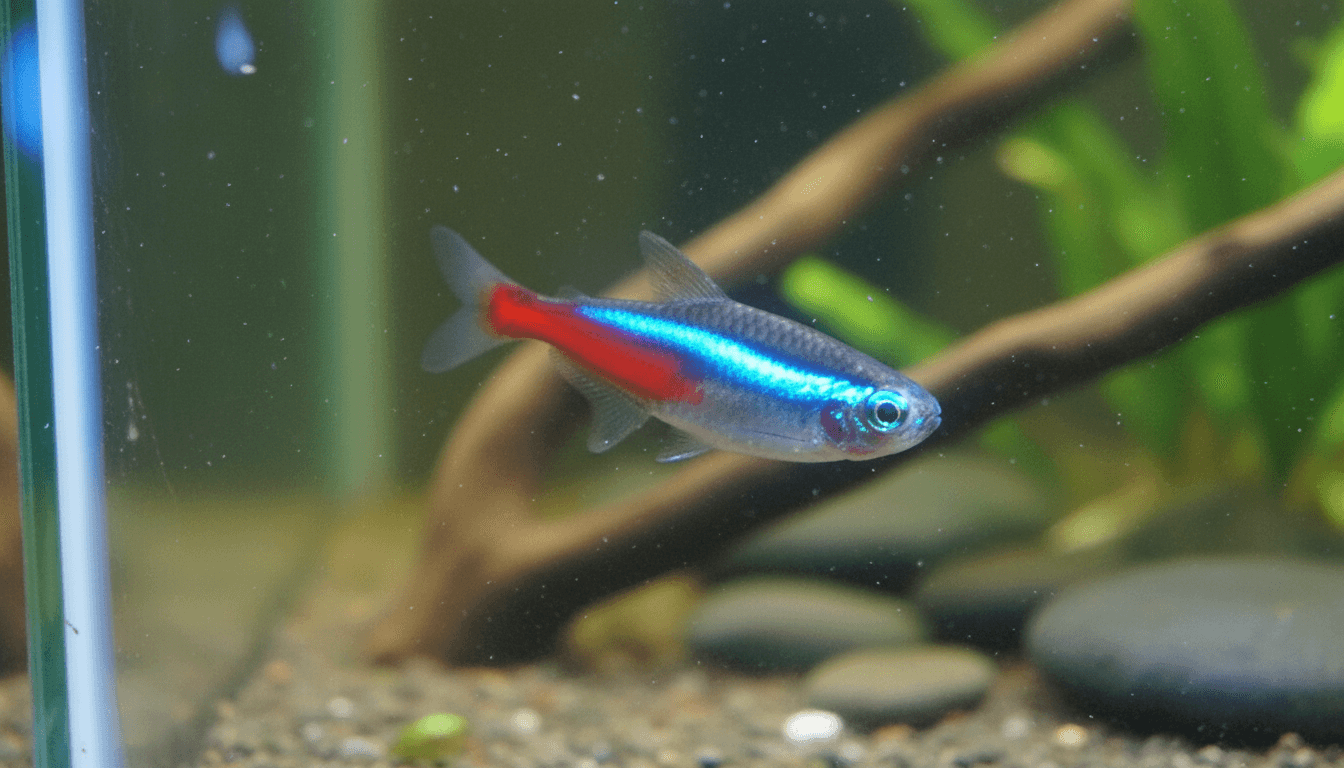
The Neon Tetra is one of the most iconic freshwater aquarium fish and a brilliant choice when creating a shimmering centerpiece in community tanks. Neon Tetra are small schooling characins originally from the clear, tannin-stained streams of South America. Their electric blue lateral stripe and neon-red belly make a moving ribbon of color that reacts to lighting, water quality, and social environment.
Because of their sensitivity and schooling instincts, keeping Neon Tetra healthy requires attention to water chemistry, gentle filtration, and suitable tankmates. The Neon Tetra remains a top pick for both beginners looking for a forgiving, peaceful species and advanced hobbyists aiming for biotope authenticity.
Appearance
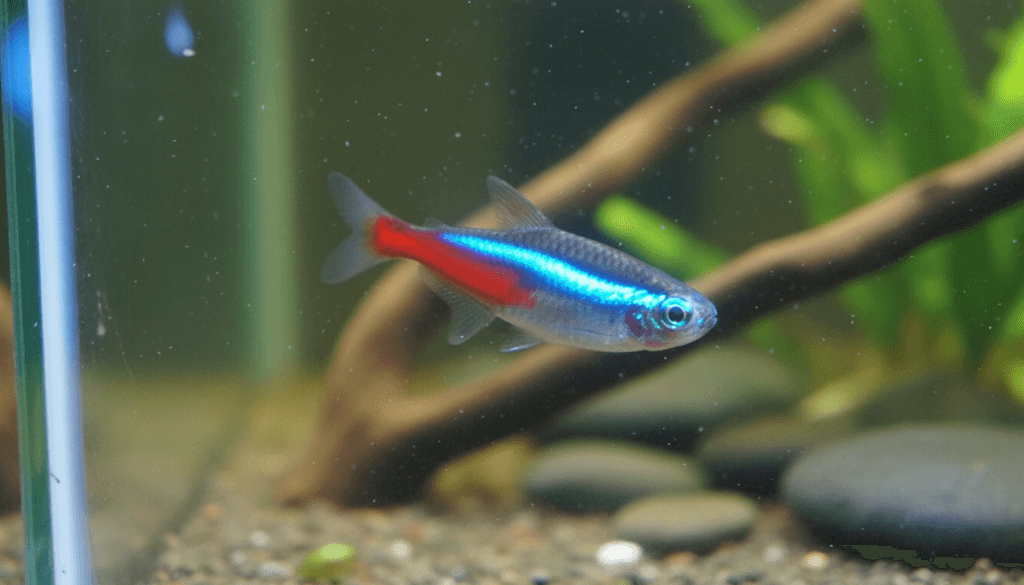
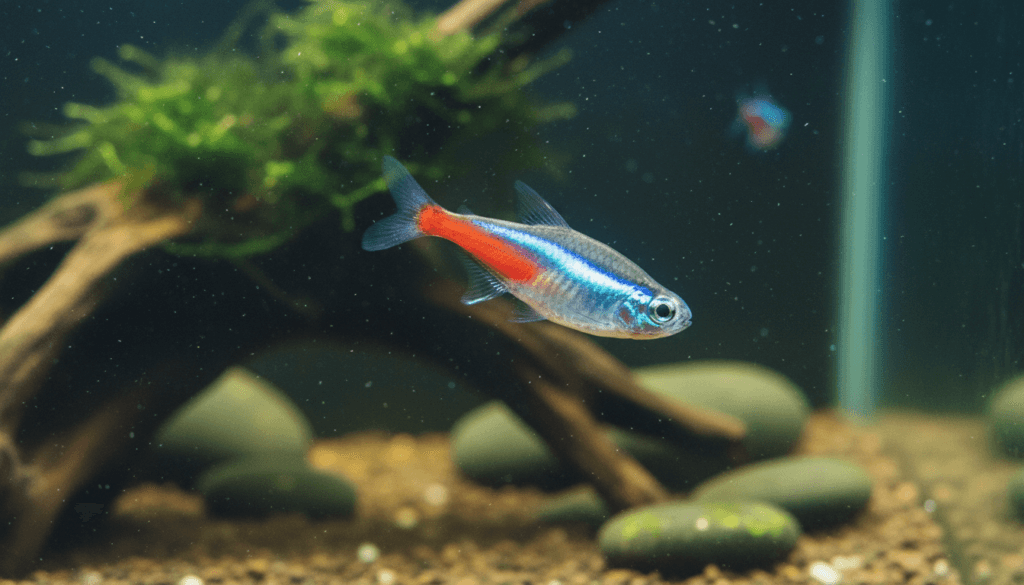
Neon Tetra displays a compact, laterally compressed body about 2.5–4 cm (1–1.5 in) long at adulthood. The key identifiers are a vivid iridescent blue stripe running from the snout to the adipose fin base and a bright red stripe on the posterior half of the body.
Unlike the similar Cardinal Tetra, the Neon Tetra’s red coloration stops short of the caudal peduncle, which helps with accurate identification. Color intensity fluctuates with mood, water quality, and diet; well-fed, stress-free Neon Tetra show the most intense hues. Eyes reflect light, creating the impression that the whole fish sparks in low-angle aquarium illumination. Aging or sick individuals often lose lustre and appear washed out, so color is a practical health indicator.
Habitat
Wild Neon Tetra inhabit slow-moving blackwater and clearwater streams beneath dense rainforest canopy. Natural habitat is shaded, soft, acidic, and tannin-rich—conditions that promote dim light and a leaf-littered substrate. Replicating these features in the aquarium encourages natural behavior: darting in loose schools, seeking midwater cover, and spawning among fine-leaved plants or leaf litter.
Native range includes the upper Amazon basin; most wild-caught populations come from Brazil, Colombia, and Peru. Captive-bred Neon Tetra have adapted to a wider range of conditions, but they still thrive best when aquarists mimic the subtlety of their native waters—soft, slightly acidic, and low in dissolved minerals.
Сare and maintenance
Water parameters
Temperature: 20–26°C (68–79°F). pH: 5.0–7.0, with 5.5–6.8 optimal for long-term health. General hardness (GH): 0–8°dGH; Neon Tetra prefer softer water. Stability matters more than exact numbers—sudden swings trigger stress and color loss. For breeding, soften water further (0–4°dGH) and lower pH to 5.0–6.0 to improve egg viability.
Tank size
Minimum volume: 40 liters (10 gallons) for a small school (6-8 individuals); preferably 75 liters (20 gallons) or more to allow natural schooling and swimming patterns. Recommended dimensions: length over height—aim for a longer footprint (e.g., 90 cm/36 in length with 30–40 cm/12–16 in height) to provide horizontal swimming space that schooling Neon Tetra favor.
Filtration and water flow
Filter type: gentle canister or sponge filter works best; hang-on-back with adjustable output is acceptable if flow is diffused. Preferred flow intensity: low to moderate—Neon Tetra avoid strong currents. Position filter outflow toward the surface and use deflectors or outlet spraybars to break up direct streams that stress the school.
Substrate and decor
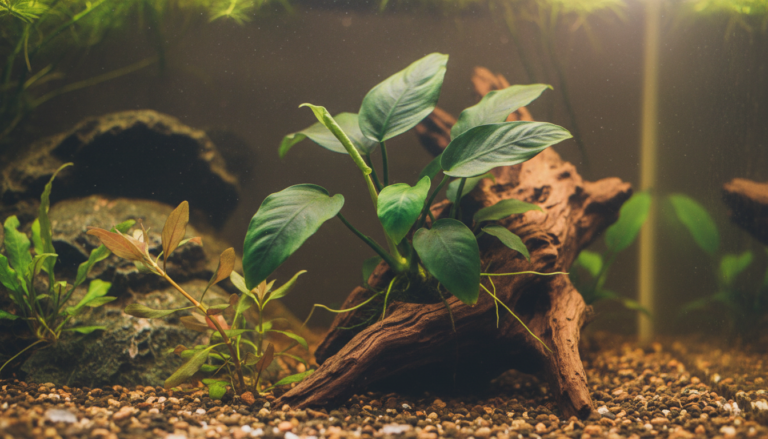
Substrate: dark sand or fine-grain gravel amplifies colors and reduces stress. Driftwood and smooth rocks help release tannins and create natural shelter. Dense plantings of stem plants, Cryptocoryne, and floating cover provide shaded zones; Java moss and leaf litter offer spawning sites and microfauna for fry. Use Indian almond leaves or oak leaves to simulate wild leaf litter for tannin release and mild acidification.
Lighting
Intensity: low to moderate lighting promotes natural color contrast—avoid intense direct lighting that causes skittish behavior. Duration: 6–8 hours daily, with gradual ramp-up/ramp-down if using programmable fixtures. Shade: floating plants or overhung driftwood create necessary shaded pockets; Neon Tetra often school beneath soft cover.
Water changes
Frequency: weekly to biweekly. Percentage: 20–30% per change for stable aquariums; increase to 30–50% when correcting water chemistry or recovering from poor parameters. Use dechlorinated, temperature-matched water. If tap water is hard, pre-treat with reverse osmosis (RO) mixed with trace salts to match target softness.
Lid or cover
Neon Tetra can jump when startled, especially from bright light or aggressive tankmates. A tight-fitting lid with small ventilation gaps is recommended to prevent escapes and reduce surface splashing that causes stress.
Social behavior and group size
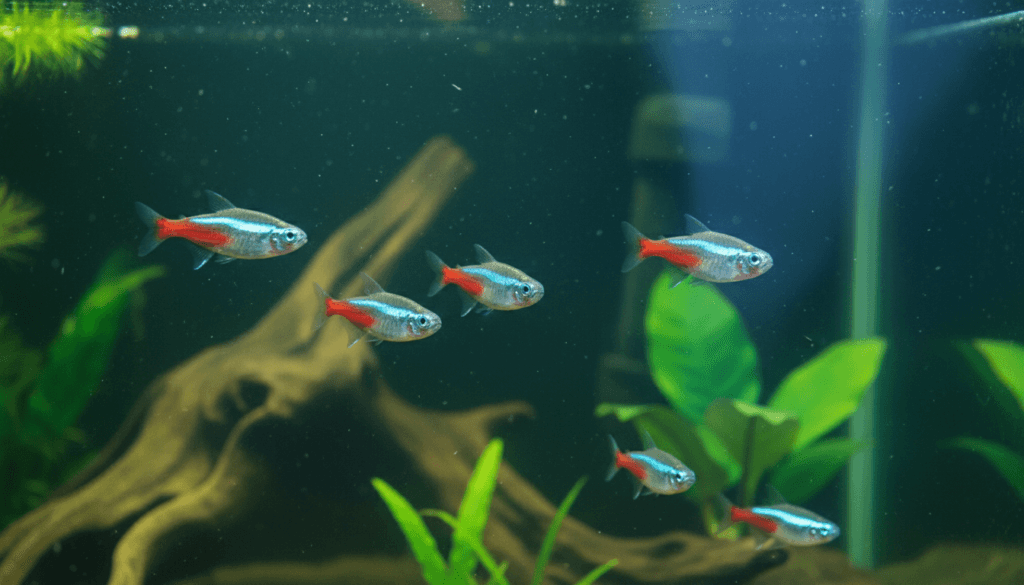
Minimum group size: 6 individuals to see natural schooling; 10–20 is preferable for confident, synchronous behavior. Social structure: true shoalers—safety in numbers reduces stress and shows natural hierarchy without territoriality. Keeping too few leads to skittish, faded fish; larger schools exhibit the characteristic ribbon-like movement.
Additional behavioral care tips
Provide midwater shelter and open swimming lanes. Introduce Neon Tetra after the tank’s biological filter is established to reduce stress. Avoid pairing them with fast, aggressive feeders that steal food—slow, targeted feeding sessions keep all school members healthy. Watch for personality shifts: an individual that isolates, has a curved spine, or eats less could indicate Neon Tetra Disease or other serious issues; quarantine and testing are prudent steps.
Compatibility
Neon Tetra prefers peacefully run tanks and thrives with small, non-aggressive companions. Suitable tankmates include small rasboras, pygmy corydoras, Otocinclus catfish, and other peaceful characins. Amano shrimp and small peaceful snails can coexist when the environment is planted and calm. Avoid large or nippy species—barbs, larger cichlids, and boisterous tetras tend to bully or outcompete Neon Tetra.
For nano aquarium setups, choose species whose adult size and temperament align; overcrowding invites stress and disease transfer. Compatibility also hinges on matching water chemistry: fish from different pH or hardness preferences fare poorly despite peaceful behavior. Emphasize similar requirements over aesthetic pairings.
Feeding the Neon Tetra
Neon Tetra are opportunistic micro-predators who do best on a varied diet. In the aquarium, a mix of high-quality micro flakes, small pellets, and frozen/live foods keeps color and vitality at peak. Feed a combination such as a finely crushed flake or micro pellet plus live/frozen daphnia, brine shrimp, or microworms two times a day in amounts consumed within two minutes. Occasional feedings of spirulina flakes or plant-based micro foods enhance fluorescence. For juveniles and breeding adults, increase protein-rich live foods to promote development and spawning readiness. Avoid overfeeding—leftover food decays quickly and raises nitrate levels that harm Neon Tetra. A one-day-per-week small fast can help reduce digestive issues and encourage natural foraging behavior.
Reproduction
Breeding Neon Tetra is rewarding but sensitive, because eggs and fry demand specific conditions. To induce spawning, set up a separate breeding tank with soft, acidic water (pH 5.0–6.5), temperature around 25–27°C (77–80°F), and subdued lighting with dense fine-leaved plants or Java moss. Use peat-filtered or lightly tinted blackwater to mimic rainy-season conditions and slightly lower hardness (0–4°dGH). Condition a group with high-protein live foods over two weeks—live baby brine shrimp and microworms encourage readiness.
Spawning behavior includes courtship within the school, with pairs separating briefly to scatter adhesive eggs among plants or leaf litter. Adults will eat eggs, so remove breeders after spawning or set up an escape grid. Eggs hatch in 24–36 hours depending on temperature; fry require infusoria or liquid fry foods for the first 7–10 days before moving to newly hatched brine shrimp and powdered fry foods. Keep water very clean but avoid sudden parameter changes—tiny Neon Tetra fry are extremely sensitive to nitrates and require frequent small water changes with softened water. Color and the characteristic stripe develop slowly; expect bright neon coloration to appear several weeks after hatching. Patience and stable, tannin-rich water are the keys to successful rearing.
Unusual facts and practical tips to increase success: Neon Tetra Disease (caused by a microsporidian) often spreads in older or stressed populations—look for color loss, cysts, or corkscrew spines and remove affected fish immediately. Cardinal Tetra and Neon Tetra share similar care but differ in red stripe extension—choose species based on tank depth and desired color effect. Using Indian almond leaves releases tannins that both calm coloration and provide mild antimicrobial benefits. Pairing Neon Tetra with bottom-dwellers that prefer soft water and gentle flow creates a well-balanced micro-community. Finally, maintain a light-dark rhythm close to nature; abrupt light can cause schooling panic and jumping incidents.
Keeping Neon Tetra is a blend of art and technique—attention to soft, stable water chemistry, plenty of midwater cover, a peaceful community, and a varied diet lets these tiny luminous fish thrive. With a bit of planning and patience, Neon Tetra turn an ordinary tank into a living strip of neon motion that draws the eye and calms the room.