Goldfish Care: Secrets for Healthy, Happy Fish
General information
Discovering how to keep Goldfish healthy starts with understanding that these popular companions are far more than “easy” starter fish. Goldfish are hardy, long-lived cyprinids that can reach surprising sizes and show remarkable personalities. If you plan an aquarium with Goldfish, expect steady growth, a need for strong filtration, and regular hands-on maintenance. Many aquarists underestimate lifespan and space requirements: some varieties can live 10–20 years or longer with proper care, and certain fancy types need specialized conditions different from common, streamlined forms.
Unusual fact: Goldfish have been selectively bred for centuries, creating a dizzying variety of body shapes, fin configurations, and colors. Some types are better suited to ponds than small tanks, and a mismatch between variety and environment is a common cause of poor health. Understanding the biological needs behind the flashy looks makes daily care feel more like skilled stewardship than guesswork.
Appearance
Goldfish appearance varies more than with almost any other aquarium fish. Wild-type ancestors resemble sleek carp with muted bronze tones, while domesticated Goldfish range from streamlined commons to balloon-bodied fantails and frilly-velvet orandas with oversized head growths. Body types include common, comet, fantail, ryukin, lionhead, ranchu, moor, and butterfly. Each morphology carries different implications for swimming ability, buoyancy, and social behavior.
Colors span metallic golds, reds, whites, blacks, calico blends, and iridescent shades. Scales can be metallic or nacreous (pearl-like), with some individuals showing transparent areas or matte patches that change over time. Eye shapes differ too—some fancy breeds have protruding “telescope” eyes that require a cautious environment free of sharp decor.
Habitat
In nature, Goldfish ancestors inhabited shallow, slow-flowing waters with abundant vegetation, seasonal temperature swings, and muddy substrates. Modern aquarium and pond setups should emulate the essentials: stable water quality, oxygen-rich conditions, and space to swim. Temperature fluctuations within Goldfish tolerance are possible, but sudden swings cause stress and immune suppression.
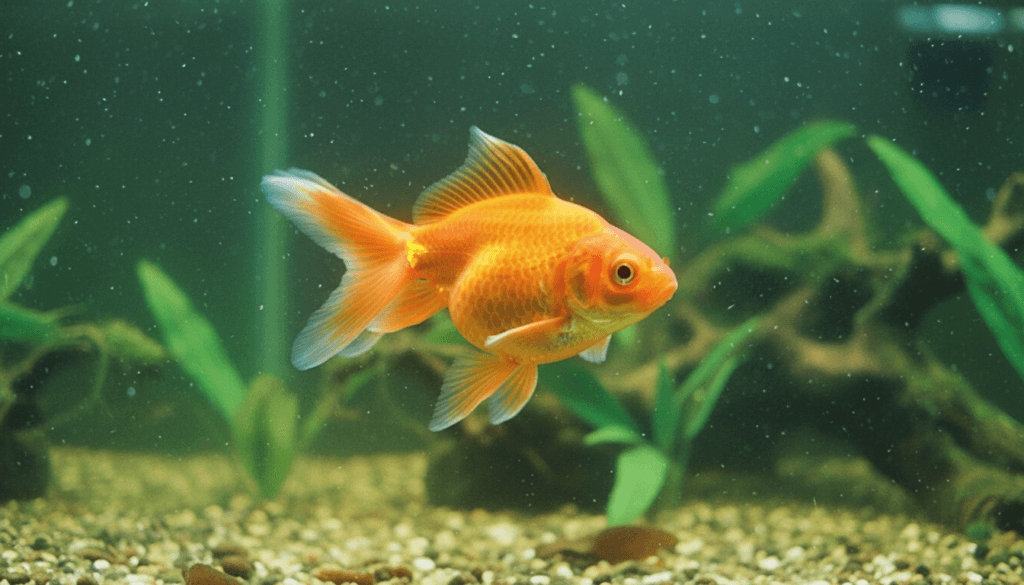
Many Goldfish do well in outdoor ponds where seasonal variation and larger volumes help dilute pollutants. Indoors, choose a tank that provides ample horizontal swimming space and avoids tall, narrow dimensions that suit vertical species but constrain Goldfish. Heavily planted areas provide grazing opportunities, but expect some plant loss because Goldfish nibble and root around substrate.
Сare and maintenance
Water parameters
Keep water temperature between 18–24°C (64–75°F) for most Goldfish varieties; some fancy breeds prefer the cooler half of that range because of delicate swim bladders. Maintain pH roughly 7.0–8.0; stability is more important than hitting an exact number. General hardness (GH) should sit around 5–19 dGH—moderate hardness helps mineral balance and reduces stress. Monitor ammonia and nitrite at 0 ppm and nitrate under 40 ppm for routine systems; lower nitrates are preferable if possible. Use a reliable test kit and track trends rather than one-off readings.
Tank size
Minimum volume depends on the Goldfish type: commons and comets are active swimmers and need large aquaria. For a single common or comet, set a minimum of 100 liters (26 gallons), but 200 liters (53 gallons) is safer if growth is anticipated. Fancy Goldfish with compact bodies can be kept in smaller footprints per fish, yet still require at least 75 liters (20 gallons) each due to waste production and the need for stable water chemistry. Prioritize length over height—long tanks allow natural swimming patterns. Aim for dimensions that give a length at least twice the tank height, with a long front-to-back swim area for movement.
Filtration and water flow
Goldfish are messy eaters and produce abundant waste, so filtration must be robust. Use a canister or large hang-on-back filter rated for at least 4× the tank volume per hour; combining mechanical, biological, and chemical media improves stability. Surface agitation and oxygenation are important: a sponge prefilter or gentle powerhead can provide aeration without creating excessive flow. Fancy Goldfish often prefer gentler currents, while commons can handle stronger flow. Avoid turbulent jets that stress delicate-bodied varieties.
Substrate and decor
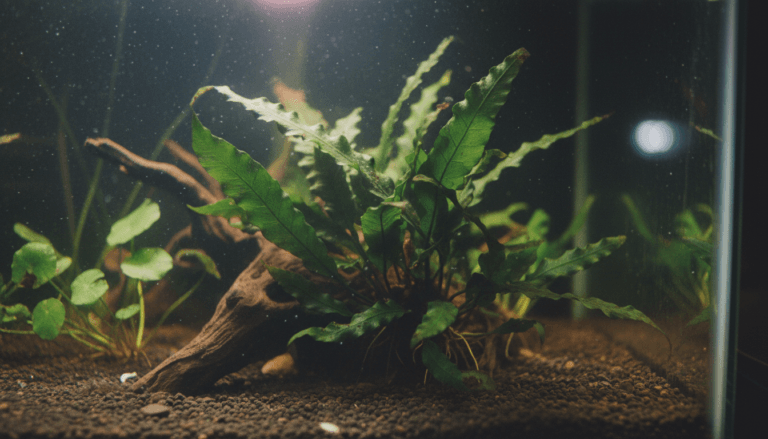
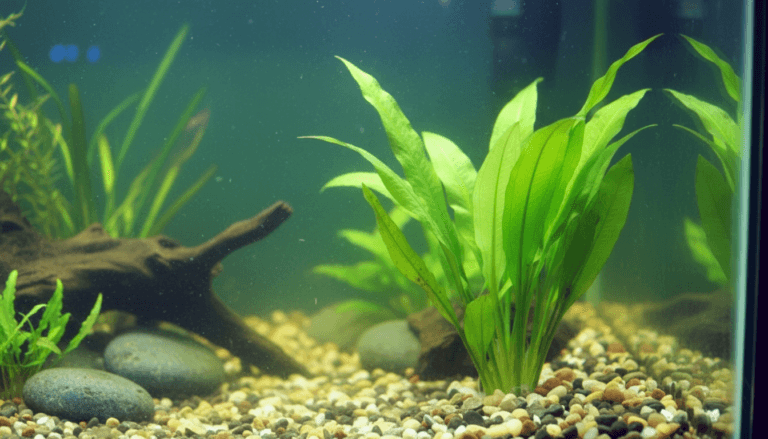
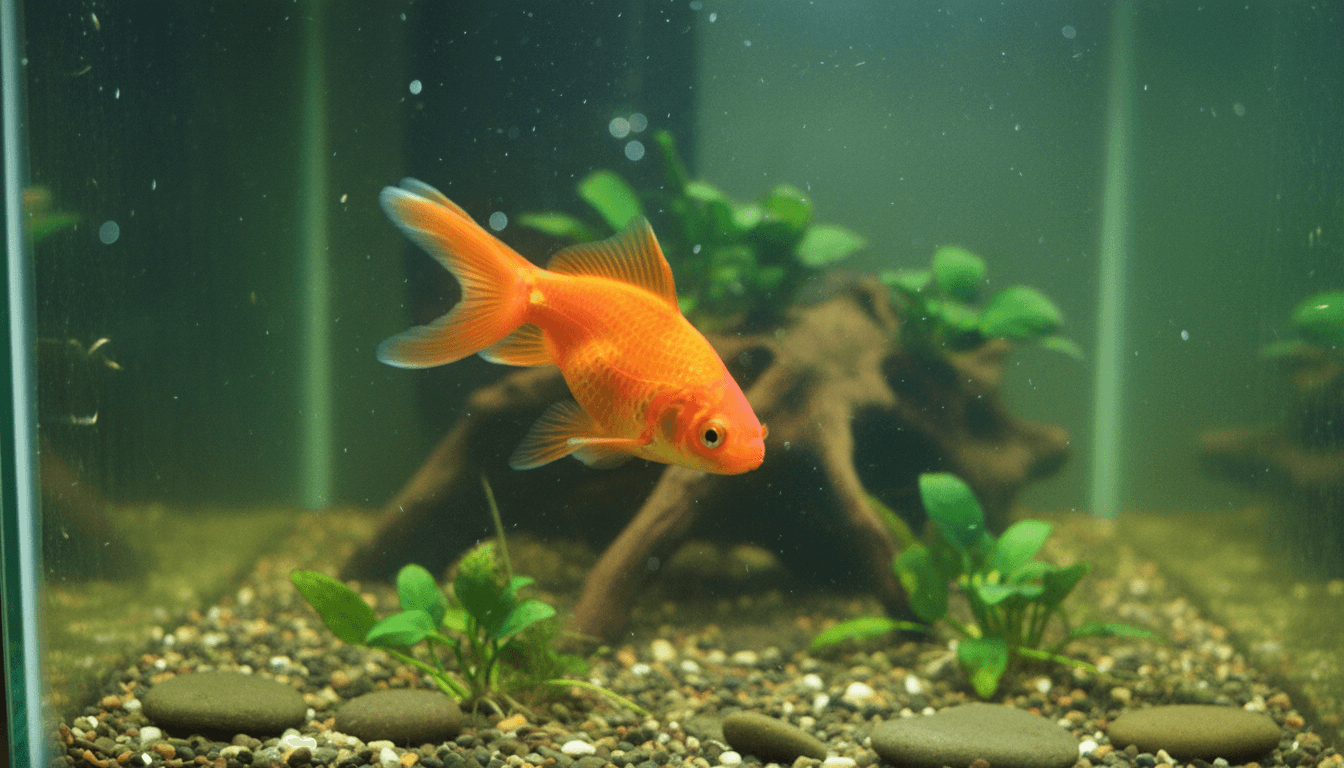
Choose smooth sand or rounded gravel to protect barbels and delicate fins. Avoid sharp-edged rocks and aggressive driftwood that could tear fins or injure protruding eyes. Add robust plants (Anubias, Java fern, Vallisneria) anchored to heavy objects or grown in pots to withstand nudging and nibbling. Incorporate driftwood and smooth river stones to mimic natural structure, and include leaf litter or Indian almond leaves in moderation to introduce tannins and microhabitats—this can help mimic seasonal pools and support beneficial biofilm. Ensure decor leaves ample open swimming lanes.
Lighting
Moderate lighting works best: 1.0–2.0 watts per gallon equivalent for LED setups, emphasizing full-spectrum daylight. Duration of 8–10 hours daily maintains plant health without overstimulating algae blooms. Provide shaded areas or taller plants so Goldfish can seek lower-light refuges; fancy varieties with fragile eyes or head growths benefit from softer light. Nighttime darkness supports normal circadian rhythms and reduces stress.
Water changes
Frequent, scheduled water changes are essential—aim for 25–40% weekly in established tanks. For heavily stocked or smaller systems, perform 30–50% twice weekly until biological filtration matures. Use dechlorinated water at matching temperature and pH to avoid shocks. Vacuum substrate lightly to remove detritus without disturbing beneficial bacteria living on surfaces and in filter media.
Social behavior and group size
Goldfish are social but not strict schoolers like tetras. A minimum group size of two to three is recommended to reduce stress and encourage natural behaviors. Monitor hierarchy and avoid overcrowding; territorial aggression is rare but may occur when space or resources are limited. Pairing one larger, more dominant fish with smaller companions can lead to bullying. Keep similar-sized individuals together to prevent accidental nipping during feeding.
Additional behavioral care tips
Goldfish are curious and benefit from environmental enrichment: floating objects, planted zones, and occasional rearrangements stimulate exploration. Rotate food types to mimic varied diets and observe for changes in activity or appetite. Watch for abnormal swimming, flashing, or rubbing—early behavioral shifts often precede visible disease. For fancy breeds with swim bladder issues, feed sinking pellets, soak dry foods briefly before feeding, and provide blanched vegetables to aid digestion.
Compatibility
Choosing tankmates for Goldfish requires attention to temperature, temperament, and size. Avoid tropical species needing warmer water. Best companions are other cool-water, peaceful fish such as certain cyprinids adapted to similar conditions. Shrimp and delicate snails are usually poor matches because Goldfish will view them as snacks. Avoid cichlids, aggressive barbs, and fin-nippers; even large Goldfish with flowing fins can be targeted by rough species. Match activity levels and feeding strategies: fast-eating species can outcompete Goldfish at meal time, causing stress and malnutrition.
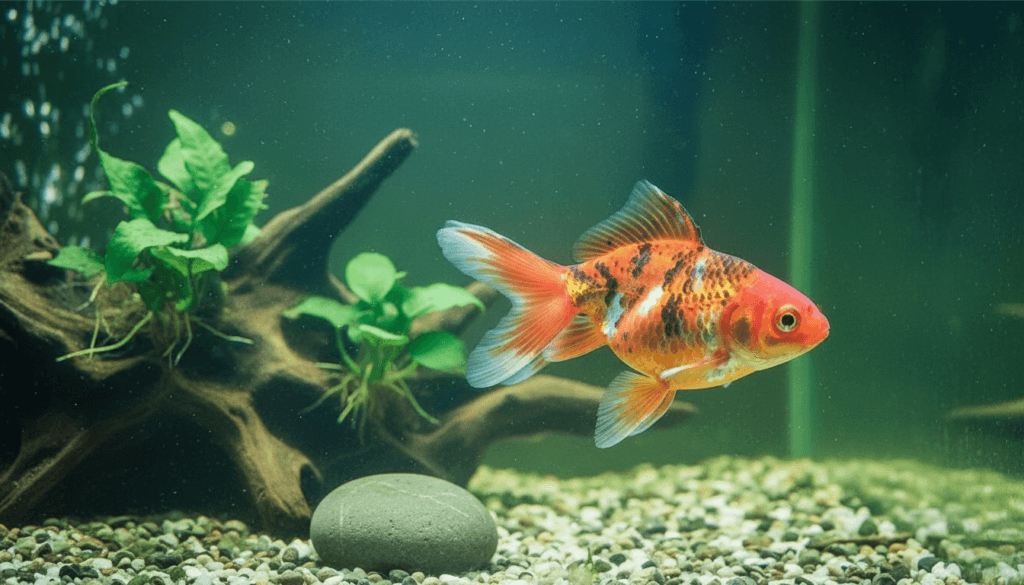
When housing mixed varieties of Goldfish together, group by body type and swimming ability. Pairing a fast comet with a slow-bodied fantail often leads to unequal food access and chronic stress for the slower fish. Also consider eyesight: protruding-eye breeds may need calmer environments free of sharp decor and intense light.
Feeding the Goldfish
Goldfish are omnivores with a hearty appetite. Offer a balanced diet that includes high-quality pellets formulated for Goldfish, supplemented with fresh vegetables and occasional protein treats. A feeding schedule of 1–2 times daily, giving only what is consumed within two minutes, reduces waste and prevents obesity. Rotate foods: sinking pellets, gel foods, blanched peas (skin removed), zucchini, spinach, and occasional live or frozen daphnia or bloodworms. Peas are particularly useful for preventing constipation and buoyancy issues in fancy Goldfish.
Unusual tip: create a “forage day” once a week where small amounts of leafy greens or algae wafers are scattered to encourage natural grazing behavior. Use gut-loaded feeder organisms sparingly and source them carefully to avoid introducing pathogens. Avoid frequent high-protein feeds that can accelerate growth beyond skeletal support, especially in fancy varieties with compact frames.
Watch body condition and behavior rather than strict portion sizes—Goldfish will beg if offered and can be overfed easily. Use slow-sinking pellets to accommodate different mouth morphologies and reduce surface waste. When treating disease with medicated foods, follow precise dosing cycles and return to regular feeding as soon as possible to maintain digestive health.
Reproduction
Goldfish breeding is accessible but benefits from deliberate preparation. Spawning typically occurs in spring when water temperatures rise and daylight increases. To induce breeding, provide slightly cooler conditioning periods followed by a gradual rise to 18–22°C (64–72°F) and increase feeding quality with protein-rich live or frozen foods. Introduce spawning mops, dense fine-leaved plants, or bundles of synthetic yarn for egg deposition—adult Goldfish will scatter eggs among these surfaces.
Separate adults from eggs after spawning if adults show egg-eating behavior. Eggs hatch in 4–7 days depending on temperature, and fry require infusoria or finely crushed commercial fry foods initially, progressing to newly hatched brine shrimp and micro-pellets as they grow. Selective breeding can emphasize color, body shape, or finnage, but be aware of inbreeding risks and the health trade-offs of extreme morphologies.
Ethical breeding note: avoid perpetuating traits that cause chronic health problems, such as extreme head growth or severely compressed bodies leading to breathing and swim bladder issues. Many aquarists choose conservative selections to prioritize vitality and longevity over exaggerated looks.
Final practical checklist: match tank size to expected adult size, maintain robust filtration and regular water changes, diversify diet with plant matter, and monitor behavior daily for early signs of trouble. With thoughtful habitat design and attentive feeding, Goldfish can thrive for decades and provide endlessly entertaining aquarium companionship.