Otocinclus affinis Care: Tiny Algae-Eating Champions
General information
Otocinclus affinis is a small, peaceful catfish prized for efficient algae grazing and gentle community behavior. If a low-maintenance clean-up crew is wanted, Otocinclus affinis fits the bill—provided proper care is offered. Native to slow-moving South American tributaries, these fish are often called “oto” or “dwarf sucker” by hobbyists.
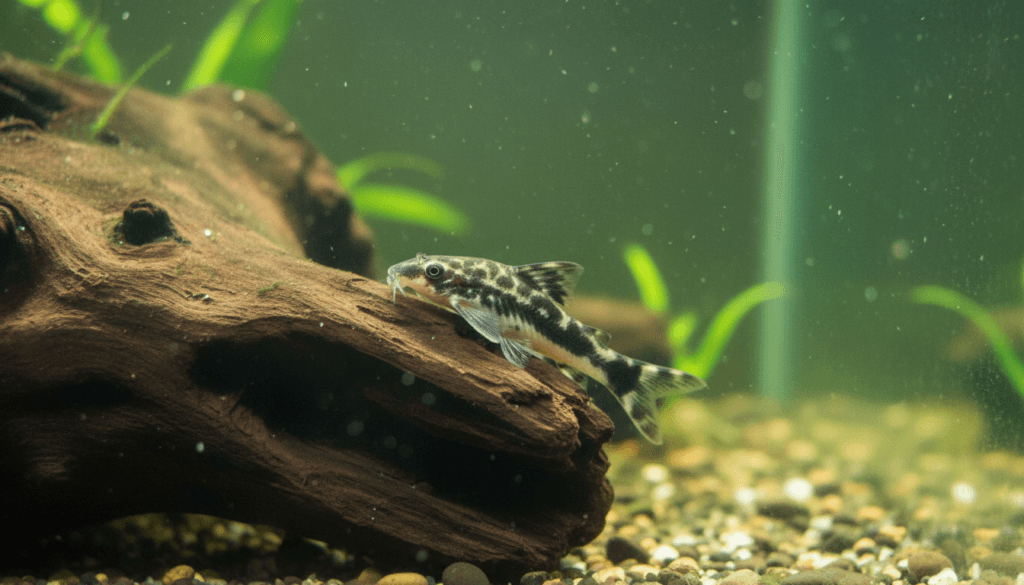
Their appetite for soft biofilm, diatoms, and green algae makes Otocinclus affinis a favorite in planted tanks, but suitability depends on stable water quality, consistent grazing surfaces, and a calm community. Expect a shy, schooling animal that thrives when kept in groups and with predictable routines.
Appearance
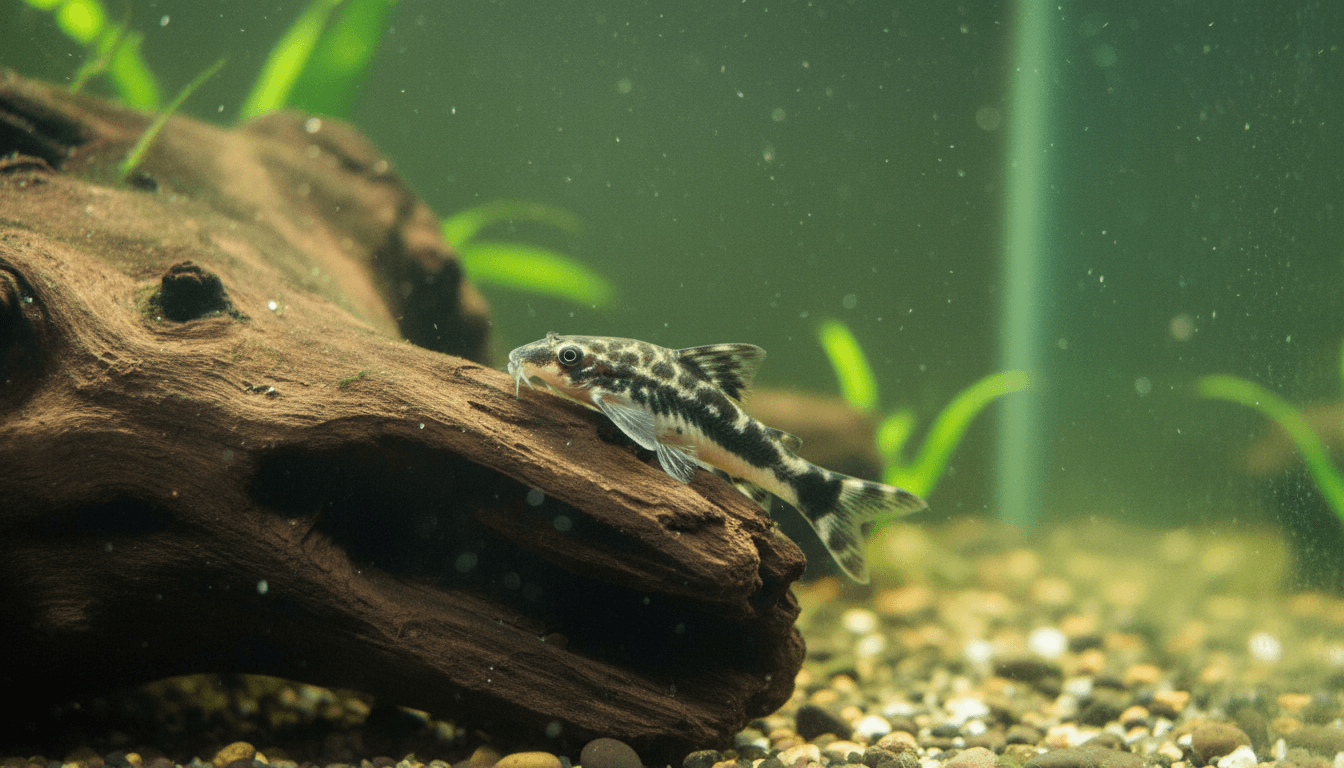
Otocinclus affinis presents as a compact, streamlined sucker-mouth catfish, typically reaching 3–5 cm (1.2–2 in) in adult length. A subtle lateral stripe often runs from snout to caudal peduncle, with a palette ranging from pale beige to olive-brown; individuals may show faint mottling or speckling. The fins are transparent to lightly pigmented, and the ventral sucker is strong and well-developed, allowing Otocinclus affinis to cling to glass, leaves, and driftwood while grazing.
Sexual dimorphism is subtle—females tend to be slightly rounder when viewed from above, especially before spawning. Movement is deliberate and constant when feeding; a trained eye will notice the unique “hover-and-scratch” grazing style as Otocinclus affinis scrapes thin layers of biofilm from surfaces.
Habitat
In the wild, Otocinclus affinis inhabits shallow, slow-flowing rivers and tributaries across parts of South America, favoring areas with plenty of submerged vegetation, fallen leaves, and woody debris. Water is typically clear to lightly stained with tannins, soft to moderately hard, and slightly acidic to neutral. Natural shelters include broad-leaved plants and root tangles where algae and periphyton grow.
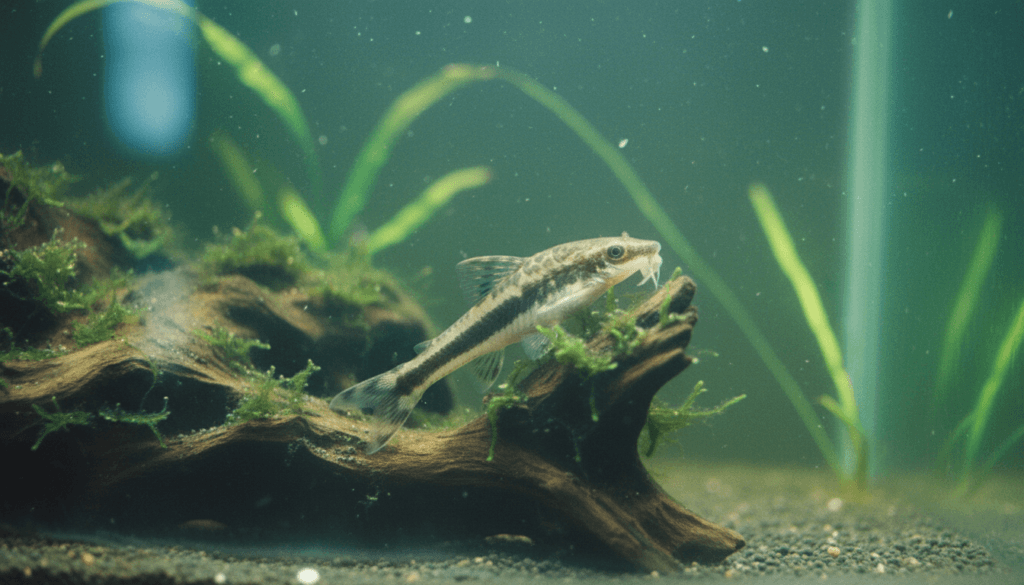
Recreating those conditions helps Otocinclus affinis feel secure: a planted tank with subdued lighting, leaf litter, and driftwood provides both food and refuge. Seasonal fluctuations in the wild influence feeding and spawning cycles, so mimicking gentle seasonal changes in the aquarium can encourage natural behavior.
Сare and maintenance
Water parameters
Temperature: 22–27°C (72–80°F). pH: 6.0–7.5. General hardness (GH): 2–12°dGH (soft to moderately hard). Stable, slightly acidic to neutral water suits Otocinclus affinis best; sudden swings provoke stress and reduce grazing activity. Aim for gradual parameter shifts during any planned adjustments.
Tank size
Minimum volume: 40 liters (10 gallons) for a small school; 80 liters (20 gallons) recommended for larger groups. Recommended dimensions: longer length over height—ideally at least 60 cm (24 in) long with moderate height. Otocinclus affinis prefers horizontal space for grazing along surfaces rather than tall, vertical enclosures.
Filtration and water flow
Filter type: sponge or canister with gentle outflow. Preferred flow intensity: low to moderate; gentle circulation that keeps water oxygenated without strong currents. Sponge filters are excellent because they offer safe microfauna habitat and gentle filtration, while canister filters should have flow diffusers or spray bars to soften water movement for Otocinclus affinis.
Substrate and decor
Fine sand or smooth, small-grain gravel to protect delicate barbels and ventral sucker. Decor: driftwood, smooth rocks, java moss, and broadleaf plants such as anubias and cryptocoryne. Leaf litter (Indian almond or oak leaves) offers tannins, microhabitat, and extra grazing surface. Provide multiple grazing surfaces because Otocinclus affinis travels often and benefits from distributed food sources.
Lighting
Intensity: low to moderate to encourage slow-growing, soft algae types. Duration: 6–8 hours daily, adjusted to balance plant needs and algae control. Shade: provide shaded zones with floating plants or dense midground plants; Otocinclus affinis prefers diffused light and will spend more time grazing where light is subdued.
Water changes
Frequency: weekly to biweekly. Percentage: 20–30% per change. Maintain consistent water changes to keep nitrate levels low and encourage healthy periphyton growth. When introducing new water, match temperature and pH closely to avoid stressing Otocinclus affinis.
Lid or cover
Otocinclus affinis does not have a reputation as a jumper, but small gaps can allow escape during frantic disturbances. A tight-fitting lid is recommended to prevent accidental escapes and reduce stress from surface drafts.
Social behavior and group size
Minimum group size: 6 individuals; optimal: 8–15 for a lively display. Social structure: schooling and non-territorial; Otocinclus affinis finds comfort in numbers and displays coordinated grazing. Isolated individuals become stressed and hide more often.
Additional behavioral care tips
Avoid aggressive tankmates that nip fins or outcompete for grazing surfaces. Offer new food sources slowly to acclimate Otocinclus affinis; they respond well to routine. Monitor for periods of decreased grazing after water changes—this often signals temporary stress rather than illness. Provide smooth transitions when rearranging decor to prevent long-term hiding behavior.
Compatibility
Otocinclus affinis excels in peaceful community tanks. Suitable tankmates include small tetras, rasboras, peaceful dwarf cichlids, and many shrimp species. Avoid large, boisterous, or predatory fish that may stress or consume Otocinclus affinis. Bottom-dwelling loaches with aggressive tendencies should be avoided; likewise, highly territorial species disrupt the calm grazing patterns of Otocinclus affinis.
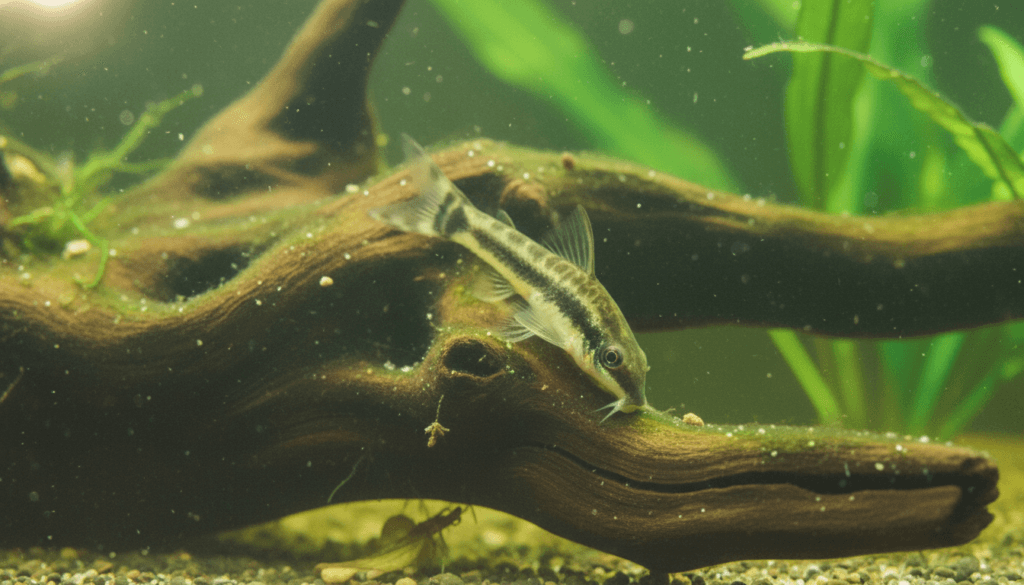
For planted biotopes, pairing Otocinclus affinis with small characins and non-aggressive catfish creates a natural, balanced community where algae control and aesthetics align. Compatibility also depends on shared water parameter preferences—select species that overlap with Otocinclus affinis’ soft, slightly acidic requirements.
Feeding the Otocinclus affinis
Otocinclus affinis is best known for algae grazing, but an exclusively algal diet is often insufficient in aquaria. Provide a base of natural biofilm and algae while supplementing with blanched vegetables, algae wafers, and specially formulated sinking foods. Popular choices include blanched zucchini, cucumber, and spinach (offered sparingly and removed after softening), as well as spirulina-based wafers that dissolve slowly near grazing zones.
Otocinclus affinis will eagerly rasp on soft surfaces and appreciates variety—rotating supplements helps prevent nutritional deficiencies. Monitor individual condition: a rounded belly and active grazing indicate good nutrition, while sunken flanks and lethargy signal the need for dietary adjustment.
Feeding frequency should be daily to every-other-day for supplemental items, while natural grazing continues throughout the day. When introducing tablets or vegetables, anchor the food with a weight or clip so Otocinclus affinis can feed without competing with midwater species. Live biofilms and heterotrophic microorganisms attached to leaves and wood are highly beneficial; adding leaf litter and aging driftwood supports these food webs and enhances the long-term health of Otocinclus affinis.
Reproduction
Breeding Otocinclus affinis in captivity can be challenging but rewarding. Spawning is often triggered by slightly cooler, softer water and increased food availability. Provide flat, vertical surfaces such as broad leaves, smooth stones, or the aquarium glass for egg deposition. Males court females by following and nudging the flank; a female will affix a small cluster of adhesive eggs to the chosen surface. Fry hatch in about 3–7 days depending on temperature and develop by grazing on biofilm and finely powdered foods. To increase breeding success, simulate rainy-season conditions with a series of larger water changes using slightly softer, acidic water and boost live food availability such as infusoria and biofilm-rich leaf litter.
Protect eggs from curious tankmates by offering densely planted refuges or using breeding enclosures within the main tank. Provide abundant microhabitat—moss, java fern, and aged driftwood—to support fry growth. Patience and steady water quality pay off: Otocinclus affinis juveniles grow quickly when their natural grazing web is present, and careful nurturing during the earliest weeks ensures higher survival rates.