Leopoldi Stingray Care: Secrets for Successful Keeping
General information
The Leopoldi Stingray is a striking freshwater ray prized by experienced aquarists for its dramatic appearance and challenging care needs. Native to South American river systems, the Leopoldi Stingray (Potamotrygon leopoldi) earns attention for its large size, distinctive patterning, and unique reproductive strategy. If the Leopoldi Stingray is of interest, expect to plan for a substantial aquarium, tight water quality control, and a diet closer to what a carnivore would eat in the wild.
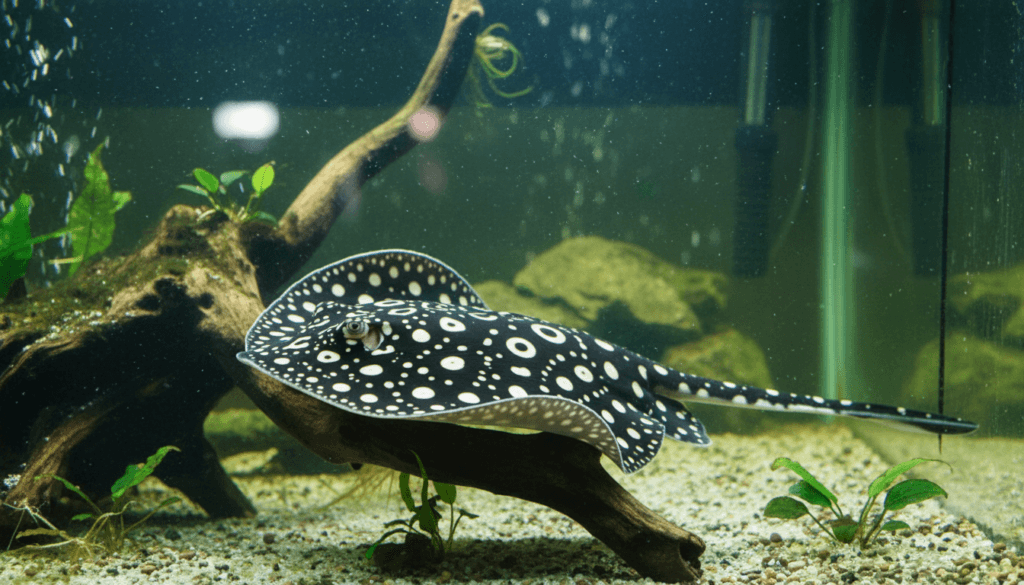
Many aquarists treat the Leopoldi Stingray as a focal species: it changes how an entire tank is set up, from substrate choice to filtration. Keep in mind that this ray is a freshwater member of the Potamotrygonidae family and is different from marine rays in behavior and physiology. You will notice that its requirements emphasize soft, warm water and wide, open swimming areas rather than heavy aquascaping. The Leopoldi Stingray prefers a calm, sandy world with places to rest and dim light, mirroring its riverine origins.
Appearance
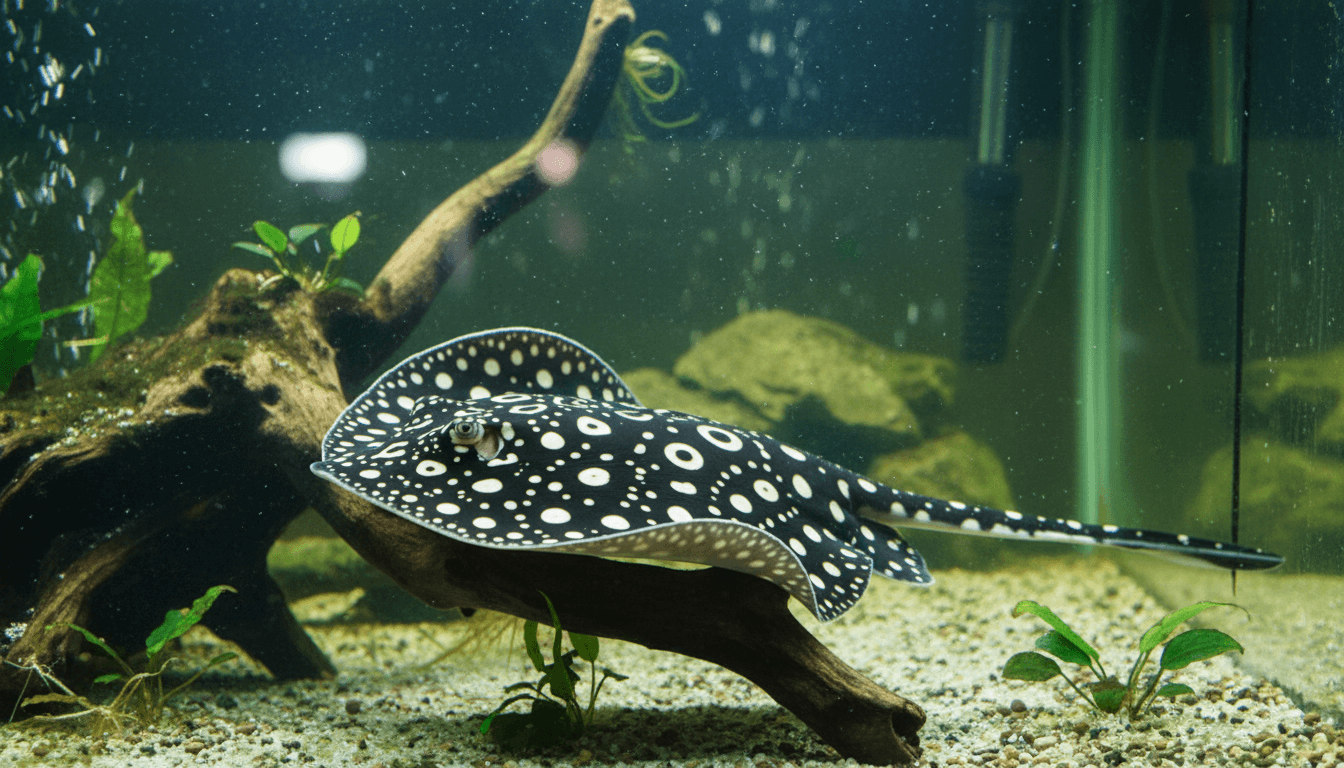
The Leopoldi Stingray is unmistakable: a round, flattened disc with bold polka-dot or rosette markings that contrast sharply against a dark background. Juveniles display tighter, more numerous spots that often change scale and arrangement as the fish matures. Adults can develop a more dominant base color and fewer, larger spots. Eyes sit on the dorsal surface while the mouth, gill slits, and sensory organs hug the ventral side—so most interaction occurs from a top or side view.
Sexual dimorphism is subtle but present. Males develop claspers and can show a slightly narrower disc when mature, while females tend to be broader-bodied. Tail length varies, sometimes sporting a thin whip-like extension past the caudal fin; the tail is not used for propulsion the way a fish tail is, so tail injury can be problematic. When healthy, the Leopoldi Stingray moves with a graceful undulation of its pectoral fins and often rests partially buried in sand, revealing only the eyes and spiracles.
Habitat
In the wild, the Leopoldi Stingray inhabits slow-moving tributaries and floodplain lakes in blackwater and clearwater systems. The natural habitat features soft sand, submerged branches, leaf litter, and a canopy of overhanging vegetation that casts dappled shade. Water chemistry in these rivers often includes warm temperatures, slightly acidic to neutral pH, and low to moderate mineral content—conditions that shape behavior and physiology.
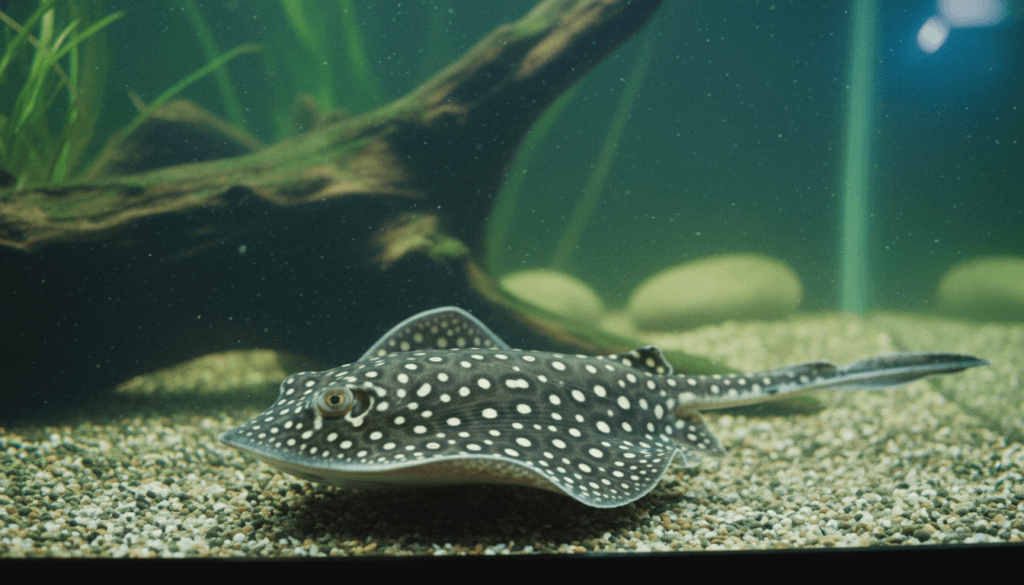
When replicating habitat for the Leopoldi Stingray in an aquarium, aim to mimic long, shallow stretches with smooth substrates and subdued lighting. Currents are typically gentle in the wild, so filtration should move water without creating strong surface flow over the bottom. Adding dried leaves and driftwood creates beneficial tannins and microhabitats; these materials also encourage natural foraging behavior and make the ray feel secure.
Сare and maintenance
Water parameters
Maintain temperature between 26–30°C (79–86°F), pH between 6.5–7.5, and general hardness (GH) around 2–8 dGH. Stability matters more than exact numbers; sudden swings cause stress. Keeping a reliable heater, an accurate thermometer, and a quality test kit will reduce surprises.
Tank size
Provide a minimum volume of 600 liters (about 160 gallons) for an adult Leopoldi Stingray, with recommended dimensions emphasizing length over height—ideally at least 150 cm (5 feet) long and 60 cm (2 feet) deep. Rays need horizontal space to swim and settle; a tall, narrow aquarium will feel cramped and can provoke health problems.
Filtration and water flow
Use canister or sump filtration with mechanical, biological, and chemical stages; aim for turnover rates that keep water crystal clear without generating strong bottom currents. A gentle laminar flow is preferred—avoid powerheads aimed directly at the substrate. A sump adds water volume and makes heating and filtration upgrades easier to manage.
Substrate and decor
Choose fine, inert sand at least 3–5 cm deep so the Leopoldi Stingray can partially bury and orient comfortably. Add driftwood and smooth, rounded rocks to imitate natural structure, and include leaf litter (such as Indian almond leaves) to release tannins and encourage microfauna. Avoid sharp gravel and pointy rock edges that can injure the ray’s soft underside.
Lighting
Provide moderate, diffuse lighting for 6–8 hours daily and include shaded zones or floating plants to break direct light. Strong, bright lighting tends to stress rays and push them to hide more than is healthy; a dappled effect is ideal to simulate riparian canopy cover.
Water changes
Perform weekly water changes of 20–30% to keep nitrate levels low and maintain water quality. More frequent changes are advisable in smaller systems or during heavy feeding. When replacing water, match temperature and pH closely to avoid shock.
Lid or cover
Although the Leopoldi Stingray is not a jumper like some characin species, a tight-fitting lid is necessary to maintain humidity above the sump, prevent fish from nudging equipment, and keep curious hands out. Secure any filtration intake locations and cover gaps to protect the ray’s tail from getting caught.
Social behavior and group size
Keep a minimum group size of 1–3 individuals depending on tank size, with careful attention to social structure; rays can form loose hierarchies and show dominance displays. In smaller tanks, a single ray reduces aggression risk, while a properly sized tank can support a small group if compatibility and individual temperament are monitored.
Additional behavioral care tips
Provide a quiet environment with minimal sudden disturbances; use a softnet when handling and avoid overcrowding the display with aggressive or highly active species. The Leopoldi Stingray benefits from routine and predictable feeding times, and enrichment items like buried food or safe hiding caves encourage natural behaviors.
Compatibility
Choosing tankmates for a Leopoldi Stingray is an exercise in caution. Avoid small schooling fish that fit in the ray’s mouth, as well as boisterous species that nip fins or create excessive disturbance. Preferred companions include large, peaceful characins or robust catfish that occupy different water columns and tolerate the same water chemistry. When mixing species, prioritize size-matched, calm fish that won’t compete aggressively for food.
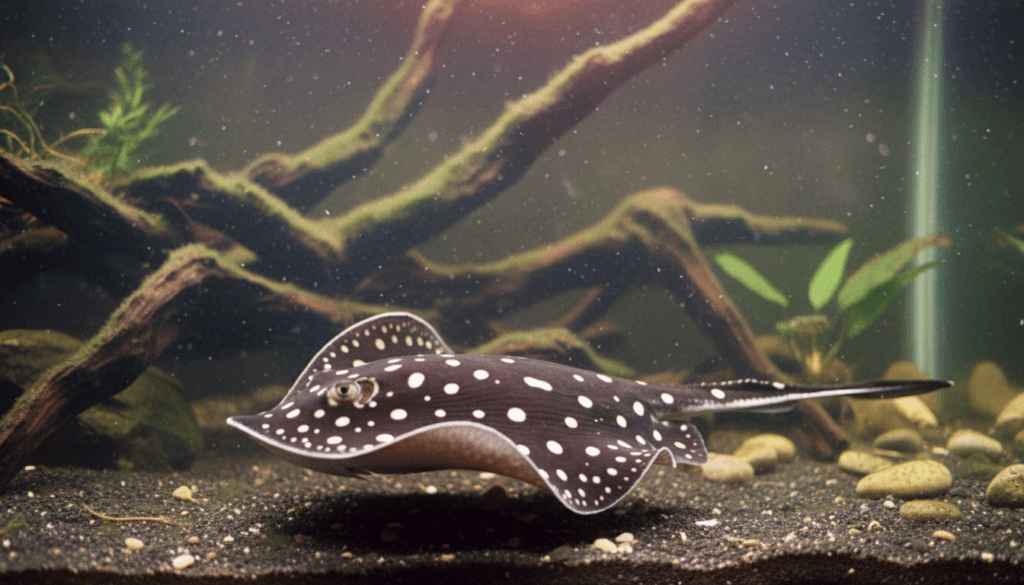
Examples of acceptable tankmates include larger tetras that remain midwater, certain pimelodid catfish, and robust Loricariidae if their mouth size and temperament are suitable. Do not add fish known to harass slow-moving bottom dwellers. Always quarantine new arrivals to prevent parasites entering a ray tank, because the Leopoldi Stingray’s susceptibility to stress makes disease outbreaks more dangerous.
Feeding the Leopoldi Stingray
Feeding is where the Leopoldi Stingray really reveals its personality. This is a carnivorous species that prefers meaty foods like shrimp, earthworms, and small fish. Daily feedings are typical for juveniles; adults can be fed every other day or on a varied schedule that avoids overfeeding and subsequent water-quality issues. Offer food items that sink quickly and are large enough that the ray must manipulate them, not swallow them whole immediately.
Frozen foods such as blackworms, freshwater shrimp, and mussels work well when thawed and lightly dusted with vitamins and calcium. Live foods—feeder shrimp, small fish, and earthworms—stimulate natural hunting behaviors but must be sourced carefully to avoid disease. Supplement meals with a quality marine-derived pellet or gel food a few times per week for balanced nutrients.
Watch feeding behavior to ensure all individuals receive food. The Leopoldi Stingray can be shy at feeding time, especially with active tankmates around; target feeding with a feeding stick or placing food under slightly opaque cover can help. Avoid feeding fatty or oily marine fishes too often; a varied menu that mimics river prey will keep coloration and body condition optimal.
Reproduction
Breeding the Leopoldi Stingray is a long-term commitment. These rays are aplacental viviparous—females carry eggs internally and give birth to fully formed young. Gestation commonly lasts several months, and brood sizes vary from a few pups to over a dozen depending on female size and condition. Because rays invest heavily in each offspring, ensuring excellent nutrition and low stress for breeding pairs is essential.
To encourage reproduction, keep a stable environment with slightly softer water and ample space for courtship. Males show increased activity and may follow females closely during breeding displays; provide escape spaces so females can avoid excessive harassment. When pregnancy is apparent—noticeable abdominal enlargement and reduced appetite—offer high-protein foods, increase water changes, and prepare a quiet birthing area with fine sand and gentle filtration.
Raising pups requires shallow water and very fine sand to prevent respiratory issues. Offer small, varied live foods and finely chopped frozen items to juveniles, starting with baby brine shrimp and progressing to chopped earthworms and small shrimp as they grow. Mortalities are higher in captive-bred litters without rigorous water management; plan for separate rearing tanks and anticipate dedicated care for several months after birth.
Unusual fact: captive-bred Leopoldi Stingray populations can develop subtle pattern differences from wild-caught individuals after multiple generations, a result of selective survival in aquarium environments. If breeding is a long-term goal, keeping meticulous records of parentage, water parameters, and growth rates helps track genetic traits and maintain healthy lines.
Actionable checklist for success with the Leopoldi Stingray: keep water pristine with strong but gentle filtration, use soft sand and shaded zones, feed a varied meaty diet, and allocate a long tank footprint with a minimum of 150 cm in length. Monitor for signs of stress—clamped fins, reduced grazing, or shallow breathing—and treat problems early with water changes and adjustments to diet or tankmates.
Keeping the Leopoldi Stingray is rewarding for aquarists who enjoy hands-on husbandry and long-term planning. With careful setup, consistent maintenance, and attention to behavior, the Leopoldi Stingray can thrive and become a captivating centerpiece that teaches patience and precision in freshwater aquaria.